Human Resources November 5, 2026
3 in 4 Workers Are ‘Keeping Receipts’ at Work—We’re Not Talking About Financial Records
For 43% of workers, that documentation has been used to defend themselves.
Human Resources November 5, 2026
For 43% of workers, that documentation has been used to defend themselves.
Technology October 21, 2026
The increasingly routine use of artificial intelligence in the workplace is virtually undeniable, though experts say there's no need to panic about it overtaking jobs—at least not yet.
Technology October 14, 2026
As companies give more autonomy to AI systems, managers say it's unclear who should be held responsible when things go wrong.

Staffing October 2, 2026
Workers report that these experiences can affect their trust, confidence, and willingness to speak up.
Staffing September 17, 2026
The AI-Whelmed Worker Report examines how that pressure is impacting workers’ confidence, learning paths, personal spending, and workplace expectations.
Staffing September 16, 2026
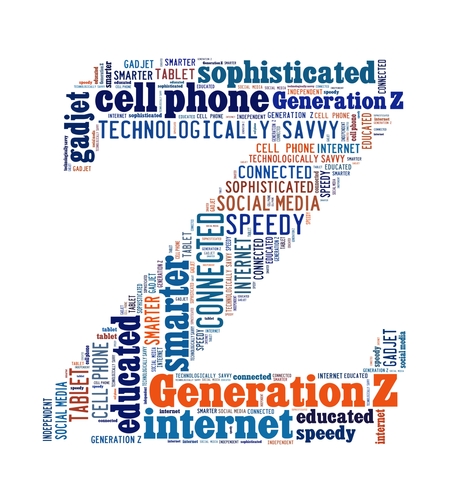
Gen Z is entering a very different labor market than Millennials did nearly two decades ago.

Payroll September 11, 2026
80% of Gen Z have changed their personality to fit workplace culture; 75% say their workplace personality differs from everyday life.
Payroll June 23, 2026
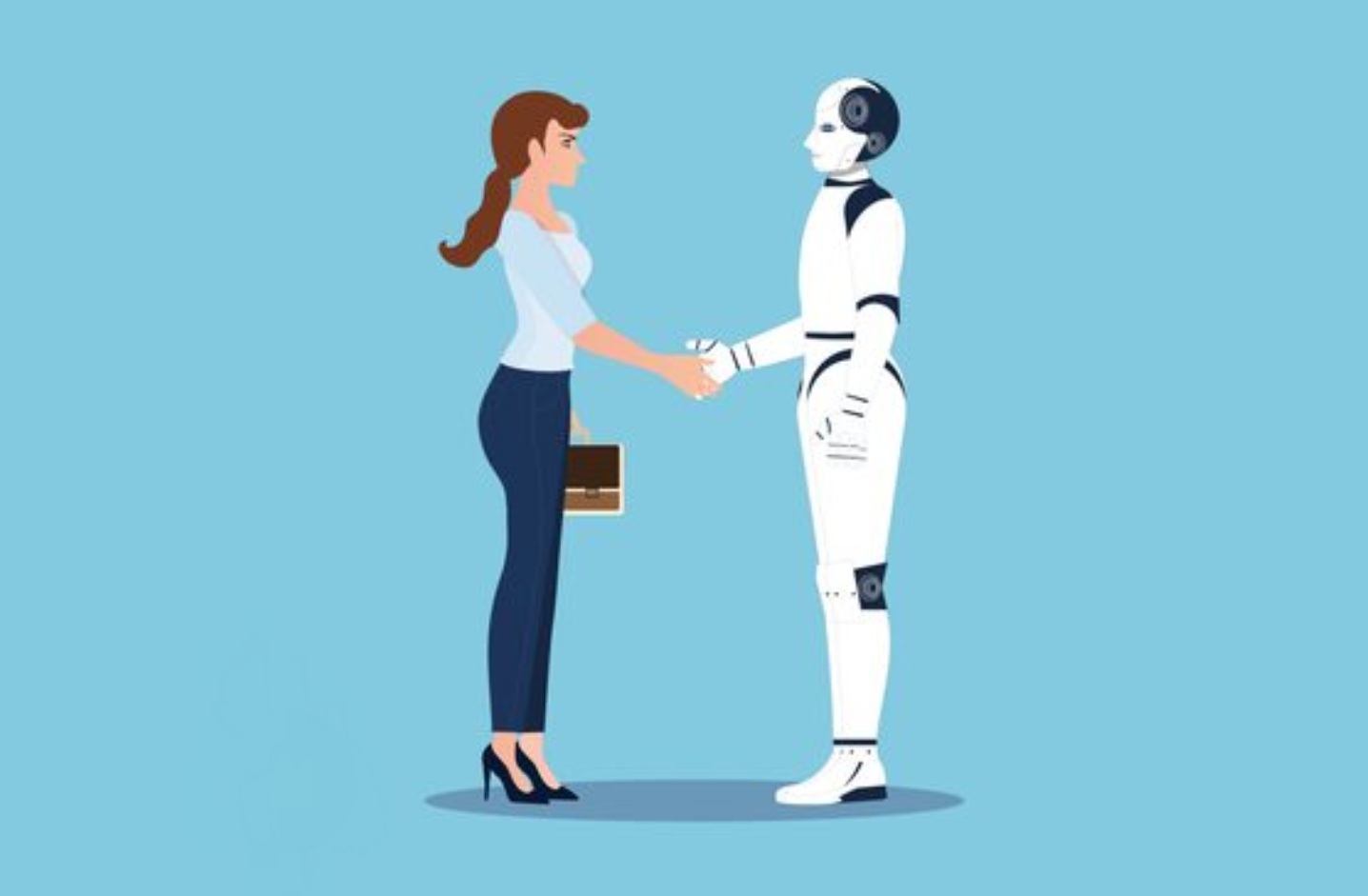
AI was supposed to be the cheaper option. When it's not, the bills are sky high.
Payroll June 2, 2026
Employees with close personal friends at work are the most engaged employees, experiencing the biggest emotional highs as well as the lowest emotional lows, KPMG says.

Payroll June 2, 2026
As businesses reassess the long-term effectiveness of open-plan offices, workplace designers are moving away from blanket open layouts in favor of zoned, flexible environments, an expert says.
Payroll April 30, 2026
"When availability is quietly treated as commitment, unplugging may start to feel like you’re missing out,” leadership expert Fineas Tatar says.

Payroll April 28, 2026
Sleep disruption is the most commonly reported mental health issue among employees, yet employers significantly underestimate it, missing an early warning sign of deeper psychological strain.