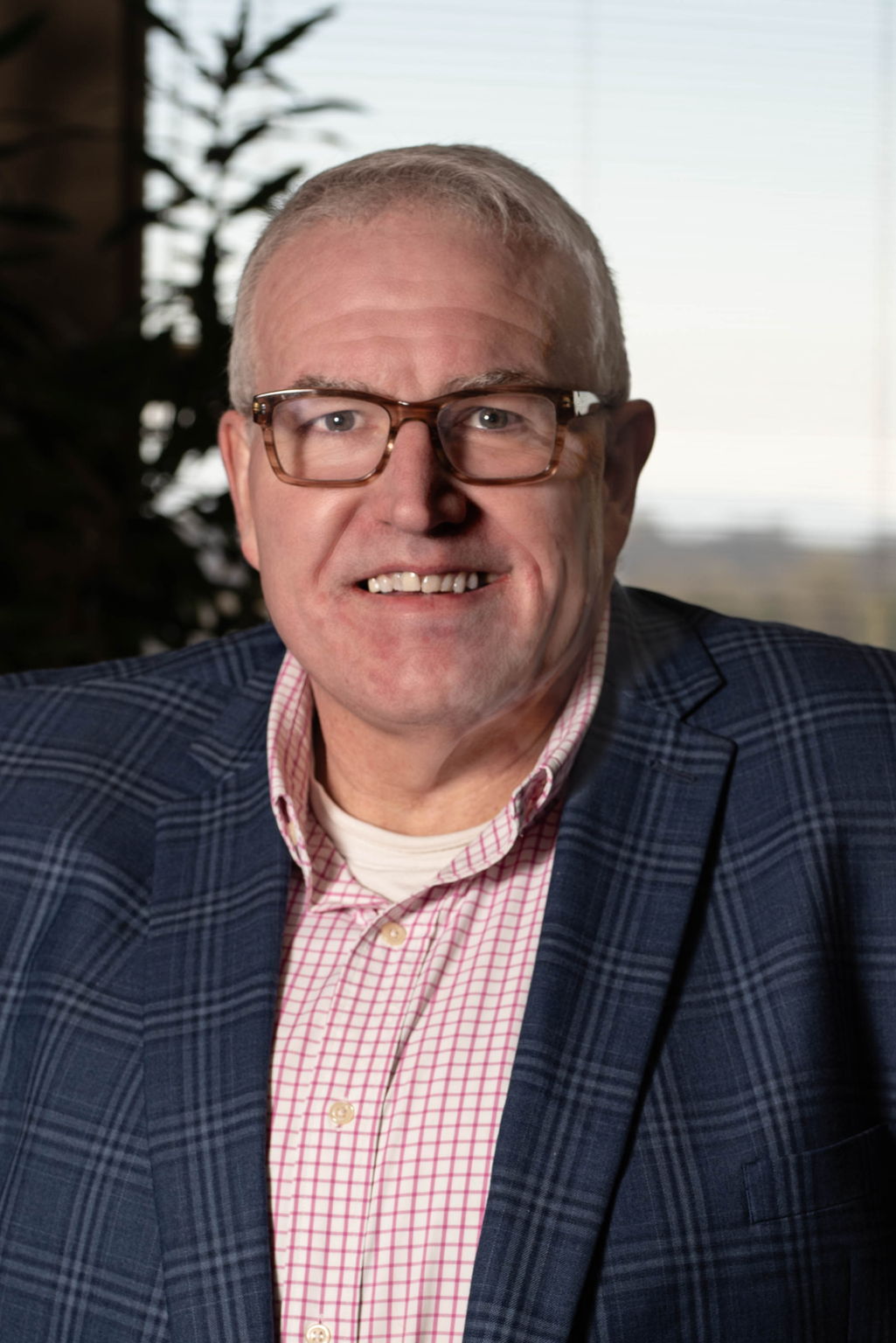
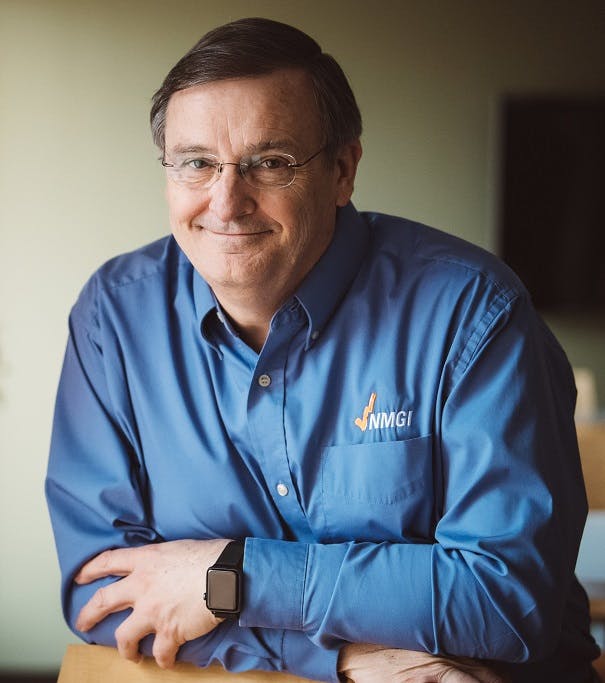




In this episode of The Accounting Technology Lab, hosts Randy Johnston and Brian Tankersley participate in a round table discussion with several executives from Thomson Reuters, while attending the company’s annual Synergy conference in Orlando. The Accounting Tech Lab is an ongoing series that explores the intersection of public accounting and technology.
View the video below:
Transcript (Note: There may be typos due to automated transcription errors.)
Brian F. Tankersley, CPA.CITP, CGMA 00:00
Welcome to the accounting Technology Lab. Brought to you by CPA practice advisor with your host, Randy Johnston and Brian Tankersley,
Randy Johnston 00:09
welcome to the accounting Technology Lab. I’m Randy Johnston with co host Brian Tankersley. What a pleasure to be coming to you from Orlando at Thomson Reuters Synergy Conference. And we’ve got a lot of the big dogs from Thompson Reuters with us. So I’d actually like quite a fact. Yeah, as a matter of fact, we’re outnumbered friends, so you better keep in line today. But you know, bottom line here is, I’d actually like you to meet and be able to hear from many of these individuals. And I’d actually like to start with Elizabeth Bistro, who’s currently present and have her give a little bit of her insight on what she’s been learning from her attendees and from her team. And actually your opening keynote presentation and the interviews that you did were quite fascinating, so I was pleased to be upfront and able to see it, even though Murph kind of got you a little bit, but you recovered well, so you kept them in the room. So Elizabeth, what would you like our viewers and listeners to know?
Elizabeth Beastrom 01:11
You know, I have to start by saying, thanks for joining us. I’m glad that you could join us this year we had the honor of having Brian join us. So glad you came along for the ride this year. Please, Dean, thanks for being here.
Randy Johnston 01:21
Yeah, I’ve been to so many in the past. It was a pleasure to be here, but, you know, I wasn’t sure when it was going to be scheduled, if it would be available. I was invited to a wedding in New Delhi. Passed on New Delhi.
Elizabeth Beastrom 01:34
We’re honored. We’re honored that you’re here. You know, this is my fifth synergy, and the momentum continues to build every year. And you know that the biggest feeling that I want the audience to have, our customers to have, as well as the staff and team members here is Thomson. Reuters is here for you, and we’re listening. And I think that we’ve showed a continual build from you know, if you go five years ago and where we were on our product journey, AI entered the picture. I think there was uncertainty as to how it would be responded to within the tax and accounting industry, and I can tell you that that’s where I was wrong. My initial thought is, I’m not sure our customers are ready for this, and they couldn’t have been more wrong, because with the talent shortage, they were actually the perfect group for this, because helping them solve problems, we can’t hire the people, so let’s automate. So it’s been a build on that, and I’m really proud of the innovation and what we’re showcasing this year, we are launching five, six. I mean, this is launch launch. And when I was reading off the list of what we were launching. I’m like, this is pretty darn cool, and it is in direct response to what our customers have been saying they need and want. Yeah, I was
Randy Johnston 02:50
interested yesterday when you basically said, Look, these are launching today, or last year, we talked about them, right? And that’s actually pretty impressive how far you’ve come. And also, you know, the innovation that you’re currently doing across the whole team is very bloody impressive, right? And so as we’ve watched, you know, Thomson Reuters go through these cycles, it’s, it’s very impressive. Obviously, we’re going to get to Kevin and others here in the on the as guests today. But some of the products that you’ve acquired, which have become real products, are very stunning.
Elizabeth Beastrom 03:26
They are and, you know, I think that the product acquisitions that we’ve had are all foundational for the journey that we’re on, where I think people can look at it and say, Okay, you acquired, sure, prep, you acquired, safe, send, you acquired material. Now you’ve additive. Here’s a bunch of great point solutions that you have, and so much more for that. All of these are absolutely foundational for ready to review, ready to advise, co counsel and customers are getting that. They’re really understanding that and seeing what that integrated end to end workflow
Randy Johnston 03:57
looks like. Yes, matter of fact, Brian and I’ve talked about that for some time, where we view things as Indian tax workflow. I often describe here’s how it goes from business development to engagement letter, all the way out to, you know, 8879 if it’s personal, paid for, I mean, all the way through the whole process. And I, I suspect, ready to review, will evolve to even more of that over time. That’s what I’m envisioning, if I’m reading the tea leaves, right? Absolutely. And so I’m so excited. And you’re right. The tax preparers get that. I think you’ve got the same formula coming in audit the way I read those tea leaves, right? And again, I’m not a future prognosticator. I just kind of watch and say, Well, that’s very interesting. I wonder if they had smarter people than I figure that out for sure. So I think you’ve got some additional smart people with you. Do you want to introduce the rest of your team?
Elizabeth Beastrom 04:51
I would love to introduce so directly to my left, Karel sakhan. She leads our engineering for our tax and accounting. Professionals business. In addition to that, we have a very special accelerator program, so really putting additional focus and emphasis from a product go to market standpoint, and marketing for sure, prep and safe send and so she is like our mini GM for that business. So she’s wearing dual hats. So she’s been with TR for 20 years. So this, this under the table, is the more long, long tooth side of TR, and this is the more junior, newer to TR side.
Randy Johnston 05:30
So Well, that’s good to know. In fact, I had breakfast with both Steve and Brian Wilson this morning, so we actually both did, which was fun, but it’s nice to have somebody that’s a heavy lifter. So I always appreciate the engineering side of stuff, because when it works, it’s invisible. Yes, when it doesn’t, it’s reviving this So, and that’s good. So you’ve been with Thompson Reuters, 25 years, 25 years. And where are you based on Minneapolis. All right, very cool. So I’m sorry we had not met until today, because usually I make it my job to know really smart people and get to know them better. So what should we know about tax?
Speaker 1 06:13
So I think to listen point like we’re at a point where technology is moving at such a fast pace, we have an opportunity now to solve the critical pain points for our customers and actually address things like the talent shortage, address things like that compressed cycle of time, right busy season. Our customers are under so much pressure during that that period of time, we have an opportunity to automate a way many of them are mundane tasks so they can focus on higher value work, and we are doing that with the launch of ready to review, ready to advise, the audit, Intelligence Suite, all of those products are doing exactly that. They are saving our customers time so they can focus on the higher value work.
Randy Johnston 06:53
Yeah, and that makes sense, because as we’ve taught professionals about advisory services and kind of trying to drag them into advisory over these last few years. The problem was we just don’t have more time. So if you can get a lot of those things automated on the compliance side, that should give a lot more resources for the advisory work. And that’s why I was very pleased with the you know, ready to advise launch during the summer, because we could see the promise. We can see what’s coming. And there’s, you know, few competitors throughout there, and obviously you have the legacy of practice forward, you know, prior to that. But it’s like, okay, where’s this moving part going to go? And if you can open up enough resources, now, I can go do that higher value work. So that’s why I thought your panel, with the practitioner from Denver yesterday was fascinating, because she left Big Four to basically become an advisory type firm by choice, which was an interesting story to tell as well.
Elizabeth Beastrom 07:56
Yeah, it’s such an impressive advisory story, and Brittany really is so much for TR. She does so much for us. But what’s really helpful is she’s talking about the shift to advisory. It’s a lot more compelling when you hear it directly from one of your peer firms versus, you know, tr, we’re supporting that. We believe in it. But when you hear someone like Brittany say, I went through this journey. This is what worked. This is what didn’t. It’s pretty hard to say that I don’t want to do that. Yeah. And I
Randy Johnston 08:26
thought Brittany’s story about, you know, the culture, recruiting and why I was working for was a very interesting response. So just take that at face value. But also, I see if I can get more of this technology to work, I actually don’t have to use as much, let’s say, outsource labor, which is also another real value, as I see it, you know, better quality results. So we got a lot more tax questions asking too, but I think you’ve got other experts with you here.
Elizabeth Beastrom 08:52
Elizabeth, directly to my right, our Chief Product Officer, David Wong. David’s been here just over five years. Five years Yep, five year anniversary. Great partner to helping us advance where going in the tax and accounting business, and really critical for bringing in some of these key acquisitions, and more specifically, materia and the acquisition that Kevin Merlini came with. So Kevin is just that is one year, just at your one year anniversary with TR came with the materia acquisition. And, you know, really, I would say, is foundational asset acquisition for talent as well as the product. And what we built, co counsel off of it is the product
Randy Johnston 09:38
that makes good sense, though. Kevin, I chatted for 30 minutes last night, or something like that. It was like, one of those, I guess, serendipitous meetings, because it was like, Oh, wait, wait, we can catch up for a few minutes without a lot of people bothering him, which was fun, yeah, the way. And, you know, he called out that with last night, I think we’ve been face to face. Was at the AICPA office during some of the. Celebrated programs and executive summit events that they produce. But So how has your transition here been, and how are you getting along with all of the changes? Because it’s one thing to be an entrepreneur, kind of calling your own shot, and you know, part of what I would call maybe an aircraft carrier compared to a PT boat?
Kevin Marlini 10:22
Yeah, well, you know, I think the first thing is we, we’ve had just incredible amount of support from Elizabeth and David and everyone else and Brian and that we’ve been able to maintain that maneuverability of the PT boat, and that’s enabled us to do an incredible amount in that short period of time, from the assistant to launching these two two or plus new Zero to One products. And I think, you know, what I want people to know is there’s all this uncertainty, like Kira is mentioning, technology is moving so fast, and how do you pick it? How do you pick what you know software you’re going to choose or something. It’s, it’s like, I think, co counsel and the Thompson, you know, the portfolio of all this Thompson Reuters products is, is the bet to make. That’s the best the bet, because we’re taking all these, these, these valuable tools, valuable assets, and kind of bringing them together now. And what I think people maybe don’t realize is they look at something like materia or CO counsel, and it’s like, this is this kind of a research tool or chatbot for for better or worse, but that’s it’s actually now I think people will start to see where this is going. It’s actually a much broader suite of bringing together end to end workflow, tax, tax prep, tools for audit, automation, tools for advisory and the fact that it’s built on the same kind of underlying services is going to enable it’s not just the automation. I think the thing that people haven’t realized is it’s going to enable you to do completely new things that you just physically couldn’t have done before, things that AI is really good at, which is taking in massive amounts of unstructured information and then kind of connecting the dots so you can also not just provide services faster, but at higher quality.
Randy Johnston 12:13
Yeah, it makes great sense. And for our viewers and listeners who may not know what zero to one means brand new exactly, I just wanted to make sure that they come, yeah, because it’s another thing to remodel a house. It’s another thing to build a house from scratch, yeah, and actually get it done right? And that’s what it seemed you had done with material, which was why I was glad to see the acquisition and then the whole co counsel strategy and building the AI out of a lot of your technology that your team had built.
Kevin Marlini 12:43
Well, it’s been very, I mean, we, David and I had had a lot of conversations before the acquisition, and we’ve been working with the Thompson Reuters team for a while before, but the puzzle pieces really fit together very nicely. And kind of, yeah, we, you know, what we wanted to do, and it was, has been enabled. And I think, yeah, vice versa.
Brian F. Tankersley, CPA.CITP, CGMA 13:04
So quick question here, you know, when we look at generative AI, one of the things that it does is it gives you a different answer every stinking time you ask a question. And we’re so into consistency in the accounting profession, how do you thread that needle with CO counsel, so that it’s so that it’s correct, and yet it is, it still has the creativity that that a generative AI tool has. Okay?
Kevin Marlini 13:34
So I think the first thing is, it’s like, how do we adapt our mindsets to think about these tools? Right? It’s not a calculator. If you you know where, if you hit one plus one equals every single time two. But it’s also not doing one plus one equals two. It’s doing taking all this unstructured information and connecting the dots and doing these sorts of things. And I would venture to guess, if you gave whether it’s an associate or a manager or even a partner, for that matter, that same task you you know, wouldn’t be letter for letter consistent.
Brian F. Tankersley, CPA.CITP, CGMA 14:06
Agree, some of some of the best, some of the best tax directors, tax managers I’ve known, have been people that just are wired differently upstairs, and they figure out, you know, they have loopholes named after him for that reason, you know, yeah.
Kevin Marlini 14:20
So I think it’s about figuring out how to use the professional use these tools and understand things that they’re good at and the things that they’re not as good at, and how to work with them.
Randy Johnston 14:30
So David, I was going to ask if you were kind of the matchmaker or kingpin in this discussion.
Speaker 2 14:38
I think of myself quite, quite differently at TR,
14:43
but yes, your tax OG,
Speaker 2 14:48
well, I mean, I do have to say that I was definitely involved in in the decision making, around around, acquiring material, and part of it was. Was just from the conversations that Kevin and I had in those early days, how obvious it was that it was a better together story, that that we could help to accelerate his vision, that he could help us to realize what we want to do for the profession, and that we could do it faster, more effectively, with greater impact together. So this, in many ways, I think, is one of our most successful acquisitions, because the it was, it was a marriage of of vision, and it, it helped both of our teams to execute more effectively. And it actually, I think, ties to the question you’re asking, which is around, well, is generative? AI any good at solving the problems of tax and accounting, and a year ago, and maybe 18 months ago, there was actually a lot of question about that. People were going crazy about generative AI being used for marketing and for legal and for, you know, a whole bunch of other use case. And they’re saying, Ah, well, you know, these, these, these models are not good at math, like, how could they help accountants and and tax providers? And, you know, Microsoft hadn’t really launched anything for Excel yet, and so we’re all kind of wondering what was going to happen. And what we saw from materia was a starting point and evidence that there was a way to solve the problem. And the way that I like to think about it is to boil it down. Is, well, if you have a large language model, which is a smart decision making and interpreting engine, and now with these agentic capabilities, agents that can do things for you, how do you then enable that type of intelligence to do work? Well, you typically need to have some type of knowledge, so you need to give it book smarts, like, tell me about the rules of accounting. Tell me about the rules of law. Okay, tr has that. We’ve got checkpoint. We have that information. Then you also need to teach these systems how to do work, because they don’t know how to do a tax return or how to interpret, you know, a general ledger off the bat. So you have to then give it street smarts. You need to give it knowledge from practitioners. And that’s that sort of training part, right? And then finally, you also then need to give it tools, right? Like I sometimes relay, relate the advancement of AI to like the advancement of human intelligence, right? When monkeys learn how to use tools, they become much, much more capable. When llms were taught how to use tools, how do you software, they became much more capable. And what does TR have? A lot of tools, right? We’ve got the tax calculators. We have the tax engines. So what happens when you marry an AI system with knowledge, experience and tools? That’s that’s a recipe for being able to create some new, new, pretty amazing applications. And that’s the recipe that underlies ready to advise, ready to review,
Randy Johnston 17:43
sounds beautiful, so I guess I’ll change your title to yinte, if that’s it.
Kevin Marlini 17:48
Actually, yeah, one of the spot on that to answer the consistency question, because maybe that was implied there. So when we’re doing tax prep in CO counsel and ready to review, generative AI is not doing one plus one tax calculator is doing one plus one.
Brian F. Tankersley, CPA.CITP, CGMA 18:03
And if you’d set up with a narrow model, or small model with your own content or something to that is
Kevin Marlini 18:10
a good point, because actually it is consistent on when it needs to be consistent, and for the task where consistency matters and where, if you’re getting this kind of like, more unstructured, and
Speaker 2 18:19
that’s where we’ve actually found, which is that if you ask models for certain types of questions, you can actually get quite consistent. If you want to ask a model, read this document, what does it say about you know, it’s a rental property, or is this or is this a primary residence, you can get that answer very consistently, right? It might answer it in a slightly different way. It might use different words, right to be able to respond. But if you, if you design the query, design the prompt so that you’re saying, if it is this, please enter this into this field, for example. And you can get that type of system very consistent right by narrowing the way that you ask those questions of the systems.
Brian F. Tankersley, CPA.CITP, CGMA 18:57
Well, I’ve been in the profession 33 years, and I will say that one of the things that I think the average layperson doesn’t understand is there are black and white things in a county, okay? You know, it either ties to the w2 or it doesn’t, okay. On the other hand, box it goes in, if it’s a k1 how you apportion it? You know, there are things like that that that have some subjectivity. And so I’m glad to see that you’re using that you have that where we have things that have shades of gray, you have things that can consider all those possible Shades of Gray, and can then, can then adapt to
Speaker 2 19:33
it and pull in the user when it’s necessary as well. A lot of it’s identifying when is it that you need to get input where you need to say, hey, I don’t know the answer to this, Kevin, as the user or as the professional, what’s your opinion? Right? Or tell me judgment for the gray comes in. Yeah.
Randy Johnston 19:47
And we were interested to see how ready to advise was actually laying out the different scenarios, because that’s the grace, if you will. And there’s some professional judgment in that. So help me understand how. You came up with the ideas, ideated products like the CO counsel document analysis or the audit intelligence test or the ready to review pieces. Just tell me how that kind of worked to create those did they just poof out of air? Did end users say we need this? Did you spend a late night a bar? I mean, what happened here?
Kevin Marlini 20:26
Document analysis, I can talk about because that one’s actually been a natural evolution, and then we’ll pass it on. So document analysis, which is our new sky, it’s much more flexible than audit testing, but that’s the use case and category of work that it’s most readily applicable to. But that started out actually pre pre Thomson Reuters. We have a product still in CO counsel called workspaces, which is kind of lets you do more structured workflows and a lot of the tasks that we saw firms and users doing were part of audits and different audit program steps, but there’s and then, but then we realized, oh, and we’re getting user feedback. Wouldn’t it be great if you could do this in a much more batch way? Well, wouldn’t it be great if you could add these additional capabilities or add these different things so it was a different interface. So we actually, even earlier this year, had a version of this that we were beta testing and getting feedback on, and then, based on that, now have kind of evolved it to the to the current form.
Randy Johnston 21:31
Okay, that’s appreciated. So how about some of the other platforms?
Speaker 2 21:34
Well, I mean, I, I would say that almost all of our product development starts from the customer, right? That’s where, where it starts from, and and it’s not just asking customers, what do you want? Right? You know, sometimes you get a great answer, but a lot of it is about observing and understanding what our customers are experiencing and the pain that they feel. Right? We always try to answer the question of, what is the customer problem or the customer pain point that we’re trying to solve for, and then asking the question within our product and engineering teams. What could we create? What solution could we create to solve that problem? So, you know, ready to review? No one was saying, I want, you know, an agent that can do a tax return for me. But what they were saying to us is, I spend so much time on tax preparation, I can’t find the people to do it. Our days are really long. And so we asked the question, what are ways to solve that, right? And in the past, the ways to solve that were around more efficiency, better workflow, you know, selected automation within the workflow, right? You know, safe, send, sure, prep, ultra tax, all of those products all help to make the tax preparation process faster, more efficient, etc, generative. Ai just admitted a new type of solution, right? An agent that could do full like to agent that could replicate the work of prepare, right? And that was just a new way to approach the problem, you know, from from identifying the opportunity, then it’s about creating, you know, experiments and seeing, is it possible, right? And that’s what’s been different, I think, in the last couple of years, which is more experimentation.
Randy Johnston 23:06
And I know when I said the alter tech session yesterday, where they were showing and trying to illustrate the Indian lab workflow, because they were really trying to base and demonstrate a little ready to review it, a little bit of the new alter decks, 2025, but they were also saying, Here’s where should get fits, here’s where safes and fits, here’s how you set the parameters. Because I was actually just trying to make sure I had my head wrapped around it, because I could see this was deliverable today, but vision for tomorrow. That’s why I’ve kind of read it. So did I hear that right? Or was I just smoking dope?
Speaker 1 23:39
So the automated workflow is absolutely here today. And so that was part of what you were seeing, and that’s meeting our customers where they are right now, at this very moment, ready to review is where we’re going and where our customers should also be going. And so I think you know, to Kevin’s point and David’s point AI has given us an opportunity to think about how we solve the problem differently. In the past, we would think about breaking it into smaller, incremental chunks. And I’ve learned a lot from working like with David and Kevin. Specifically, I’m thinking this way. It’s like, think about the bigger problem that you’re trying to solve, versus breaking it into those smaller pieces, and see how far we can get. And that is the approach we took with ready to review. And I think that we built something pretty amazing at this point.
Randy Johnston 24:19
And when I was sitting in the audit session too, I was looking at guided assurance. And I’m sorry I’m not gonna have the right word for it, because it was like the standalone version, and how it would use and the positioning. Here’s how it works if you’re insider platform. So here’s how it works with your outsider platforms. And you know, had a little bit of a discussion with Corey on that last night as well. So, you know, in the big picture, I can see it’s like you’re playing three dimensional chess. I hope it’s almost four dimensional chess, because it’s going off into the future the way it’s working, and
Speaker 1 24:49
that is the intention. But again, it’s about where our customers today, and how do we deliver value for them as we are on this journey to get to that end state. Makes great. See that with audit intelligence, well, maybe to jump in like I.
Speaker 2 25:01
I don’t want to make it seem like it’s too complicated as well, right? Like it’s not. I actually don’t think it’s like four dimensional chess. The way I like to think about it, especially with respect to the existing products that we have, is that we’re laying the foundation for AI. So a lot of the way that I think about about the products that we have, like existing Ultra tax, short prep and safe send, is what we need to do first, to allow AI to help, is we need to get as much of the workflow into software right that you need to have as much of the data and as much of the workflow in a system that AI can then touch and manipulate. So step one is get your tax workflow into the software. If you use Sure, prep, safe, send Ultra tax or go system, it means that that you’ve got all the data and the process in a system of record. What we’re doing in the background is figuring out how to get co counsel and our AI to be able to take actions inside the software, so that things that you used to have to ask a preparer to do, you can start to ask co counsel to do. And so what will happen over time is that CO counsel becomes smarter and more effective and start to be able to do more and more work inside that software, until some point in the future, maybe in five years, you’re like, wait a minute, I’m not even using this software anymore. CO counsel is doing almost all the work, but it’s still there. It’s still there in the background, because you still need to have the documents stored, you still need to have the returns filed, you still need to have the engagement, you know, letter sent, right? You still need to have that happen, right? But you just might not be using the software directly anymore.
Randy Johnston 26:42
Yeah, you know, that’s a good correction. Thank you, because the agents really are simplifying things. So in this episode, Brian, I haven’t let you speak, because, as much as you often do, because, frankly, you’re a better practitioner and know a lot more things, your audit, background, tax and all that. But are there particular things that you might want to ask, because obviously we got a lot of experts, which could
Brian F. Tankersley, CPA.CITP, CGMA 27:04
often get the chance a couple of things. And I think you probably just talked, spoke to it a little bit. But you know, one of the things that happened about 30 years ago is that the enterprise has got SAP, and they started having these automated, bespoke workflows that matched exactly the way they wanted to do it. Okay? So the way I look at it now is, we can make a very good hamburger. Okay, with this, with this solution, maybe it’s a steak. I don’t know. I don’t want to, I don’t want to down sell the premium product. Okay, so, and if it’s a burger, it’s a Five Guys burger, okay, it’s not a McDonald’s burger. But how do we get it to where? How do you know? How do we get tools so that, I guess, so that our our practitioners, most of whom don’t have, have a single digit number of people in it, even at a big IT shop. How do we, how do we do this and set up where they can have the bespoke systems that are starting to go into mid markets with power, automate and tools like that. How do we get that? How do we get the tools to that point, and how do we get that built?
Speaker 2 28:12
I’ll share a view. I’m curious your take on it. I think, Well, number one is that at TR what we’re trying to do is try to do the stitching for our customers, which is, if you use our suite of solutions again, sure, prep, safe, said, ultra tax, go system and CO counsel, then we think that, like an IT, group of one or two should be able to set that all up. Because, you know, it’s on us to make sure that the solutions are integrated and work well together. You know, we see an enterprise of big companies, of course, pick and choose of best of breed and that that we think is a very fine strategy, but it does come with additional integration and implementation cost.
Randy Johnston 28:49
And, you know, that was pretty fascinating, because, again, the ultra tax session, you know, the demonstrators showed the old way and the new way, and they were quite different, right? And, you know, you just think about how much workflow we’ve taught people for the last 30 years. And then, of course, I still back to your digital plumbing statement, how we stitch things together. But just as a side for our listeners, viewers, this episode, in the last three weeks, I’ve run some Managing Partner retreats, and for the first time in over a decade, I had people saying, I think this best of breed thing isn’t working out as well for us. I think it might be time to go back to single publisher. And it was fascinating, because I haven’t heard that a long time. People had been trying to pick all these unique products, and it’s like, okay, that’s an interesting statement. And the reason the integration was too hard and it was too fragile and too hard to maintain and too expensive, and I won’t go into the details during our time together, but oh my because, as I’ve watched firms trying to struggle through this, and we talked about that actually a little bit last night, because we think a lot of the MPCs we’ll cover that in a future episode will act. Expose a lot of this and connect the AI so they can talk more at the agent to agent level. We see that kind of coming, but that’s been
Elizabeth Beastrom 30:07
an important part of our open ecosystem, where we don’t have to build every product. And with the pace of change right now in technology advancements, I don’t want us building every product. I want us to be able to and you’ve heard all three of them talk about meeting the customer where they’re at, while still showing that future vision, and we’re meeting them where they’re at, and we realize that there’s products that are part of their end to end integrated workflow that may not be ours, but talk to us. We’ll help you integrate into those. Because, again, we want to provide a seamless, integrated end to end experience for our customers.
Brian F. Tankersley, CPA.CITP, CGMA 30:39
Makes great sense. So how far are we from continuous audit? Do you think that’s
Kevin Marlini 30:47
a tough question? I think it have to do it. It’s less, is it possible today, and more is it? Is it regulatorily? Is the methodology there, and is the a CPA there? And then it’s kind of like the chicken and egg between the two. And then, how do you change practices? How do you change systems around it? It’s this complex system. So I think in theory you could, you could get there, but you got to move all pieces, kind of in coordination.
Randy Johnston 31:17
Yeah, well, you know, yesterday, on the opening keynote. You know, kind of last thing I think, Elizabeth, you did with the panel was you went to the various experts to ask them their prediction of the future. Now, none of this is holding you there, but you have a unique inside view as product managers and developers in terms of what you see might happen. And again, this is not a future commitment in any shape or fashion, but it’s like, what do you think would happen in the near to short term? And I’ll just set this up to say, look, I’m doing what I’m doing right now because I see the promise of AI, and I want to see AI running on quantum machines. Okay, so that’s where I’m operating from. So I don’t how long that window is, but it’s pretty close in my mind. And so if we take AI and run it on quantum a then you might see me say, you know, I’ve done all I can do for the moment I’m gone. So that might be my retirement swan song. Now I’m not asking you to retire. You got way too many miles left yet to go. But what would you each say from your perspective? So, Kevin, I might turn to you first
Kevin Marlini 32:25
on that. Let’s let me, let me think more. Skip it
32:28
comes. Thinking is good. So David, you have a Yeah.
Speaker 2 32:31
I mean, the thing I’m really excited about is what happens when tasks which you, which used to take a long time and cost a lot become really cheap. So even the point around, let’s say continuous audit. But the same thing about advisory, and I think it’s very interesting, piece of corporate tax become possible when the cost of compliance becomes very small, right? When you don’t need to spend a lot of effort to be able to to compute or determine a compliance position, then it opens up this, like this huge possibility of what if, and a new set of services on top of it, this, this is essentially the, the the bet we’re making on advisory, which is, you know, if you can, if you can do a tax return, you know, without any effort, without any labor, and just through Technology, that means you can then ask that technology to do 1000 or a million iterations and get directly computed positions for all the input variables that was never possible before. And something which incredibly is incredibly valuable for both personal and business tax tax users. This is just scrape scraping the surface. There’s going to be all sorts of use cases which we haven’t even thought of would become possible when the cost of things become really low. And so that’s the type of thing. I’m really excited, yeah,
Randy Johnston 33:49
and we’re hopeful, and we’ve talked about that in prior podcasts, as you recall Brian because the commoditization piece, we’re hoping that the practitioners won’t give away on tax. Well, I don’t think away on cash. I don’t think they will, but there may be some what do I want to call it? I’m gonna use the word lunatic, which is a very good name, but there’ll be some crazy person come along try to give that away, and I’m hopeful that they will be wiser.
Speaker 2 34:15
I think commoditization is too negative a word for it. I think that is when, when certain parts of work become really cheap, that enables you to do other parts of work, and it allows you to get away from that. So quantization, I think, is sort of a dirty word for what I think is taught about shifting the value to what people really want, which is the advice, the insight, the possibilities on top of top of that compliance work. So, okay, I think it’s exciting. Well, that’s
Elizabeth Beastrom 34:44
what I was going to build on. Is, you know, I think the prediction five years from now is you’re going to see a different type of professional. We’ve automated the routine, recurring, mundane. We’re attracting a different type of individual into the profession. And. And with that, you’re seeing the shift into higher value services. And you know, I was talking to a couple clients yesterday where their minds were already spinning and talking about going into wealth management, taking this, ready to advise, and how you open up different Tams in your business right now, because you can see that accountants and wealth managers are kind of starting to converge on each other. We have all the data, they have all the data. Do more with it, and they’re starting to see the art of the possible with that
Randy Johnston 35:25
makes sense. And with your daughter’s story, which I thought was charming, which I kind of knew a little bit of that from our prior conversations, but the pipeline conversation, which I think is actually still pretty much spot on, was that if every CPA professional today could just recruit one more new CPA professional, the problem would be reduced. But the automation that you are building is another way there, and I’m excited about that. So what might be your future vision on this so building
Speaker 1 35:55
on everything that’s been said. I mean, I think for me, it’s about making the profession sexy again, as was brought up yesterday, right? I mean, really, it’s about people don’t want to do that tedious, mundane work anymore, so it’s about taking that away from them having it done on their behalf, and letting them focus on that client relationship, on the higher value parts of the of the workflow, so so that they actually get more joy and energy out of their day. So that’s how I see the profession going and where what I’m excited about.
Elizabeth Beastrom 36:27
And Brian, did you think that we would be building on because we talked about making the profession sexy last year when we were here? Do you think that we would actually be building on it and starting to cast what that looks like? It’s very clear.
36:38
You all have been at the gym. Is all I have.
Kevin Marlini 36:42
Very cool. All right, I thought about it now. So I think, I think all these visit the good. These are the clear answers, it’s good. How’s the profession change? How does work change? It’s going to be easier, faster, this sort of thing. So I’ll try to think of something a little more out there. And one of my, my favorite accounting professor, sajay Samuel. This is he. One of the things he said that got me very excited about accounting was that accounting is about me seeing truth in the world, like for financial accounting, and really it’s how do you measure all this stuff that happens and give the best representation of like, what actually is reality for a company? And so the theme I talked about earlier, how can we do things that just weren’t even possible before, I think that’ll be really like, how can you always have to weigh the cost of measuring something against the value of what that measurement will provide you for like, information decision purposes? And how can AI help us measure new things in different ways and help investors and people really understand what’s happening with businesses that we couldn’t do before as accountants.
Brian F. Tankersley, CPA.CITP, CGMA 37:45
But one of the hardest things about AI, for for those of us that are in the profession, is we’re used to we’re used to watching and controlling every tool that touches the machine that is the client’s accounting. Okay, in many ways, AI is a black box to to practitioners, because, you know, you know you can start, you start trying to talk to them about vector database, and suddenly the eyes glaze over, and then it’s over. Yeah. So, so how do we, how do we get the profession comfortable that AI is, is, is, you know that it is, that it is going to be correct, and how do we get them comfortable with that black box that exists there?
Kevin Marlini 38:30
So I think one, one is, there’s a lot of work happening to make that black box less black. So anthropic is doing a bunch of stuff. Mechanistic interpretability and being able to kind of, like, understand what’s going on and why answers are coming. So I think that might be one way that it’ll happen, but I think the other is just making the results more clear over time and helping people get used to it.
Randy Johnston 38:57
Yeah, that transparent, AI, is a big deal. And I’ll have to tell you, Kevin, you brought a smile by face with sanjay’s comment on the modeling because Dr David cronkie was one of the original database architects, and we always talked about will cotton, all those guys that did databases, about those being models of the real world, and that’s what allied it has been, but now It’s highly sophisticated with AI, yeah, I’m super excited well.
Kevin Marlini 39:22
And accounting is basically built to understand, you know, manufacturing and railroads and now, like you know, most businesses, the activities that they do aren’t as quantifiable as there’s this widget over here and there’s this piece of raw material over here, and it’s this piece of work and product and and I think AI might actually help you measure these things that are less quantifiable.
Brian F. Tankersley, CPA.CITP, CGMA 39:49
But you know, one of the things that I’ve wondered for some time, because, you know, we all hear about the Internal Revenue Service and the state agencies, and how the technology on their. Side is behind, okay, what are you seeing? What are you seeing, as far as adoption on the on that side? Because it occurs to me that when we, when we go down this road of using AI to do preparation, I just want to be sure you know, because we know, you know, I suspect that there’s some people doing things they might not should be doing, but they’re getting lost in the shuffle. But what are we going to do when the government sector can pick that, that needle out of the haystack and say that one, that one, that one, are you seeing anything happening?
Elizabeth Beastrom 40:39
They’re already starting down that road. I mean, and a big part of a government, IRS, specifically initiative, is modernization, and that’s the road that they are going down. Now, it’s a slower road, but that is the path they’re on.
Randy Johnston 40:53
Well, Brian, we could probably keep these guys for a long time, but I bet they have other jobs to do today. I think they might so that said, maybe Elizabeth, I might ask you to back clean up. So was bringing Casey to the bat here.
Elizabeth Beastrom 41:06
Yeah, you know, as we’re kind of wrapping up, and I can’t believe synergies 2025, is almost at an end, sadly, you know, but what I want people to leave here thinking and remembering and most importantly feeling, is that it’s a show me story, and we’re showing this share. You’re seeing generative AI, you’re seeing us deliver with pace, at a pace that we’ve never delivered for and innovation, and it is all centered. And David said it well, that it starts with the customers and problems they’re solving, but is a show me story. We’re going to continue to build on it. 2026 it’s going to be a continued build from where we are, and I couldn’t be prouder of where we’re at and what we’re doing right now, but innovation, we’re not stopping, and we’re moving at a pretty formidable pace.
Randy Johnston 41:52
Yeah, well, I can’t thank all of you enough for spending time with us today that is appreciated greatly. I always learn something new, and I talk to people are way smarter than me, and I bet you do too, so that’s the way it works. So we appreciate you being with us here for this accounting Technology Lab. We’ll see and talk to you more a little bit later. Good day.
Brian F. Tankersley, CPA.CITP, CGMA 42:14 Thank you for sharing your time with us. We’ll be back next Saturday with a new episode of the technology lab from CPA practice advisor, have a great w
.

Thanks for reading CPA Practice Advisor!
Subscribe Already registered? Log In
Need more information? Read the FAQs