

Key takeaways
- Democratic control of the 120th Congress reshapes the federal tax policy outlook. With Democrats taking control of both chambers of Congress in 2027, businesses and individual taxpayers face a shifting tax policy landscape, although divided government could limit significant changes to existing tax law.
- Year-end tax legislation remains possible, but time is running short. The federal tax policy outlook includes potential action during the lame-duck session, when Republicans could advance expired tax incentives, technical corrections, and other provisions affecting businesses and individuals.
- Targeted tax relief and regulatory developments warrant attention. Bipartisan opportunities involving housing affordability, family tax relief, and tax administration could emerge, while Treasury and IRS guidance may have more immediate implications for tax planning and compliance.
Democrats have secured control of both chambers of Congress following the Nov. 3, 2026, midterm elections, setting the stage for a divided government during the final two years of President Donald Trump’s administration. The shift in congressional control will reshape the federal tax policy agenda, potentially limiting prospects for sweeping tax legislation while creating opportunities for targeted bipartisan measures addressing affordability, tax administration, and other shared priorities.
In the near term, attention will turn to the lame-duck session of Congress, during which Republicans will retain their majorities and have a final opportunity to advance legislative priorities before the 120th Congress convenes in January.
What to watch
- Democrats gain control of Congress: Democratic majorities in both chambers will shift leadership of the congressional tax-writing committees and influence legislative and oversight priorities beginning in 2027.
- Divided government complicates major tax legislation: Significant changes to the tax code will face procedural and political hurdles, including the need for presidential approval.
- The lame-duck session presents a limited legislative window: Congressional Republicans could pursue additional partisan legislation before year-end, although government funding and other must-pass priorities will compete for floor time while also providing a potential bipartisan legislative vehicle.
- Affordability could provide opportunities for bipartisan cooperation: Housing-related tax incentives and targeted family tax relief may attract attention as lawmakers respond to cost-of-living concerns that featured prominently in the elections.
- Tax policy developments will extend beyond legislation: Congressional oversight and continued Treasury and IRS implementation of existing law could have significant implications for businesses and individual taxpayers.
Election results
The midterm elections resulted in an overwhelming shift in control of both chambers of Congress from Republicans to Democrats. Based on results available Nov. 5, 2026, Democrats have secured at least 242 seats in the House of Representatives, marking the largest majority since 2008. At this time, Republicans hold 152 seats. Currently, Democrats have secured 54 seats in the Senate, which includes two independents who caucus with Democrats, with Republicans holding onto 44. Several races remain undecided; the final breakdown will become clearer in the coming days as additional results are reported.
Democrats will assume control of the legislative agenda when the 120th Congress convenes on Jan. 3, 2027, which includes leadership of the tax-writing House Ways and Means Committee and Senate Finance Committee. This leadership change will give Democrats greater influence over tax legislation, committee hearings, and congressional oversight.
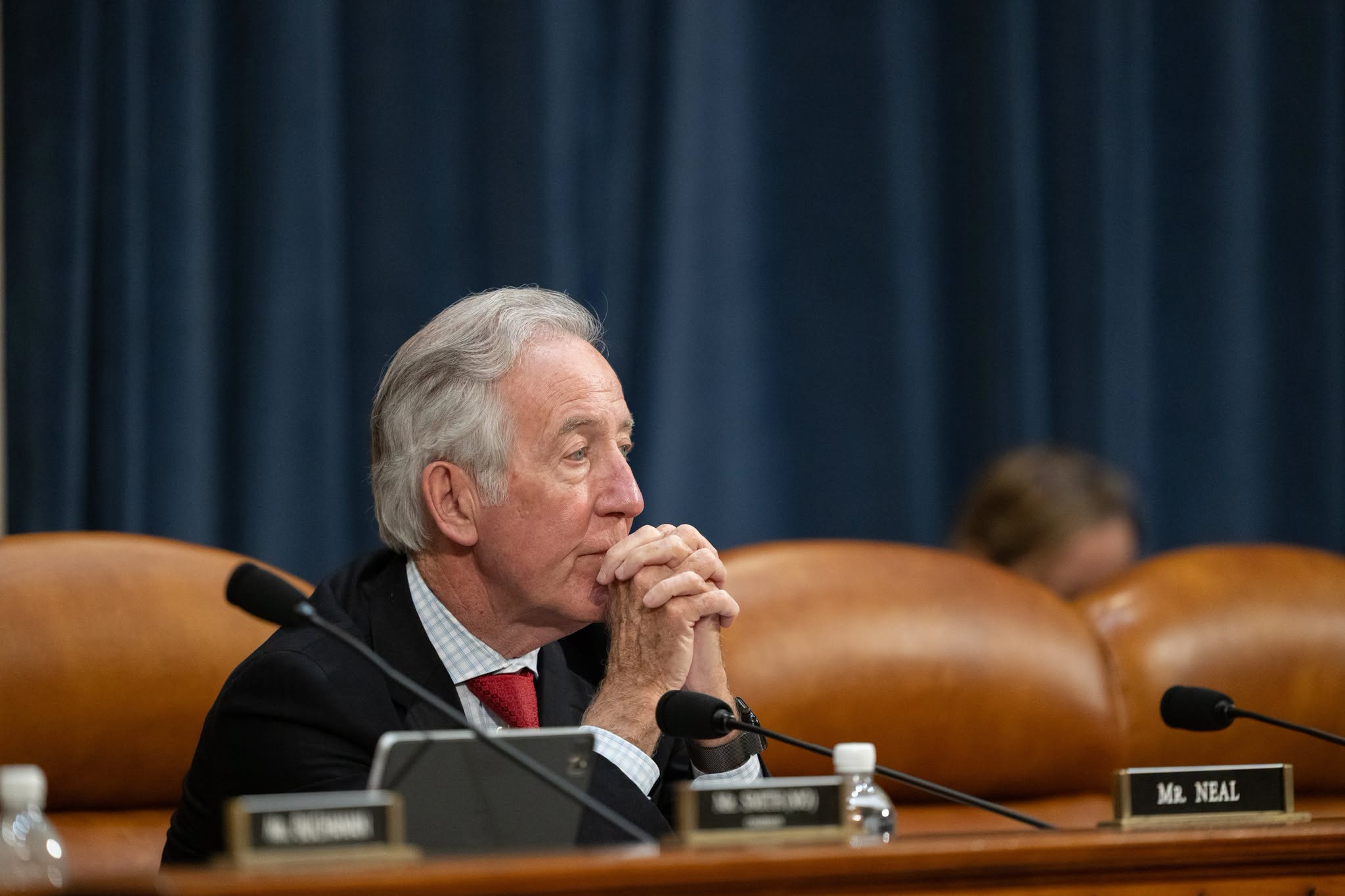
At this time, Sen. Ron Wyden (D-OR) is expected to retake the reins as chair of the Senate Finance Committee, while Rep. Richard Neal (D-MA) is expected to return as chair of the House Ways and Means Committee.
Recommended Articles
Notably, Democratic control of Congress doesn’t necessarily translate into an ability to enact significant tax policy changes. Democrats will remain short of the 60 votes generally required to overcome a legislative filibuster in the Senate, and President Trump will retain his authority to sign or veto legislation. Together, these constraints could limit major changes to the tax code while encouraging consideration of narrower bipartisan measures.
Lame-duck session: Legislative opportunities and constraints
Republicans retain control of Congress during the lame-duck session, which begins Nov. 9, 2026, providing a limited opportunity to advance outstanding legislative priorities before handing over the gavel to Democrats in January.
Government funding and potential year-end tax legislation
The most pressing deadline is Dec. 11, 2026, when the current continuing resolution (CR) funding federal government operations expires. Congress must enact fiscal year 2027 appropriations legislation or another stopgap funding bill to avoid a government shutdown.
Notably, negotiations over government funding and other outstanding priorities could provide a legislative vehicle for various bipartisan tax provisions. Potential items include:
- Retroactive extension or reinstatement of expired tax provisions, including the Work Opportunity Tax Credit;
- Extension of the Advanced Manufacturing Investment Credit;
- Taxpayer service and IRS administration;
- Digital asset market structure, taxation, and reporting requirements;
- SECURE 2.0 (P.L. 117-328) technical corrections;
- Film and television incentives; and
- Double taxation relief of U.S.–Taiwan cross-border activity.
The prospects for including these provisions in a year-end package remain uncertain, particularly given the compressed legislative calendar and yet-unknown political climate when lawmakers return to Washington.
Reconciliation legislation
Congressional Republicans could also consider another budget reconciliation package before year-end. The budget reconciliation process allows qualifying legislation to advance through the Senate by a simple majority without the 60 votes generally required to overcome the filibuster, subject to specific procedural requirements.
Potential priorities could include defense spending, federal debt-related measures, and other administration objectives, with tax provisions potentially included in a broader package.
However, the limited legislative calendar, narrow Republican majorities, possible attendance issues, and need for intraparty agreement all present significant obstacles to advancing another reconciliation measure before adjournment. Additionally, Senate Majority Leader John Thune (R-SD) is expected to prioritize advancing various judicial and executive nominations under the Trump administration before year-end.
National Tax observation
Although the lame-duck session provides an opportunity for additional tax legislation, government funding and other must-pass priorities will compete for limited floor time. At the same time, a must-pass funding bill could serve as legislative vehicle with which tax provisions could hitch a ride.
Tax policy outlook for the 120th Congress
Democratic control of Congress will shift the direction of federal tax policy discussions over the next two years, including renewed debate over corporate and individual taxation.
Prospects for changes to the 2025 tax law
The 2025 law known as the One Big Beautiful Bill Act (P.L. 119-21) made significant changes to the tax code, including permanently extending several individual and business tax provisions.
Democratic lawmakers could seek to revisit aspects of the legislation, particularly provisions affecting high-net-worth individuals, corporations, and multinational businesses. Potential areas of debate include corporate tax rates, international taxation, and the distribution of tax benefits. However, substantial changes to the OBBBA would require agreement with the Trump administration or substantial congressional support to override a presidential veto.
As a result, much of the debate over comprehensive tax reform during the next two years could focus on developing legislative proposals and establishing policy positions and stakeholder support ahead of the 2028 elections.
Affordability could provide an opening for bipartisan tax legislation
Affordability emerged as a defining issue in the 2026 election cycle and could provide an area of shared legislative interest for Republicans and Democrats.
Although the parties differ on the scope and design of federal tax relief, certain targeted provisions may attract bipartisan consideration, particularly those addressing housing.
Housing affordability
Housing-related tax incentives could be a focus of bipartisan discussions, including measures to encourage residential development, expand affordable housing supply, and reduce barriers to homeownership. Potential proposals could involve the Low-Income Housing Tax Credit, incentives for housing investment, and modifications to existing homeownership-related tax provisions.
Family and household tax relief
Lawmakers could revisit provisions affecting working families, including the Child Tax Credit, Earned Income Tax Credit, and childcare-related tax incentives. However, disagreements over eligibility, refundability, and fiscal cost could complicate negotiations.
Healthcare affordability
Healthcare affordability as well as the enhanced Affordable Care Act premium tax credits, which expired at the end of 2025, could remain a subject of legislative debate and negotiations. Proposals to restore or modify the enhanced credits would face disagreements over cost, eligibility, and program design.
National Tax observation
While affordability could provide a foundation for bipartisan discussions, agreement on the underlying policy objective will not necessarily translate into consensus on specific tax proposals.
Other potential bipartisan tax priorities
Beyond affordability, several tax policy issues, as noted above, could attract bipartisan attention during the 120th Congress if not first during the upcoming lame-duck session:
- Digital asset market structure and taxation;
- IRS administration and taxpayer rights/services;
- Retirement reforms and technical corrections;
- Reversing the OBBBA’s wagering losses limitation;
- Film and television incentives; and
- U.S.–Taiwan tax relief.
The prospects for these measures will depend on the priorities of incoming congressional leadership, negotiations within the tax-writing committees, and the administration’s willingness to support specific proposals.
Congressional oversight and regulatory developments
Notably, the change in congressional control could have implications beyond the enactment of new tax legislation. With Democrats assuming leadership of congressional committees, increased oversight of tax strategies used by corporations, high-net-worth taxpayers, and operations of banks and various other industries is expected on Capitol Hill. Additionally, oversight of federal agencies, including the Treasury Department and IRS, could become a more prominent component of the Democratic agenda.
As for Treasury and the IRS, potential tax-related areas of congressional scrutiny include implementation of the OBBBA, tax administration, IRS operations and reduction in workforce, IRS enforcement priorities, international tax compliance, and the administration’s efforts to roll back Treasury regulations and other administrative guidance.
Fiscal pressures and must-pass legislation
Federal fiscal pressures will remain an important consideration in tax policy negotiations during the next two years. Congress will continue to face government funding deadlines and may need to address the debt limit in 2027. Federal deficits and debt-service costs could complicate efforts to enact additional tax relief without corresponding offsets or spending reductions.
Implications for businesses and individuals
Although the election results immediately impact the federal tax policy environment, the change in congressional control does not itself alter existing tax law.
Businesses and individual taxpayers should consider the following as they continue to assess the legislative and regulatory tax policy outlook:
- Continue planning under enacted law: Existing tax provisions remain in effect unless modified by subsequent legislation. Tax planning should distinguish between current requirements, advancing legislation, and policy proposals.
- Monitor lame-duck developments: Year-end legislation could include targeted tax provisions, technical corrections, or extensions of expired incentives affecting prior or future tax years.
- Evaluate regulatory and administrative developments: Treasury and IRS guidance implementing enacted legislation, or related rollbacks, could affect compliance obligations, reporting requirements, and tax planning strategies.
- Assess potential long-term tax policy changes: Businesses should model and evaluate how legislative proposals could affect longer-term investment decisions and tax situations while recognizing the uncertainty surrounding enactment.
Looking ahead
The 2026 midterm elections mark a significant shift in the federal tax policy landscape. While divided government may limit the prospects for sweeping tax legislation, targeted measures addressing affordability, digital asset taxation, IRS administration, and technical issues in the tax code could provide opportunities for bipartisan cooperation.
In the near term, attention will focus on the lame-duck session and whether congressional Republicans pursue additional legislation before the 120th Congress convenes. Looking further ahead, Democratic legislative and oversight priorities, lawmakers’ and the administration’s willingness to negotiate, and fiscal pressures and deadlines will all determine the scope of tax legislation during 2027 and 2028.
ABOUT THE AUTHOR:
David Colgren is media relations counsel to the California Society of CPAs.
Photo credit: Louis Velazquez/Unsplash
Sign in to get access to this free resource, and all of our whitepapers and reports.

Download this content today!
Register Now Already registered? Click here to Log In