

By Alex Harris
Miami Herald
(TNS)
Florida voters resoundingly decided to slash their own property taxes on election day, sending shockwaves through the local governments who now have to figure out which services to cut.
On the potential chopping block: the millions (and billions) of flooding projects that are sorely needed in soggy South Florida.
At the Southeast Florida Climate Compact’s annual summit this week, elected officials from Palm Beach County to the Keys openly worried about what this new mandate means for the projects they’ve been advocating for. On stage, Broward County Commission Steve Geller put it bluntly.
“I advise people to move to another state because Florida is going to be a hellhole,” he told the crowd. “We’re going to be underwater.”
Recommended Articles
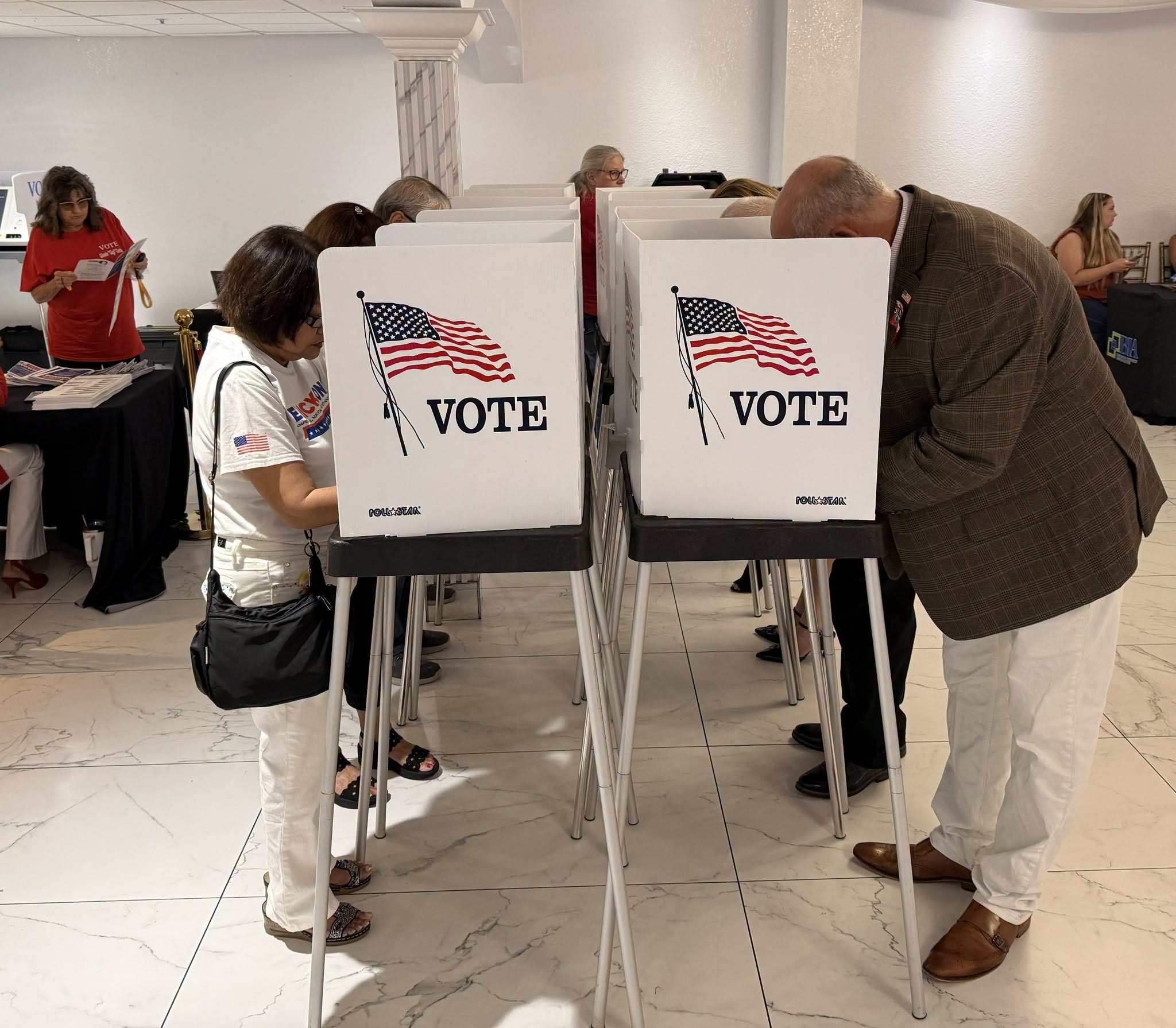
Florida’s new constitutional amendment, which passed with 62% approval, raised the homestead exemption from property taxes from $50,000 to $250,000 by 2028. It’s a severe blow for local governments that rely on property taxes as the foundation of their budgets.
Broward County could lose $333 million of its budget by 2028, according to an estimate from flood consultant firm Brizaga. Miami-Dade estimates it would lose $700 million if the amendment were in place today, about 20% of the property taxes it collects every year.
While some politicians, including Miami-Dade Commissioner Raquel Regalado, have thrown cold water on the panicky language around this change and suggested it won’t be that big of a deal, the mood among the largely left-leaning environmentally-minded officials at the summit was bleak.
“The voters were lied to by venal politicians who, for their own gain, told the voters ‘you can have all the services you need without paying for them’,” Geller said. “Living in Florida, you’ll receive the service level of a Third World country because that’s what you voted for.”
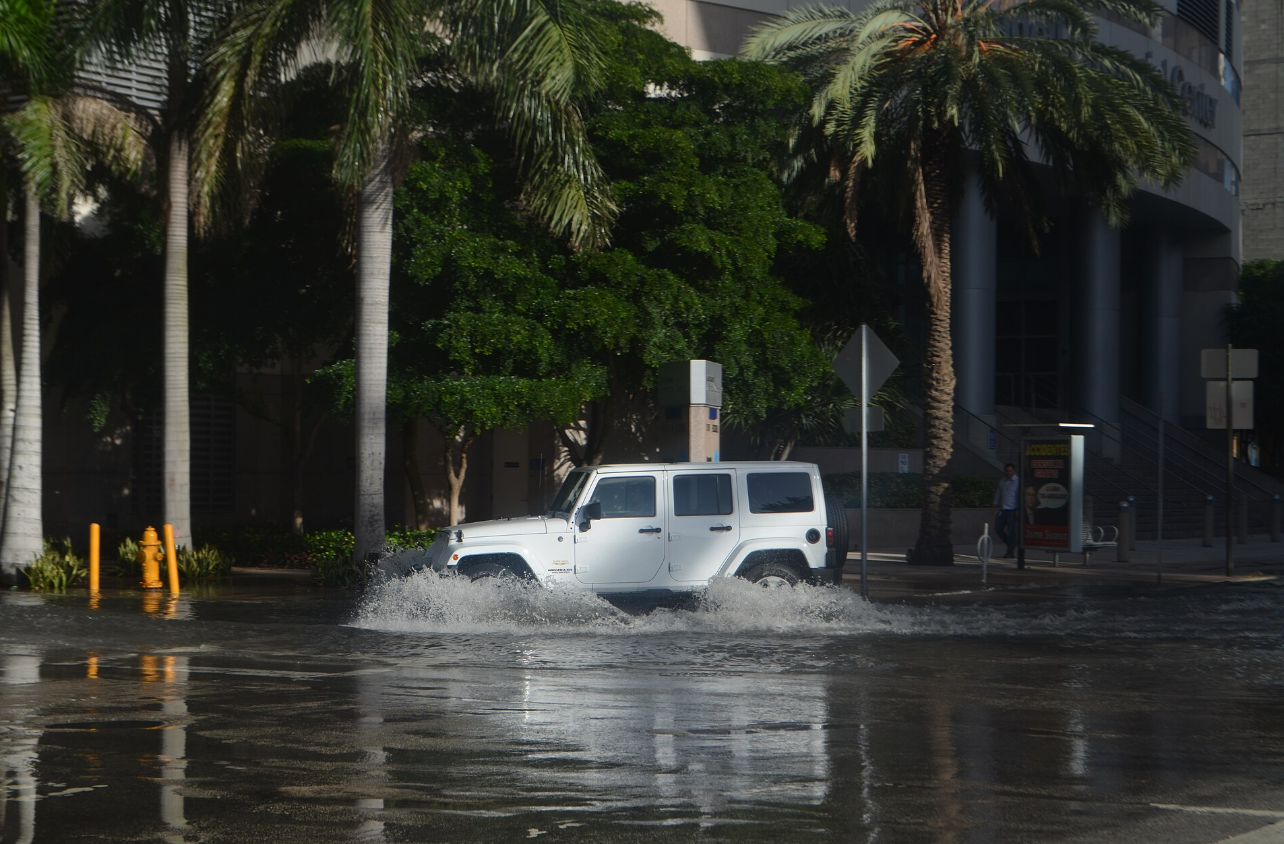
Flood control projects are pricey. Fixing a single neighborhood in Miami or Fort Lauderdale can cost tens to hundreds of millions of dollars, and local governments already struggle to fund and complete those projects with a fully flush budget. They often heavily rely on state or federal grants or voter-approved bonds to pad out the property tax money they use.
Geller said the cuts to balance the budget would have to be dramatic. He said police and fire would have to take hits. If their budgets are left untouched, he said, everything else—parks, roads, flood control projects and more—would have to take a 50% cut.
“When it rains and the water doesn’t go anywhere, they’re going to call and say ‘you need to do something’,” he said. “I’m sorry, I can’t. You took away the funding we had for that.”
Water Management District budget slashed
In the world of flood fixes, the most consequential hit from Amendment 3 will likely be to the South Florida Water Management District. The agency is tasked with keeping 9 million residents of South Florida dry and supplied with clean drinking water, as well as Everglades restoration. But its 70-something-year-old drainage system is failing under an exploding population and rising seas.
There’s potential federal cash on the horizon for some of the much-needed fixes—quite a lot of it—but even mostly nationally-funded projects still require districts to pitch in to the costs.
“The challenge is, if you have to match it, with what?” said Irela Bague, a former governing board member of the district.
Michael Antinelli, co-founder of Brizaga, said by his calculations the district could lose $78 million of its budget by 2028. A state analysis found that number could creep to a nearly $110 million budget hole by 2031.
South Florida stands to lose more than any other water management district in the state.
“All the others don’t have Everglades restoration and a 50/50 partnership with the federal government,” Bague said.
Amendment 3 doesn’t kick in until the next budget year, so local governments have time to figure out how much gets cut, and where. But another aspect of the amendment calls for the legislature to meet and come up with a path to totally eliminate non-homesteaded property taxes, which could continue to eat away at funding used for flood control.
Turning to homeowners
Finding money for flood projects is already a struggle for South Florida.
Florida has given local governments more than a billion dollars in grants to complete these type of projects, as part of a Gov. Ron DeSantis spearheaded initiative. Some speculate that this grant program would have to be expanded to make up for the deficit.
In the Keys, which have perhaps the most immediate needs for flood control, they’ve tried to get creative to foot what is expected to be a $4.7 million tab just to raise flooded roads in the next few decades.
While federal and state grants can help with a lot of those costs, at least in the beginning, the matching dollars won’t last forever, county officials said. They asked the state for permission to raise sales taxes on tourists to pay for the projects. Florida said no.
Last year, Monroe County turned to asking the residents on those flooded streets to pony up—in special assessments that could levy tens of thousands of dollars of costs on each home, plus years of maintenance costs.
That effectively gutted the county’s premiere road raising program. Amendment 3, according to Brizaga’s calculations, could slice another $10 million from Monroe County’s budget by 2028.
Photo caption: Flooding in downtown Miami on Oct. 13, 2016. (Wikimedia Commons)
_______
©2026 Miami Herald. Visit miamiherald.com. Distributed by Tribune Content Agency LLC.
Sign in to get access to this free resource, and all of our whitepapers and reports.

Download this content today!
Register Now Already registered? Click here to Log In