



Remember Beanie Babies? During the 1990s, they were all the rage and considered by many to be collectibles of the future. Ty occasionally “retired” Beanie Babies, generating even more hype.
Today, not so much. Rarity is one of the factors in value, and Beanie Babies were manufactured by the millions. Most are practically worthless now except for a few especially rare or special ones in perfect condition with the heart-shaped Ty tag and “tush tag” still attached.
The moral of the story is that you don’t know what will or won’t be valuable 30 or 50 years from now.
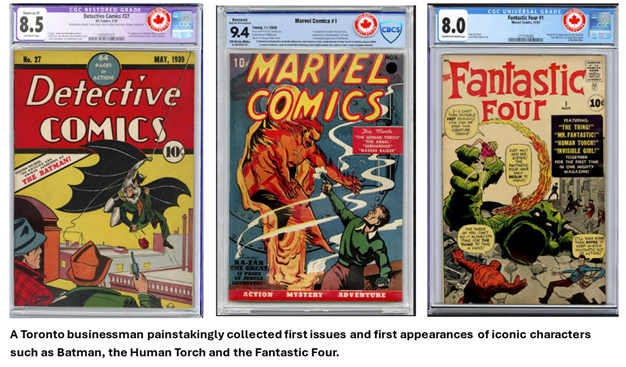
Comic book characters that were introduced in the 1960s and 1970s – the so-called “Silver Age” – didn’t make a splash then but are now having movies made about them, so those original comic books have become collectors’ items. If you have early issues, for example, of Spider-Man, Wolverine or the Fantastic Four, you may be looking at some serious money, depending on their condition.
A current comic book phenomenon is DC’s “Absolute” series, with heroes like Batman, Superman and Wonder Woman being reimagined by a new generation of artists and writers. A 2024 Absolute Batman #1 has sold for as much as $1,500.
But there is more to collectibles than comic books. Here are some categories that don’t get as much hype.
Newspapers
Old newspapers hold a unique place in the world of collectibles, combining historical significance with nostalgia and, in some cases, monetary value.
The thing about newspapers is that people usually throw them out or use them to pack glassware, line the bird cage or clean the windows. Though they are published in the thousands, they can actually be quite scarce.
So newspapers with headlines about singular events – the kinds that people can recall where they were and what they were doing – can be valuable to a collector. And they don’t have to be from the 1940s. Some examples:
- The death of Princess Diana (1997)
- Y2K (Dec. 31, 1999, to Jan. 2, 2000)
- The Sept. 11, 2001, attacks on New York
- The elections of Barack Obama (2008) or Donald Trump (2016)
20th century tech
The first iPhone was released in the U.S. in June of 2007 – not really that long ago. Today, first-generation iPhones are attracting collectors who are willing to pay thousands or even hundreds of thousands for them.
The same goes for the iPod, which made its debut in 2001 and was retired in 2022. Early versions of these tiny music boxes are also becoming valuable.
Vintage computers, classic video game consoles and retro audio equipment like vinyl records and cassette players have also attracted the attention of collectors, who often seek out items that represent significant technological advancements or cultural moments.
Magazines
Age and condition are key factors in the value of vintage magazines. Early editions of Life magazine chronicling significant events or cultural moments (Marilyn Monroe, John Lennon, Mahatma Gandhi) can be valuable. The same goes for early editions of National Geographic and Playboy.
And surprisingly, Mad Magazine. The first appearance of gap-toothed Alfred E. Neuman in 1954 is a collector’s item, but certain cultural moments also gain collectors’ attention, with comical parodies of E.T., Donald Trump, Harry Potter and others.
Cars
People have cars they bought in the ’60s, ’70s or ’80s, drove them around, never got rid of them, and now they’re sitting in the garage. All of a sudden the car that stopped working is sought after, a “classic.”
A case in point is the DeLorean. It is considered a failed car company, but today, though the value of a DeLorean can vary widely, you can expect to pay around $55,000 for a 1981 DeLorean DMC-12 in good condition. (Its appearance in the “Back to the Future” films didn’t hurt, either.)
Many factors play into the collectability of an item. Don’t believe the hype and instead buy what you love. If it becomes a valuable collectible in 30 or 50 years, that’s just a bonus.
ABOUT THE AUTHOR:
Stephen Fishler is CEO of www.MetropolisComics.com and www.ComicConnect.com. He is a comic book expert who devised the system still used today to grade comics. Contact him at Stephen@metropoliscomics.com with your collections.
Sign in to get access to this free resource, and all of our whitepapers and reports.

Download this content today!
Register Now Already registered? Click here to Log In
Tags: collectibles, collectors, hobby, Taxes