



By Mark Curriden
The Dallas Morning News
(TNS)
Restructuring under Chapter 11 of the U.S. Bankruptcy Code may get easier and cheaper for small business owners if President Donald Trump signs into law new legislation passed by both chambers of Congress in September.
In legislation co-sponsored by Sen. John Cornyn, the U.S. Senate unanimously approved the Bankruptcy Threshold Adjustment Act on Monday, which increases the debt limit from $3.4 million to $7.5 million for small businesses seeking to reorganize under a special part of Chapter 11 for companies called Subsection V.
Subchapter V allows small businesses to restructure their debt faster while offering greater flexibility in negotiating with creditors. The U.S. House of Representatives passed identical legislation earlier in September. Texas Rep. Lance Gooden co-sponsored that bill.
The legislation is widely favored by bankruptcy law experts, small business advocacy groups and even judges who oversee these kinds of cases.
“Most lawyers and judges would consider this legislation to be a very good thing,” said Chief Bankruptcy Judge Stacey Jernigan of the Northern District of Texas. “Small businesses in this day and time can have a lot more debt than the roughly $3.4 million cap that has been in place. Increasing the cap, as has been proposed, allows more businesses to avail themselves of this more efficient reorganization option. This could be good for both companies and their creditors.”
Chief Judge Jernigan said the legislation will give small businesses a “more affordable, efficient way to try to fix their problems in a court-supervised bankruptcy case, as opposed to just shutting down in many cases.”
Legal experts note that small businesses filing for Chapter 11 restructuring is a signal of a strong economy, while Chapter 7 liquidation is viewed as a symptom of a weaker economy. They also predict an uptick in small business filings after the legislation is signed into law.
The bankruptcy courts in the Northern District of Texas, which includes Dallas and Fort Worth, and the Southern District of Texas, which includes Houston, are statistically among the busiest bankruptcy courts in the U.S.
“We are already very busy,” Chief Judge Jernigan said. “Texas, of course, has a thriving business climate. When people start businesses, a certain percentage are going to fail. We are likely going to continue to be busy dealing with these situations no matter what. I think small businesses will take advantage of it no matter what. I think most of us in this area of law consider this as a middle-road option between shutting down a business and a full-blown Chapter 11, which can be expensive, lengthy, contentious, and—for some businesses—not worth the potential benefits.”
Munsch Hardt partner Thomas Berghman said Subchapter V cases have been “very successful” because small businesses can reorganize “without ownership having to put in substantial new money.” He said business owners have often already “poured in substantial personal funds.”
“The problem is that the current debt cap does not match the reality of what today’s small businesses look like,” Berghman said. “Many businesses that are considered ‘small’ have debts in excess of the current limit of about $3.4 million due to bank debt, MCA transactions, tax liabilities, and the like. But they are currently unable to take advantage of Subchapter V.”
The new higher debt limit, he said, “may also encourage businesses to file bankruptcy earlier, while there is more value to preserve.”
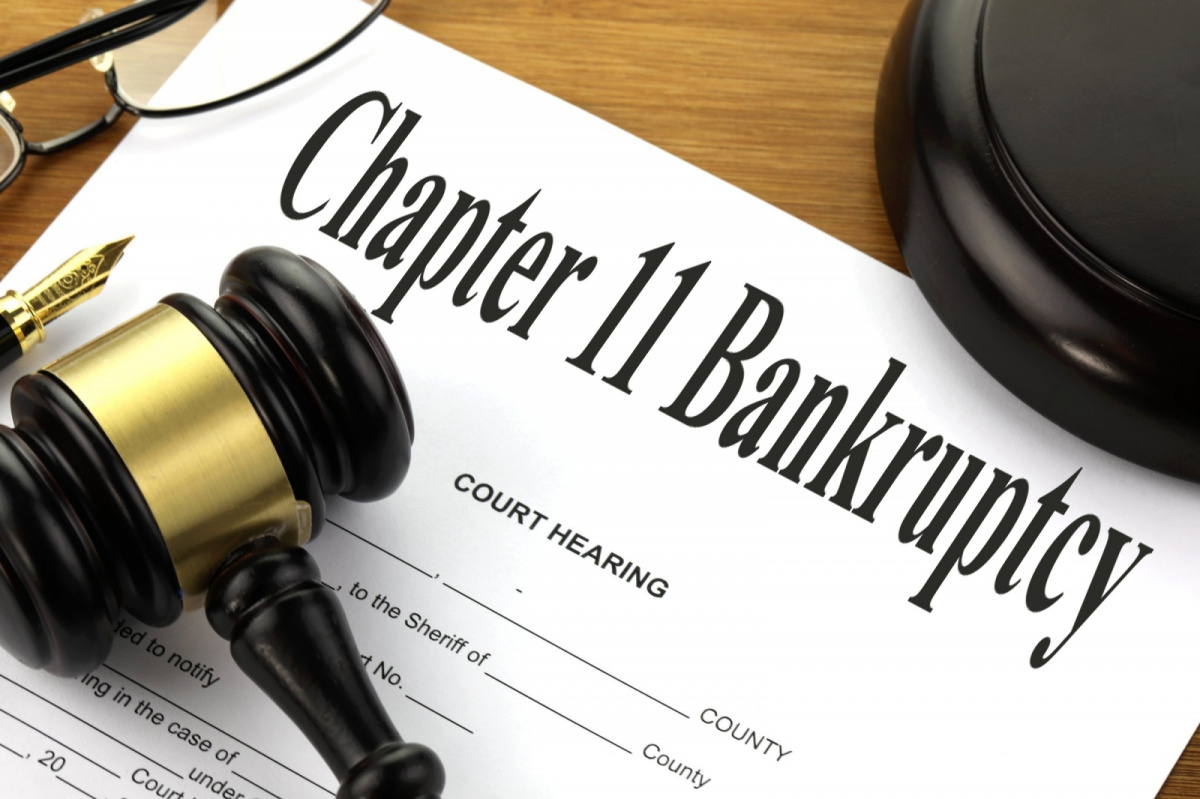
Photo credit: Nick Youngson/Pix4Free
_______
© 2026 The Dallas Morning News. Visit www.dallasnews.com. Distributed by Tribune Content Agency LLC.
Sign in to get access to this free resource, and all of our whitepapers and reports.

Download this content today!
Register Now Already registered? Click here to Log In