



By Sabrina Eaton
cleveland.com
(TNS)
BRUNSWICK, Ohio — Monnie Johnston is a certified public accountant who prepared tax returns professionally for three decades before retiring this year. She still does the family’s taxes, including returns for the couple’s three adult children.
This year she and her husband, Bob, also a CPA, cannot get a straight answer out of the IRS about their own tax return. A report released last month by the U.S. Government Accountability Office says problems like theirs have become more widespread because of staff cuts at the agency.
“Something’s clearly wrong,” Monnie Johnston said in an interview.
The Johnstons filed their 2025 federal return electronically on March 22. TurboTax confirmed the same day that the IRS had accepted it and told them to expect a refund “typically in 3 weeks or less.”
Five months later they are still waiting on their $8,000 refund.
In that time they have received three letters from the IRS. None explains what is actually wrong. Each says the agency needs another 60 days.
“Our return is squeaky clean, and typically it’s not uncommon to get a letter, and they might question one line item, but usually when that happens, that query comes with the very first letter,” Monnie Johnston said. “What I’m not used to is getting very vague letters saying, you know, we’re looking into this. We don’t know.”
Bob Johnston tried calling the IRS directly. He worked through the automated system until it said he’d be transferred to a live representative.
“I jumped through the hoops of the automatic call, and finally … they’re directing me to an individual, and what comes on is an answering machine that says, well, I’m sorry, we’re over capacity, and we can’t address this at this point,” he said. The call ended there.
Monnie Johnston, who spent years calling the IRS on behalf of clients, said her husband’s experience was new to them. “That’s the very first time that that’s ever happened to us,” she said. “He’s always been able to get a hold of somebody. It’s just a matter of how long do you have to wait.”
The couple’s experience lines up with what federal watchdogs have documented nationally this filing season. The IRS lost about 27 percent of its workforce over the past year after mass firings and buyouts under the Trump administration, according to statistics compiled by the Center for Budget and Policy Priorities.
Recommended Articles
IRS July 22, 2025
IRS Workforce Has Shrunk 25% Since Trump Took Office
By this summer the agency had failed to fill more than half of the 1,900 positions it was authorized to hire to process returns and correct errors, and missed its hiring goal for the division that answers taxpayer questions by 34 percent, according to a report from the Treasury Inspector General for Tax Administration.
The Government Accountability Office found the IRS processed about 98 percent of the 177 million individual and business returns it received during the latest filing season, matching last year’s rate. But the agency told GAO that unavailable processing systems and reduced staffing slowed paper returns in particular, and that recent staff losses had delayed programming updates those systems needed
The National Taxpayer Advocate, an independent watchdog inside the IRS, told Congress in June that the agency answered 21 percent of its calls this filing season with an average wait of 14 minutes, down from 25 percent answered and an eight-minute wait the year before. The number of fully staffed Taxpayer Assistance Centers fell to 42 from 102.
It described the 2026 tax filing season as “largely successful,” noting IRS processed nearly 139 million individual tax returns, issued more than 90 million refunds and successfully implemented extensive tax law changes despite significant operational challenges.
While most did not encounter problems with their tax returns, the report said “aggregate statistics do not tell the whole story.” It described the filing season as “frustrating, confusing and financially disruptive” for millions of taxpayers.
“Some taxpayers whose returns were frozen by IRS filters waited weeks or months for refunds they depended on to pay rent, buy groceries, or cover medical expenses,” the report said. “Taxpayers calling certain IRS telephone lines often could not reach a live employee despite repeated attempts. Victims of identity theft continued to face unacceptable delays that, in many cases, stretched close to two years. Lower-income and unbanked taxpayers seeking paper refund checks encountered obstacles and delays that left many feeling shut out of a system that should work for everyone.”
Recommended Articles
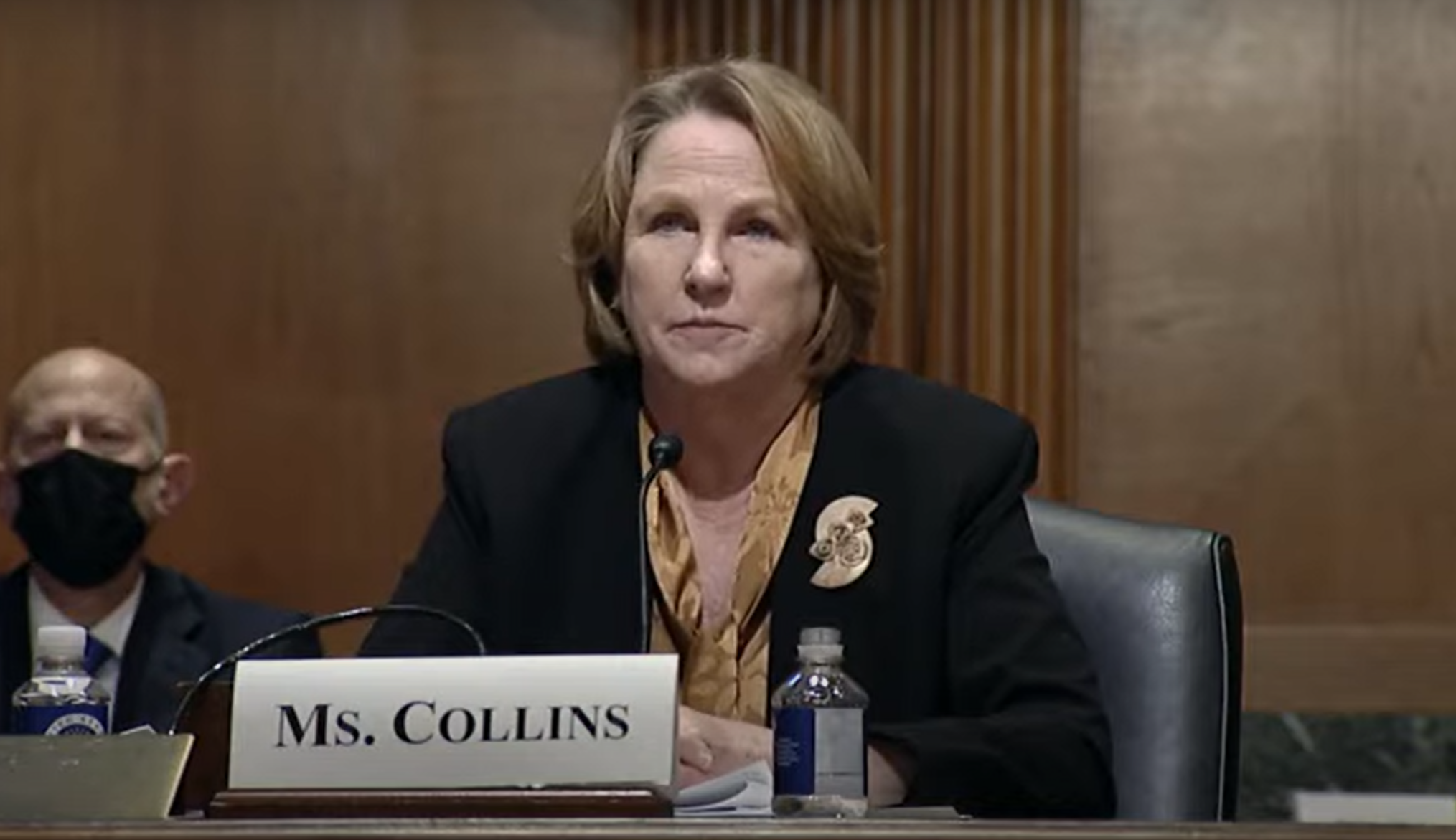
In July, more than a dozen Democratic U.S. senators wrote a letter to IRS Chief Executive Officer Frank Bisignano that cited the Taxpayer Advocate’s report in questioning his claims “that the IRS had no additional staffing needs, despite the fact that the Trump Administration spent its first year in office firing or pushing out nearly 30,000 workers.”
Internal Revenue Service spokesman John W. Fuld said he couldn’t comment on specifics of individual taxpayer cases, but refunds can be delayed for many reasons.
“The IRS delivered a historically successful filing season, efficiently processing returns and issuing average refunds that were 11 percent higher than last year as Americans benefited from the President’s Working Families Tax Cuts,” said an email from Fuld. “IRS Chief Executive Officer Frank Bisignano remains committed to maintaining the right workforce and delivering the world-class service American taxpayers deserve.”
Out of frustration, the Johnstons say they’ve sought assistance from their Congress members.
A spokesperson for U.S. Sen. Bernie Moreno, a Westlake Republican, said the office is looking into the Johnstons’ case. A spokesperson for U.S. Sen. Jon Husted, a Columbus-area Republican, said their office hasn’t experienced any increase in constituent IRS issues, but encourages Ohioans who have difficulty with any federal agency to seek help from their office.
The office of U.S. Rep. Max Miller, a Bay Village Republican whose district includes Brunswick, says it regularly assists constituents who need help resolving IRS problems though it couldn’t say whether the current volume is higher than usual or due to staff levels.
“In our casework, we see constituents dealing with delayed refunds, returns that have been pending for extended periods, identity verification issues, and other processing problems,” said Miller spokesperson Abigail Angelos.
The office of U.S. Rep. Shontel Brown, a Warrensville Heights Democrat who represents a Cuyahoga County district next to Miller’s, said it has had an increase in IRS casework this year. Most consist of individuals seeking assistance to collect a delayed refund.
“Over one third of all of our federal agency casework this year has been IRS related,” said Brown spokesman Will McDonald, pointing to the Government Accountability Office report on IRS staff cuts.
The Johnstons say the IRS owes them interest on the delayed refund. They said it’s not causing them a financial hardship, though it is throwing off their own bookkeeping.
Bob Johnston said the point, for him, goes beyond his own refund.
“Cuts are made arbitrarily, and now they’re affecting us as citizens,” he said. “That is what’s annoying.”
Photo credit: IRS/YouTube
_______
©2026 Advance Local Media LLC. Visit cleveland.com. Distributed by Tribune Content Agency LLC.
Sign in to get access to this free resource, and all of our whitepapers and reports.

Download this content today!
Register Now Already registered? Click here to Log In