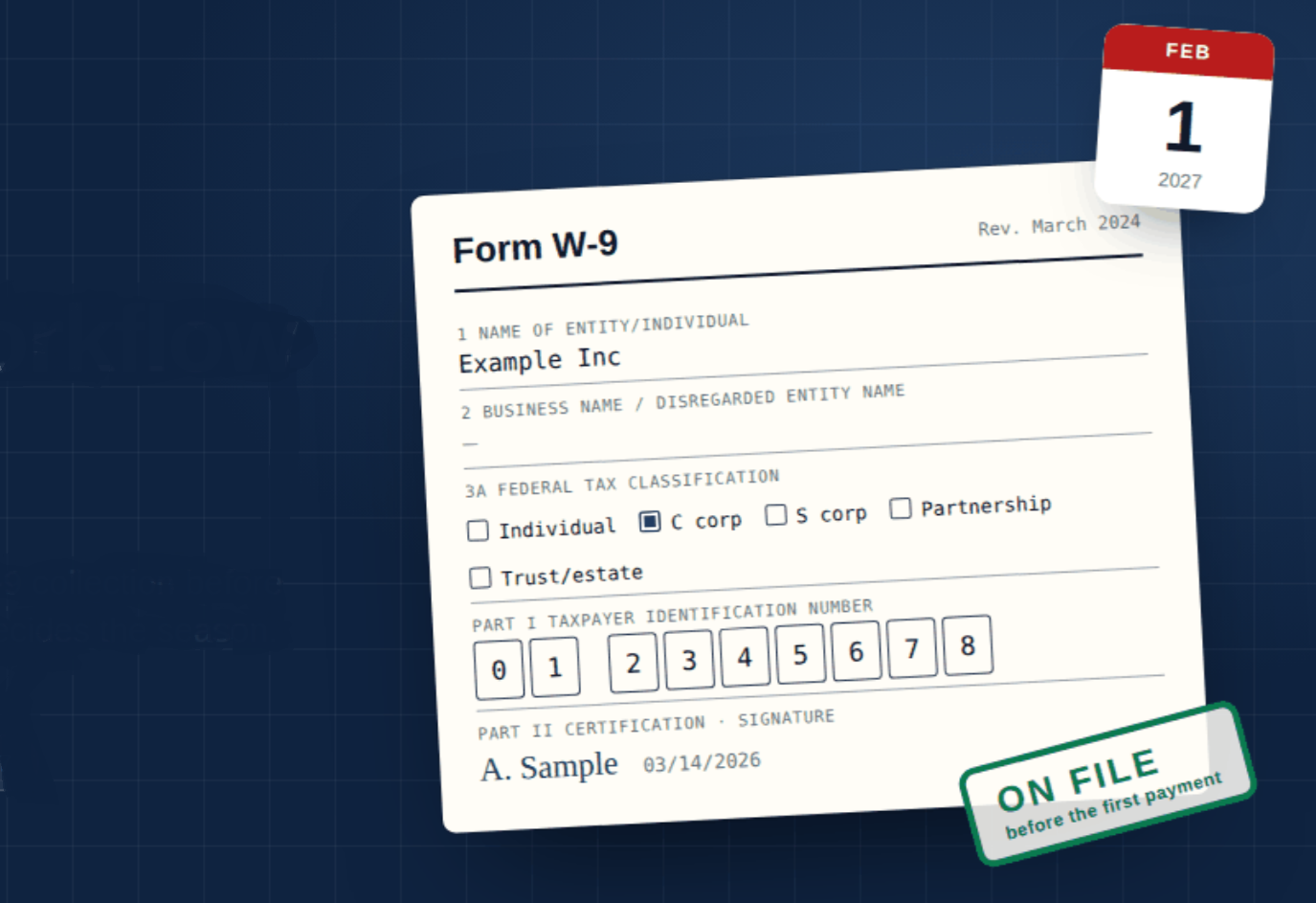




Do you have one or more clients who owe huge sums to the IRS? Making an offer-in-compromise (OIC) through a special program can get your clients back on their feet. However as shown in a new case, Tooke, TC Memo 2026-54, 6/23/26, the IRS isn’t obligated to accept a taxpayer’s best offer.
Background: An OIC is an arrangement where a taxpayer settles a tax debt with the IRS for less than the full amount that is owed. Once you meet the obligations under the OIC program, the IRC cannot go after you for the same back taxes anymore. You’re completely off the hook!
The IRS generally requires the taxpayer making the offer to complete Forms 433-A and 656. In addition, the taxpayer must pay a nonrefundable $205 application fee and include the first payment owed on the proposed balance. The form requires detailed personal information about the taxpayer’s monthly income, assets, debts, rent, utilities, groceries and other regular expenses.
Notably, the IRS won’t agree to an OIC unless the amount offered is equal to or greater than the reasonable collection potential (RCP). The RCP includes the value that may be realized from assets—including real estate, vehicles, bank and financial accounts, etc.—plus anticipated future income less certain amounts allowed for basic living expenses.
The IRS will accept an OIC based on one of three grounds.
- There is legitimate doubt as to liability. A compromise meets this requirement only if here’s a genuine dispute regarding the existence or amount of the tax debt.
- There is legitimate doubt that the amount owed is fully collectible. This occurs when the taxpayer’s assets and income are less than the full amount of the tax liability.
- The compromise is based on effective tax administration. This means that requiring payment in full would either create an economic hardship or would be “unfair and inequitable.”
Facts of the new case: The taxpayer owed federal income tax liabilities for the period spanning 2012 through 2017. Following notification of deficiencies, the taxpayer proposed an OIC with a lump-sum payment of $175,000. This was later amended to $365,000, but was still well below the IRS’ calculated RCP of $500,000.
The taxpayer based the calculation of the lower RCP on three primary factors.
- 1. Special circumstances warranted a compromise due to hardship. The taxpayer alleged that his financial problems resulted mainly from a series of extortion attempts and theft by an ex=spouse.
- 2. The taxpayer claimed economic hardship due to a diagnosis of Parkinson’s Disease. He cited a need for emergency healthcare reserves of $85,000 to avoid future insolvency.
- 3. Finally, the taxpayer requested that other monthly expenses be added to the RCP. This included expenses for the private schooling, tutoring and transportation of a special needs child.
After a careful examination of all the facts, the Tax Court sided with the IRS. It determined that the taxpayer’s arguments were not enough to move the needle.
Practical advice: It’s important for clients to put their best foot forward. Provide the assistance they need for obtaining relief under the OIC program.
Sign in to get access to this free resource, and all of our whitepapers and reports.

Download this content today!
Register Now Already registered? Click here to Log In
Tags: Income Taxes, IRS, irs debt, offer in compromise, Taxes