



Organizations can submit an application for a Low Income Taxpayer Clinic matching grant now through July 6, 2026, the IRS announced last week.
The grant period of performance will be Jan. 1, 2027, through Dec. 31, 2027, and applications from underserved areas will be given special consideration.
An LITC is an organization that assists taxpayers through grants received from the IRS. LITCs represent low-income taxpayers in controversies with the IRS and educate low-income and English-as-a-second-language individuals about their taxpayer rights and responsibilities. Services are provided for free or for a nominal fee.
The Taxpayer Advocate Service, an independent organization led by National Taxpayer Advocate Erin Collins, administers the LITC program. Although LITCs receive partial funding from the IRS, the clinics and their employees and volunteers operate independently from the tax agency.

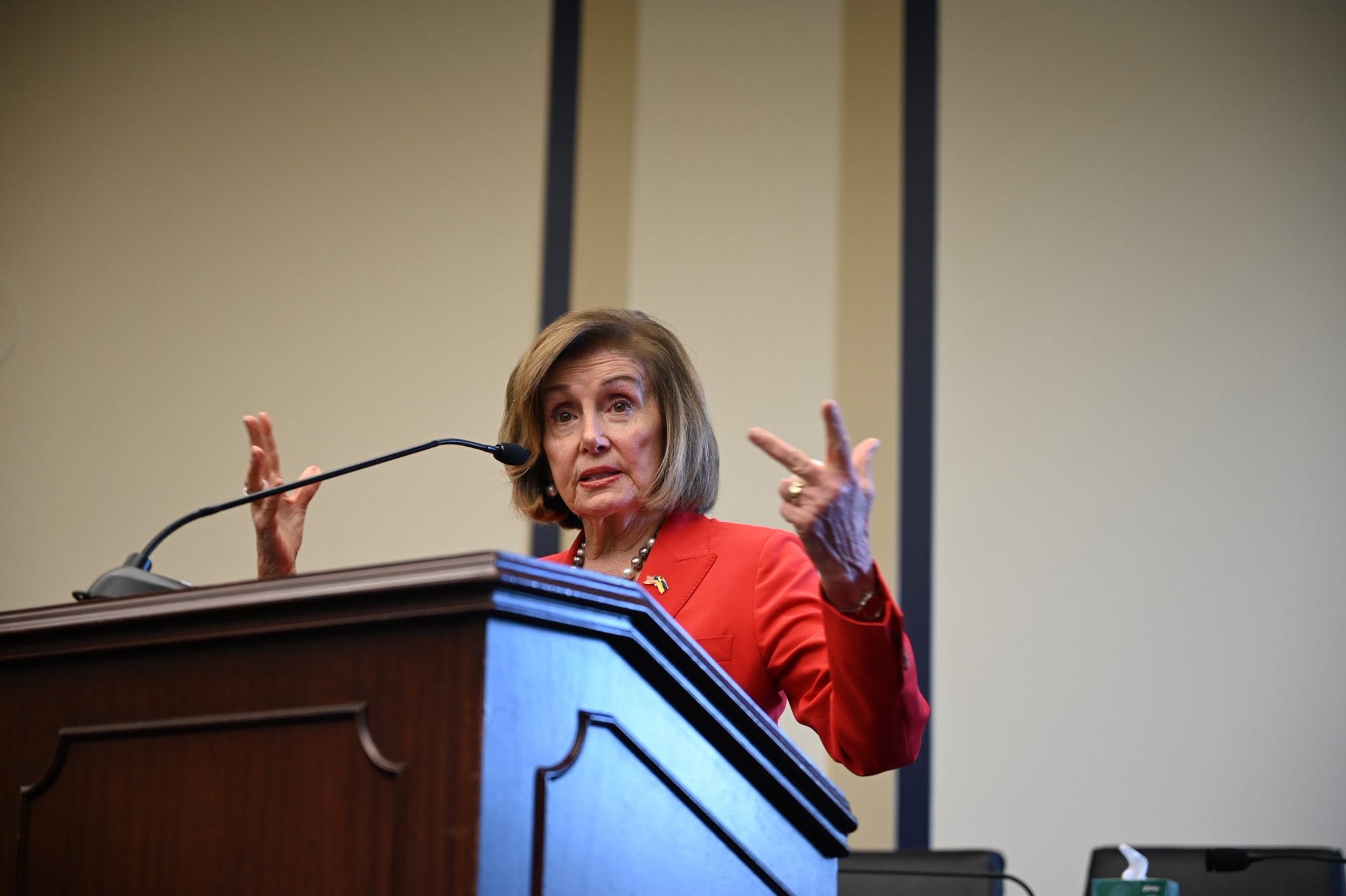
“Low Income Taxpayer Clinics are essential to ensuring that every taxpayer, regardless of income or language, has access to a fair and just tax system,” Collins said in a statement on May 6. “These clinics are a lifeline that protect taxpayer rights, ensure fairness, and provide trusted support to those who need it most. I encourage community organizations to apply and join us in expanding this vital work so that every taxpayer, in every community, has access to justice.”
IRS CEO Frank Bisignano added, “Low Income Taxpayer Clinics are an important part of the IRS’s overall approach to improving case resolution and protecting taxpayer rights. By helping taxpayers resolve issues earlier, these clinics can reduce burdens for taxpayers and the IRS alike. Expanding taxpayer access to qualified representation helps ensure cases are handled correctly and limits unnecessary escalation.”
The IRS awards matching grants to qualifying organizations to develop, expand, or maintain an LITC. For every dollar awarded by the IRS, an LITC must provide an equal match. An LITC must also provide services for free or for no more than a nominal fee, except for reimbursement of actual costs incurred.
Applicants may request up to $200,000 for the 2027 grant year. If Congress reduces overall funding for the LITC program or reduces the per-clinic funding cap amount for fiscal year 2027, the IRS says it will adjust each grant recipient’s award accordingly.
Officials say the LITC program is expanding access to clinic services by supporting new clinics and innovative service delivery models designed to reach underserved communities. The IRS says special LITC grant consideration will be given to applicants proposing to serve in Hawaii, Kansas, Montana, West Virginia, and Wisconsin and in underserved counties with limited or no coverage, including the following counties in Florida, Nevada, and South Dakota:
- Florida: Brevard, Citrus, Glades, Hamilton, Hardee, Hendry, Hernando, Highlands, Indian River, Lafayette, Lake, Madison, Martin, Nassau, Okeechobee, Orange, Osceola, Polk, Seminole, St. Johns, St. Lucie, Sumter, Suwannee, Taylor, and Volusia.
- Nevada: Carson City, Churchill, Douglas, Elko, Esmeralda, Eureka, Humboldt, Lander, Lincoln, Lyon, Mineral, Nye, Pershing, Storey, and White Pine.
- South Dakota: Aurora, Beadle, Bennett, Bon Homme, Brookings, Brown, Brule, Buffalo, Butte, Campbell, Charles Mix, Clark, Clay, Codington, Corson, Custer, Davison, Deuel, Dewey, Douglas, Edmunds, Fall River, Faulk, Grant, Gregory, Haakon, Hamlin, Hand, Hanson, Harding, Hughes, Hutchinson, Hyde, Jackson, Jerauld, Jones, Kingsbury, Lake, Lawrence, Lincoln, Lyman, McCook, McPherson, Meade, Mellette, Miner, Minnehaha, Moody, Oglala Lakota, Pennington, Perkins, Potter, Sanborn , Shannon, Spink, Stanley, Sully, Todd, Tripp, Turner, Union, Walworth, Yankton, and Ziebach.
“The IRS is particularly interested in applications that address geographic gaps or areas with high compliance activity but limited clinic presence,” the agency said in a media release. “Priority will be given to established organizations that can extend services into underserved areas, including those using referral models for representation, and organizations with strong community partnerships that can quickly deliver effective ESL education services.
Applicants must submit grant applications electronically by 11:59 p.m. ET on July 6, 2026. The funding number is TREAS-GRANTS-042027-001. Send questions about the LITC program or grant application process to LITCProgramOffice@irs.gov.
Photo illustration credit: Taxpayer Advocate Service
Sign in to get access to this free resource, and all of our whitepapers and reports.

Download this content today!
Register Now Already registered? Click here to Log In