



By Ethan Baron
Bay Area News Group
(TNS)
Opponents of the proposed California Billionaire Tax Act ballot initiative say they have collected more than enough signatures to qualify two countermeasures that could weaken or block it, setting up a big-dollar November fight over further taxing the Golden State’s richest residents that has divided Silicon Valley and the state’s political class.
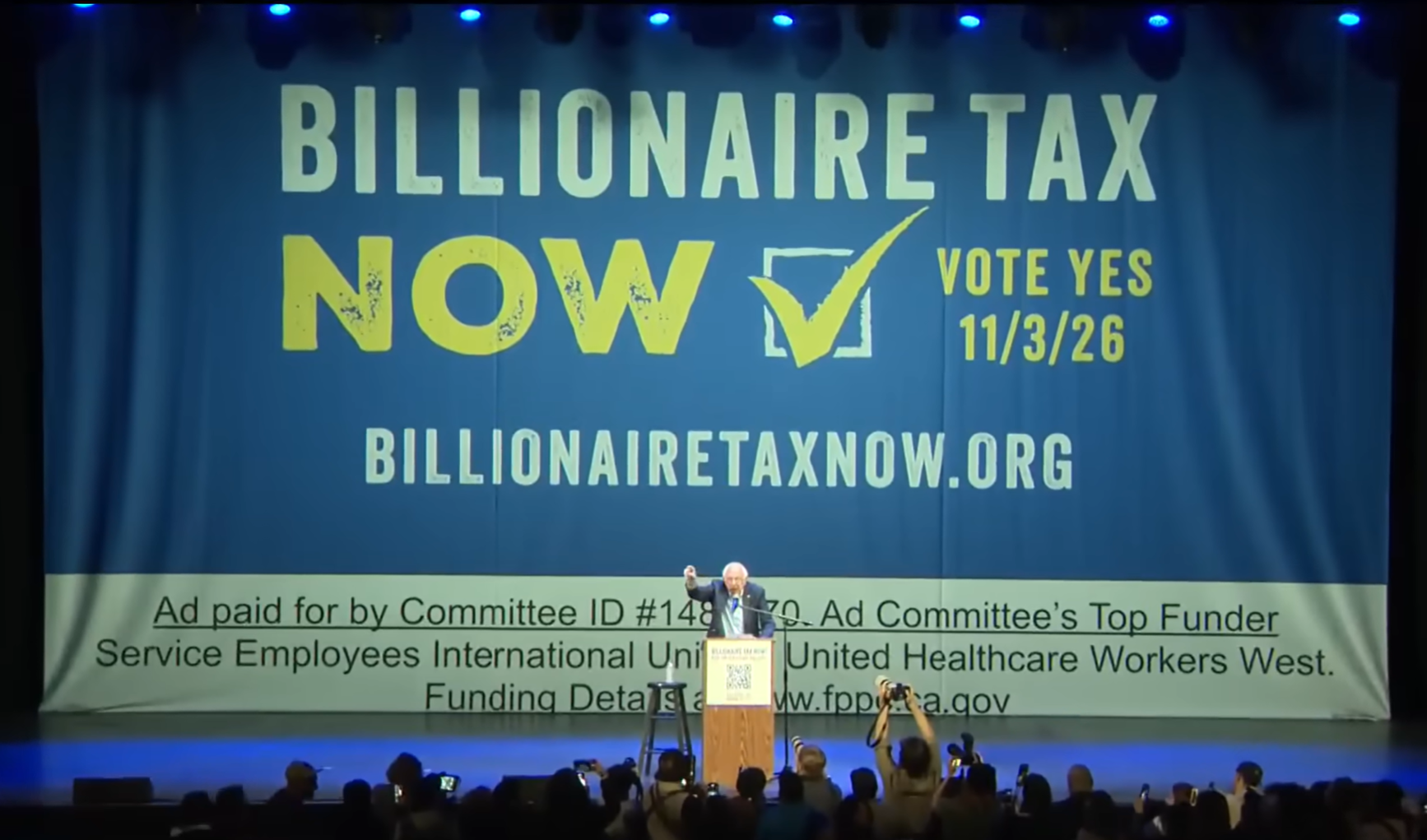
The billionaire tax, proposed by the Service Employees International Union-United Healthcare Workers West, would impose a one-time 5% levy on the net worth of California residents with more than $1 billion in assets, with the money aimed at helping the state generate $100 billion for healthcare in the face of federal cuts. The union said late last month that it had collected enough signatures to put the tax proposal before voters in November.
One of the countermeasures, the Retirement & Personal Savings Act, could effectively cancel out the billionaire tax if both measures passed and the savings measure received more votes. The proposal would ban retroactive taxes and new state taxes on personal assets.
Fighting against the tax proposal is a who’s-who of billionaires, most from the Silicon Valley technology industry. The group has thrown tens of millions of dollars into advocacy group Building a Better California, which is seeking to put two initiatives on the November ballot that experts believe are intended to counter the proposed tax. Google co-founder Sergey Brin, who has opened his treasure chest to fight the tax proposal, has given another $9 million to the group leading the battle, pushing his total spending to $66 million, state records show.
Californians to Protect Retirement and Life Savings, backed by Building a Better California, said last week it had gathered 1.4 million signatures from eligible voters—874,641 valid signatures are needed to reach the ballot—and begun submitting them to state and county authorities.
Nathan Click, spokesman for Californians to Protect Retirement and Life Savings, said the proposed Retirement & Personal Savings Act was not a response to the billionaire tax proposal.
“Californians deserve to know that their hard-earned savings will be there when they need them,” Click said.
Recommended Articles

Taxes April 29, 2026
California Considers Tax on Retirement Accounts
UC Riverside political science professor Shaun Bowler said the proposal is aimed at killing the billionaire tax. He said there aren’t current proposals to add a new tax to everyday Californians’ net worth, despite ads for the proposal that refer to people’s pensions, retirement plans, and savings.
“It’s campaigning,” Bowler said. “Lots of campaigns these days mislead and misrepresent.”
Click declined to comment on the suggestion of misrepresentation.
The other proposed initiative, the Improving Transparency, Effectiveness and Efficiency in California Government Act, would require audits of programs funded by new state special taxes. The Building a Better California-sponsored group Results CA said last week it had gathered 1.5 million signatures for what it has nicknamed the “Transparency Act” and begun sending them to authorities.
Bowler described the proposal as a “spoiler” that could weaken the billionaire tax or tie it up in court. Because the proposal is complicated, it doesn’t stand a great chance of passing, Bowler said.
“The keep-your-hands-off-my-pension is the one where the billionaires may have some success,” Bowler said. “It’s like, ‘I want to keep my pension.’ Everyone will say that.”
Each measure must pass the state’s verification process that involves county election officials randomly sampling signatures to check if they were signed by registered voters. If the check indicates 874,641 valid signatures were collected, the initiative will make the ballot for the Nov. 3 general election.
Passing the signature threshold does not suggest a ballot measure would win if it made the ballot, Bowler said.
“It tells us that there’s a lot of money being spent to qualify it,” Bowler said. “It doesn’t tell us whether or not it’s going to pass.”
The fight has exposed sharp political divisions in California and Silicon Valley. Democratic Rep. Ro Khanna and Tom Steyer, the billionaire hedge fund founder turned environmentalist and philanthropist now running for governor, support the tax proposal.
Opponents, including Gov. Gavin Newsom, San Jose Mayor Matt Mahan—also running for governor—and Ethan Agarwal, a Democratic primary challenger to Khanna, say it would drive rich people out of California, reducing the state’s tax revenue, and putting a chill on innovation and entrepreneurship.
The union pitches the tax as a way to offset the loss of federal healthcare funding under HR 1, also known as the One Big Beautiful Bill Act. The law makes almost $1 trillion in cuts over the next decade to Medicaid—which provides free or low-cost healthcare coverage to low-income people—and adds stricter work requirements and eligibility checks for Medicaid recipients.
California’s Medi-Cal program depends on the federal government for more than half its funding. As a result of cuts made and planned under HR 1, more than 400 California hospitals had already laid off more than 3,400 healthcare workers as of mid-March, the Orange County Register reported.
Recommended Articles
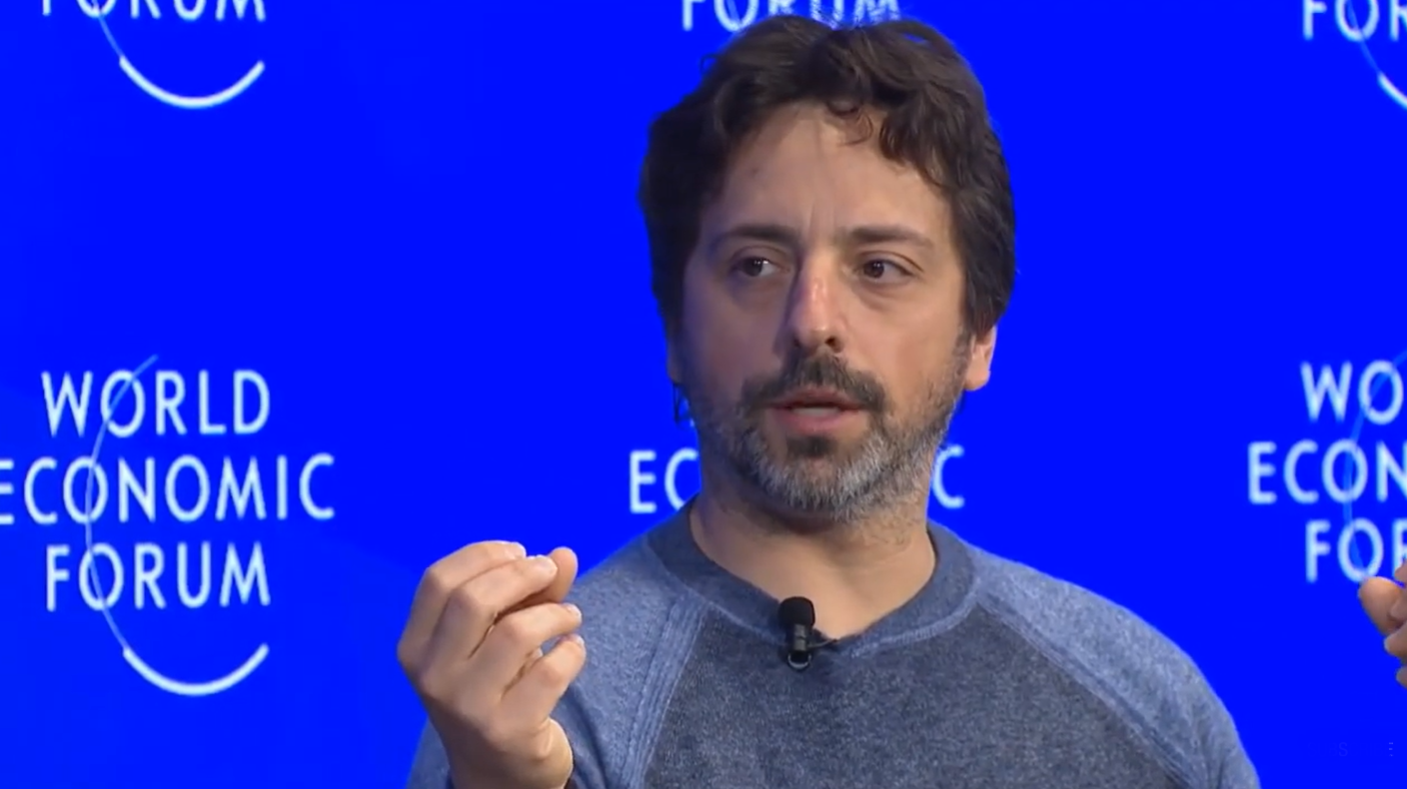
Of the approximately 200 billionaires in California, about 130 live in the Bay Area. Brin, worth $287 billion according to Forbes, has moved to a lakeshore mansion on the Nevada side of Lake Tahoe.
Along with Brin, billionaire Silicon Valley figures have handed over large sums to Building a Better California. Kleiner Perkins chairman John Doerr of Woodside, worth $24.5 billion according to Forbes’ real-time billionaires index, added another $500,000 last month to bring his total to $10 million. Sequoia Capital partner Michael Moritz of San Francisco, worth $8 billion, also increased his donations to the group last month, adding $500,000 to his earlier $7 million. Stripe CEO Patrick Collison of San Francisco, worth $17.5 billion, has given $7 million.
Former Google CEO Eric Schmidt of Atherton, worth $41.8 billion, has donated $3 million. Ripple executive chairman Chris Larsen of San Francisco, worth $12.4 billion, and Beverly Hills water and pomegranate magnate Stewart Resnick, co-owner of the Wonderful Company and worth $5.4 billion, have each given $2.5 million.
DoorDash CEO Tony Xu of San Francisco, worth $1.6 billion, has donated $2 million. And Max Levchin of San Francisco, CEO of Affirm and worth $2 billion, has given $1 million.
Building a Better California also is putting money into gathering signatures for the proposed Protect Schools and Taxpayers Act, which could complicate the billionaire tax if it eventually passed. The group is now aiming for the 2028 ballot with that proposal.
Photo caption: Google co-founder Sergey Brin speaks during the World Economic Forum in January 2017. (World Economic Forum/YouTube)
________
©2026 MediaNews Group Inc. Visit at mercurynews.com. Distributed by Tribune Content Agency LLC.
Sign in to get access to this free resource, and all of our whitepapers and reports.

Download this content today!
Register Now Already registered? Click here to Log In