



The Treasury Department said on April 23 that the IRS is planning revisions to Form 990, Return of Organization Exempt from Income Tax, intended to discover misconduct at tax-exempt organizations and hold fraudsters accountable.
The so-called “Form 990 transparency initiative” is intended to improve transparency, strengthen tax administration, and provide clearer reporting on certain activities of tax-exempt organizations described in Section 501(c)(3) of the Internal Revenue Code, including government contracts, government grants, and fiscal sponsorship arrangements, the Treasury Department said in a media release last Thursday.
The initiative was announced nearly a week after the IRS issued a Whistleblower Alert seeking information from taxpayers regarding the misuse, diversion, or fraudulent use of federal funds and grants by tax-exempt organizations, individuals, and businesses.
Recommended Articles

Clearer reporting on governmental grants and contracts, which can involve substantial public funds, “can help the IRS and the public better understand the sources and uses of that funding, support proper revenue classification, and reduce the risk of fraud, abuse, and misuse of taxpayer dollars,” the Treasury Department said.
“Public money and tax-exempt status demand public accountability,” Treasury Secretary Scott Bessent said in a statement. “We are ending the days of hiding fraud, abuse, and extremist activity behind complicated nonprofit arrangements. When bad actors misuse charitable structures, directors and officers should understand that transparency can lead to scrutiny, accountability, and liability under the law.”
The Treasury Department noted that recent congressional oversight has raised concerns that some fiscal sponsorship arrangements can be used to obscure who is operating a project, who controls project funds, and how those funds are being used.
Fiscal sponsorship, according to Treasury, is an umbrella term for several longstanding and lawful structures through which a tax-exempt organization may support charitable projects and initiatives.
Increased reporting can help address those concerns and “make it harder for rogue organizations to hide behind opaque arrangements,” the Treasury Department added.
“Tax-exempt status is not immunity from scrutiny,” Ken Kies, Treasury assistant secretary and acting IRS chief counsel, said in a statement. “If an organization receives public funds or tax-deductible donations, it should be prepared to show who controls the money and where it goes.”
The Treasury Department and the IRS expect to publish proposed regulations and have a public comment period before reporting changes are finalized.
The last major redesign of Form 990 occurred in 2008, when the IRS substantially expanded the core form and added numerous schedules to capture more detailed information about governance, compensation, fundraising, and program activities.
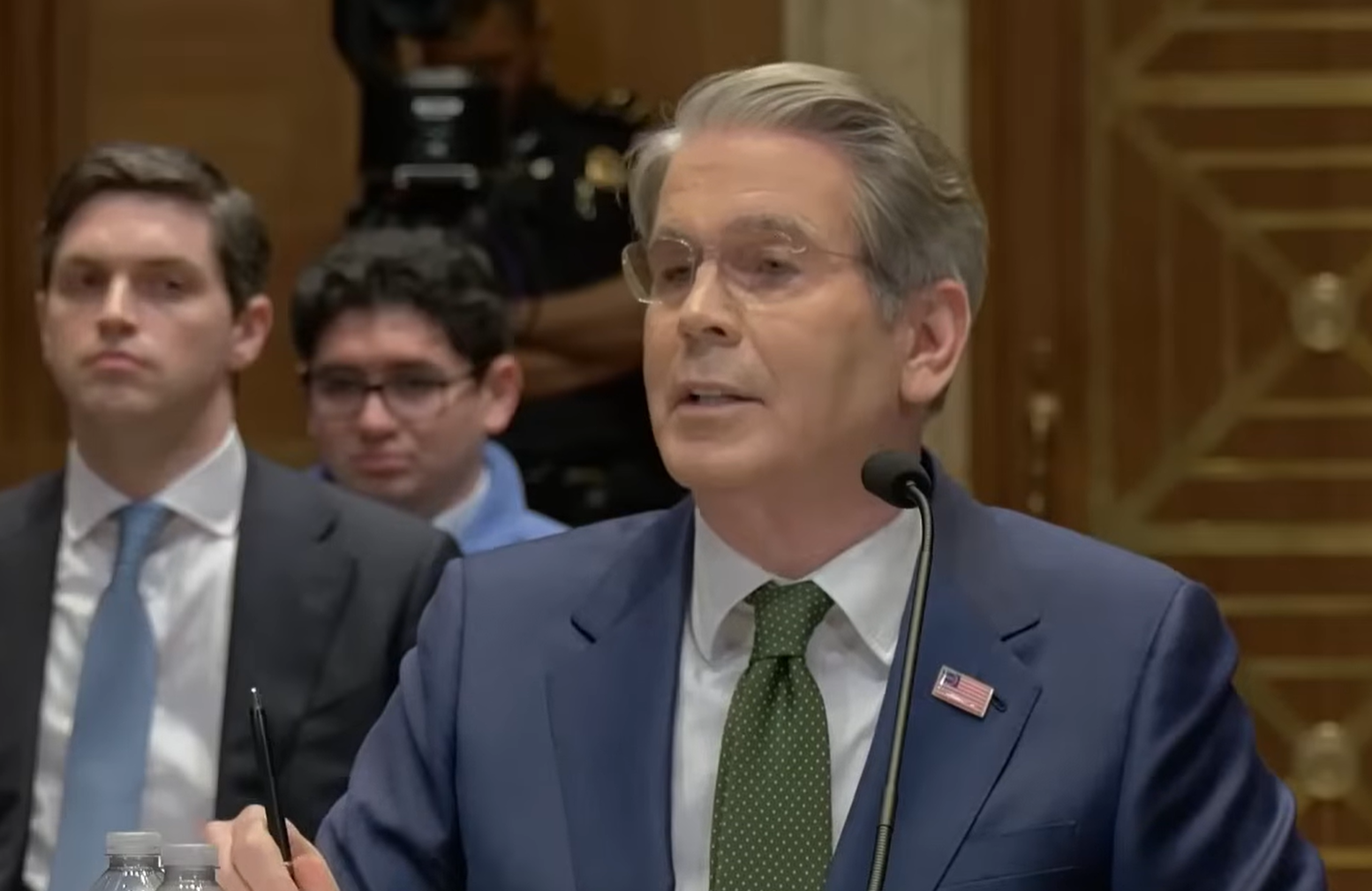
Photo credit: Treasury Secretary Scott Bessent testifies before a Senate panel during a hearing on President Donald Trump’s fiscal year 2027 budget request on April 22, 2026.
Sign in to get access to this free resource, and all of our whitepapers and reports.

Download this content today!
Register Now Already registered? Click here to Log In