By Christian M. Wade
The Salem News, Beverly, Mass.
(TNS)
BOSTON — A national business group is calling on the state’s highest court to reject a lawsuit challenging a proposed cut to the state’s income tax rate.
The proposal by the Massachusetts High Technology Council, Pioneer Institute and other groups calls for reducing the state’s flat personal income tax rate from 5% to 4% over three years beginning on Jan. 1 2027. The referendum has cleared several hurdles to the Nov. 3 ballot.
A lawsuit filed in February by union leaders and community activists is seeking to block the proposal, claiming the wording of a petition to qualify for the ballot was “misleading and deceptive” because it didn’t mention the cuts would cover all three categories of income taxes.
Recommended Articles

In the 32-page complaint, the plaintiffs claim the cuts would “overwhelmingly benefit the wealthiest one percent of Massachusetts taxpayers through the reduction of taxes on long-term capital gains, interest, dividends, salaries, wages and other income.”
But the Massachusetts chapter of the National Federation of Independent Businesses is calling on justices to toss out the lawsuit. In a new filing to the Supreme Judicial Court, the group argues that the lawsuit is meritless because the attorney general’s summary of the ballot question was “clear and concise” as required by state law.
“Plaintiffs’ complaint goes to great lengths to iterate criticisms of the initiative’s content, because they seek, in part, to make this case about the tax dollars that labor unions and other groups will not be able to spend, rather than whether the Attorney General’s summary is fair, which is the only actual legal issue,” NIFB’s lawyers wrote in the 12-page filing.
Chris Carlozzi, NFIB’s Massachusetts state director, said opponents of cutting the state’s income tax rate are “reaching for a reason” to “deny taxpayers the opportunity to vote on a ballot question attempting to make Massachusetts more affordable and competitive.
“The hostility of opponents towards tax relief has been relentless,” he said. “From the onset of this ballot effort, opponents have used any available gimmick to block much needed tax reform for Massachusetts and avoid responsible state budgeting.”
The state’s initiative petition process, which allows citizens to put questions on the ballot, is “designed for this very purpose, when state lawmakers refuse to hear the legitimate concerns of citizens dissatisfied with bad policies, in this case an ever-increasing tax burden with no legislative relief in sight,” Carlozzi said.
The Mass Opportunity Alliance, a coalition of business groups, is pushing the proposal to cut the state’s personal income tax rate and cap spending as part of broader efforts to create more jobs and improve competitiveness.
The group argues that the state’s high tax burden is contributing to an exodus of taxpayers and businesses, which has long-term economic implications.
A recent report by the coalition cited analysis showing that lowering the Massachusetts income tax rate would deliver long-term benefits to the state’s economic growth. The report said the short-term drop in revenue from a tax cut would be made up as the economy grows and people spend more of their own money.
A recent analysis of the proposed ballot question by Tufts University’s Center for State Policy Analysis estimated that the tax cut would mean an additional $1,250 a year per household on average in savings.
Recommended Articles
But the report said the changes, if approved, would reduce income tax revenue by 19% and total tax revenue by roughly 10%, or $5.1 billion, by 2030. They said the tax cut could “imperil efforts to balance the state budget and sustain core government programs.”
A report released by the left-leaning Massachusetts Budget and Policy Center estimated that cutting the income tax rate would mean an estimated $5 billion less revenue for the state government.
The group said the rate cut would deliver “unequal relief” for Massachusetts households, with middle- and low-income taxpayers seeing only “modest benefits” while those with the highest incomes would see “large windfalls” in tax savings.
Recommended Articles

Taxes January 29, 2026
Report: Massachusetts Income Tax Cut Could Cost State $5 Billion
On Beacon Hill, where state leaders are becoming increasingly concerned about the prospect of a $5 billion budget gap, House Speaker Ron Mariano has suggested that legislative leaders are willing to negotiate a compromise that would forgo cutting the state’s income tax.
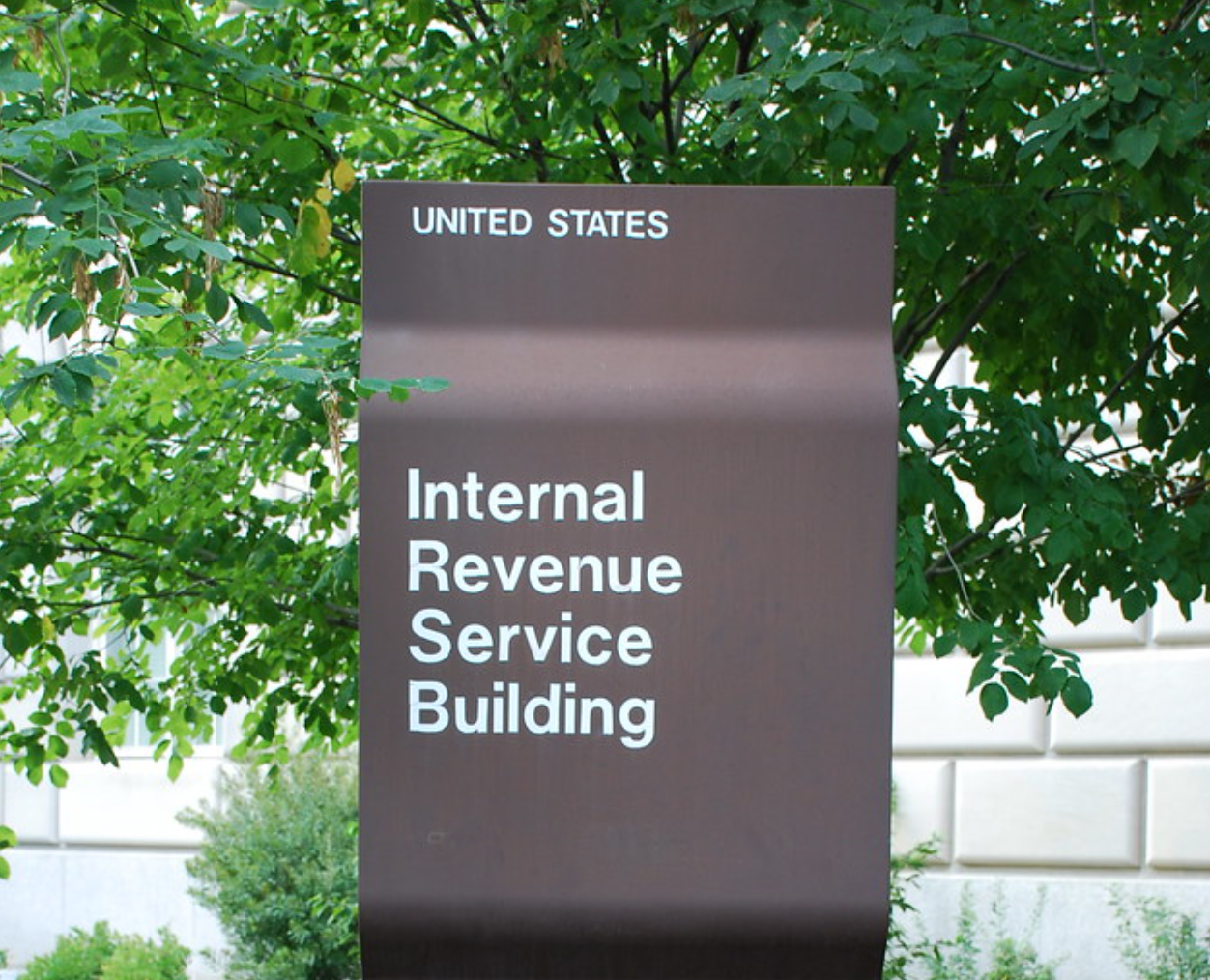
Photo credit: Jill_InspiredByDesign/iStock
_______
© 2026 The Salem News (Beverly, Mass.). Visit www.salemnews.com. Distributed by Tribune Content Agency, LLC.
Sign in to get access to this free resource, and all of our whitepapers and reports.

Download this content today!
Register Now Already registered? Click here to Log In