The Treasury Department and the IRS issued guidance on April 6 that provides states, the District of Columbia, and U.S. territories with procedures to nominate population census tracts to be designated as qualified opportunity zones under the One Big Beautiful Bill Act.
President Donald Trump’s 2025 tax law made permanent the tax breaks available to developers and qualifying businesses in opportunity zones.

“Under President Trump’s leadership, the Working Families Tax Cuts permanently renewed and strengthened Opportunity Zones, giving investors, entrepreneurs, and local leaders the long-term certainty they need to commit capital to communities that have been overlooked for too long,” Treasury Secretary Scott Bessent said in a statement. “This guidance is an important next step to continue driving private capital into productive investment, job creation, and opportunity to local communities across America.”
Revenue Procedure 2026-14, which describes the nomination process, also identifies the eligible population census tracts, including those that are comprised entirely of a rural area, which can be nominated by state governors to be designated as QOZs beginning in 2027.
“Permanently extending and expanding Qualified Opportunity Zones offers states an opportunity to attract long-term investment into underserved, rural, and economically distressed areas,” IRS CEO Frank Bisignano said in a statement. “The IRS works collaboratively with the Treasury Department and the states to ensure a smooth QOZ designation process, which in turn encourages investment in Qualified Opportunity Funds that spur economic development.”
New QOZ designations under the OBBBA
According to the IRS, a QOZ is an economically distressed area in which new investments, under certain conditions, may be eligible for preferential tax treatment. The OBBBA makes the QOZ tax incentive permanent.
The first round of QOZ designations following the enactment of the OBBBA will occur on Jan. 1, 2027, with new rounds following every 10 years. In addition, the OBBBA added tax benefits specific to investments made into QOZs that are comprised entirely of a rural area.
Recommended Articles
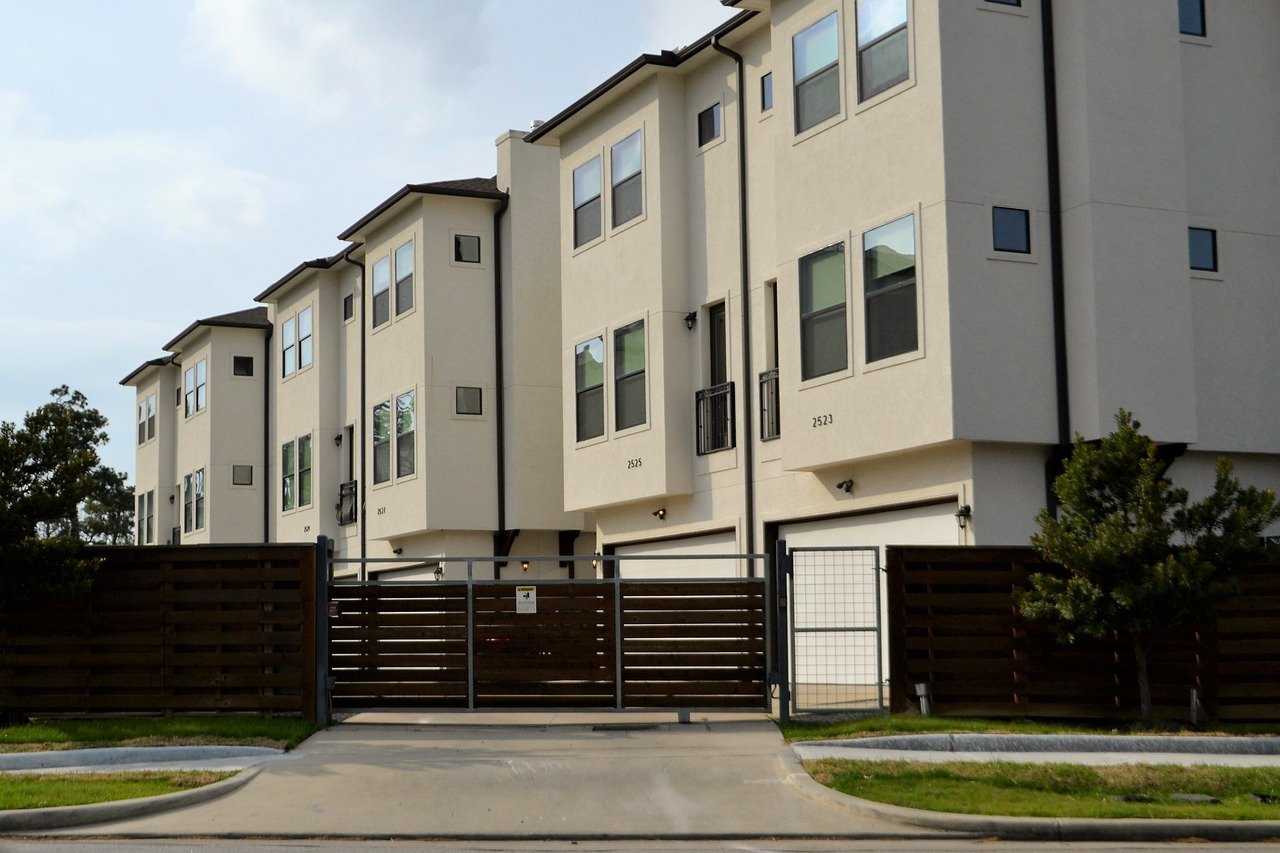


To be eligible for QOZ designation for 2027, a census tract must qualify as a low-income community. Rev. Proc. 2026-14 identifies 25,332 population census tracts that are low-income communities eligible for nomination as a QOZ. Of those, 8,334 tracts are comprised entirely of a rural area.
Under the law, the number of population census tracts in a state that may be designated as QOZs can’t exceed 25% of the number of low-income communities in the state, the IRS says. If a state contains 25 to 99 low-income communities, then a total of 25 eligible population census tracts can be designated. If a state contains fewer than 25 low-income communities, then all eligible population tracts within the state may be designated, the IRS says.
Beginning on July 1, 2026, and lasting a period of 90 days, subject to a single 30-day extension, state governors will be allowed to nominate eligible census tracts to be designated as QOZs. Following the nomination process, the Treasury secretary will certify and designate the nominated census tracts as QOZs, according to a media release.
The Treasury Department and the IRS expect to issue additional guidance identifying the designated QOZs following the conclusion of the nominations and designation process, prior to Jan. 1, 2027, the tax agency said.
To help with the nomination process, the IRS says online tools and resources will be rolled out to state governors in the coming months to ensure efficiency and accuracy of their nominations.
Photo credit: Westy72/iStock
Sign in to get access to this free resource, and all of our whitepapers and reports.

Download this content today!
Register Now Already registered? Click here to Log In