



Skylar Woodhouse and Gerson Freitas Jr.
Bloomberg News – (TNS)
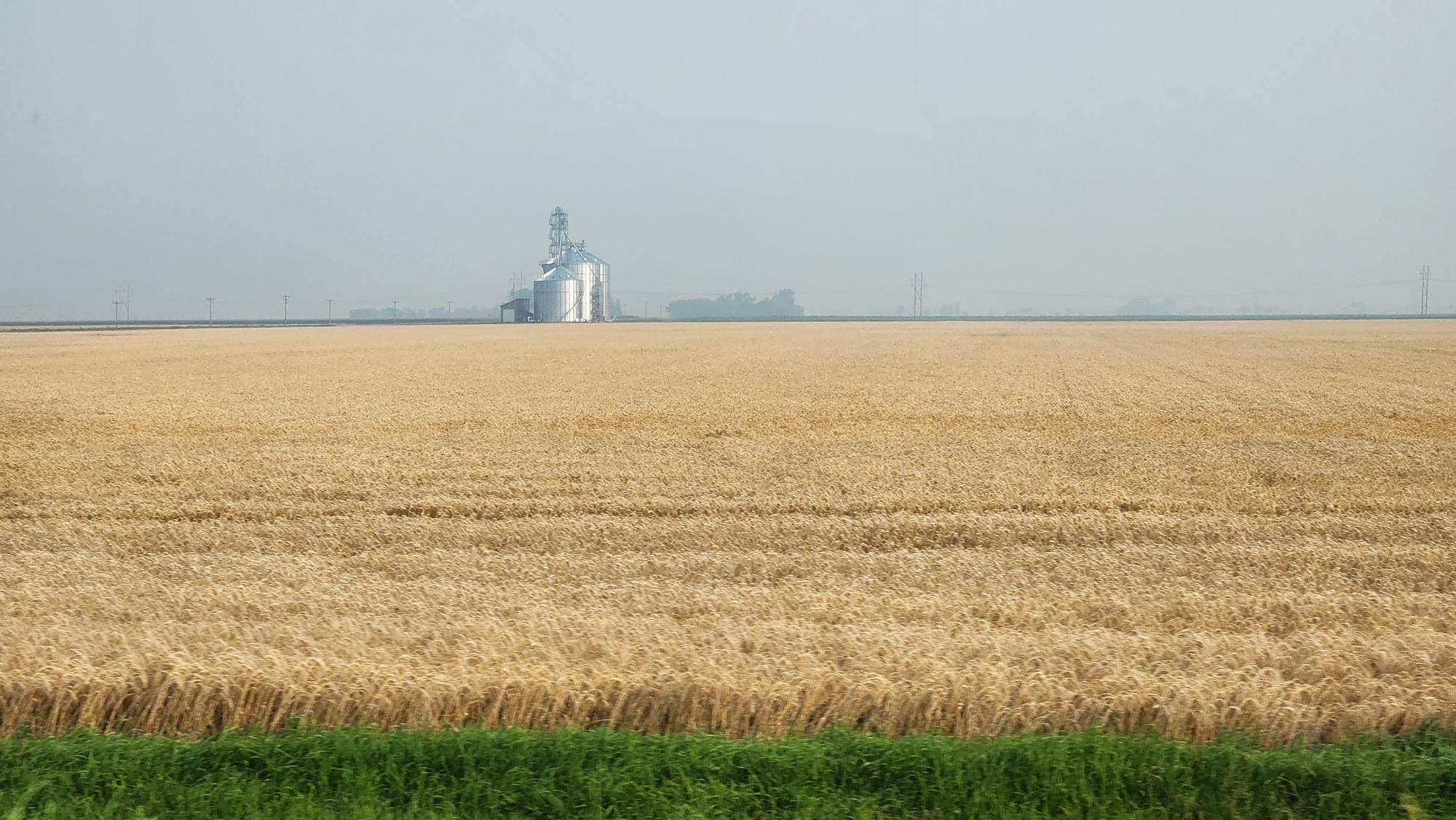
WASHINGTON — The Trump administration on Monday plans to unveil a long-awaited farm aid package, according Trump administration officials, offering $12 billion in assistance to a key base of support hit hard by low crop prices and the impact of the president’s tariff policies.
The aid will include up to $11 billion in one-time payments to crop farmers under the Department of Agriculture’s newly designed Farmer Bridge Assistance program, while the remaining is reserved for crops not covered under the FBA, according to one of the officials, who asked not to be identified as the information isn’t public.
Recommended Articles

Taxes September 28, 2026
IRS Issues Proposed Farmland Installment Tax Payment Regs
Farmers with an adjusted gross income average below $900,000 for the 2022-24 tax years are eligible and will have until Dec. 19 to submit acreage reporting data to determine their payment amount, according to another official. Rates will be released by month’s end. The administration expects to distribute the assistance no later than the end of February 2026, though it could come earlier, the person said.
The aid comes amid rising frustration among farmers on the slow pace of Chinese purchases, which Beijing clamped down on earlier this year in retaliation for Trump’s escalating tariff barrage.
President Donald Trump plans to announce the package Monday afternoon in Washington during an event with corn, cotton, sorghum, soybean, rice, cattle, wheat and potato farmers, alongside Treasury Secretary Scott Bessent and Agriculture Secretary Brooke Rollins, according to the official.
The action echoes support Trump offered during his first term, when the United States and China were also locked in a trade war, and comes amid mounting frustration from lawmakers in the president’s own party over the economic pain farmers are experiencing and growing calls to address the issue ahead of next year’s midterm elections.
Farming communities, which voted overwhelmingly for Trump in the 2024 election, have seen export markets for many crops dry up, particularly soybeans, as Chinese purchases stalled earlier this year. While the administration has scaled back federal safety net programs in the president’s second term, it included fresh funds for farmers in Trump’s signature government spending bill earlier this year.
Soybean purchases have since gradually ramped up after an agreement in late October between Trump and Chinese President Xi Jinping. China last month made its biggest daily buy of American soybeans in two years, and the total volume sold to the Asian nation since Oct. 30 has so far amounted to about 2.8 million tons, according to the U.S. Department of Agriculture.
But current quantities are still short of what American farmers are hoping to ship abroad, and far behind the 12 million tons of U.S. soybeans the U.S. said China will buy by the end of February — a target Bessent last week said Beijing is on track to meet. Last year, the U.S. made up one-fifth of China’s soybean imports, worth more than $12 billion.
U.S. Trade Representative Jamieson Greer said in a television interview Sunday that China has been complying with the terms of their trade agreement, adding that Beijing is about “a third” through its soybean purchase commitments for this growing season.
The funds for the new program have been authorized under the Commodity Credit Corporation Charter Act and will be administered by the Farm Service Agency, according to the official.
Trump had earlier floated a plan to use tariff revenue for the program, the announcement of which had been delayed by a government shutdown.
During his first term, Trump handed out $28 billion to farmers in 2018 and 2019 to make up for losses from a tariff spat with China. While the aid gave producers short-term financial relief, the trade war had lasting consequences, pushing China to gradually deepen its reliance on Brazil to meet its soybean demand over the past few years.
Even with a runup in soybean futures over the past month on China trade hopes, crop prices are still close to the lowest levels since 2020, eroding farmers’ income at a time when costs including fertilizers are climbing.
In March, the USDA announced a plan to pay farmers as much as $10 billion under the so-called Emergency Commodity Assistance Program, which was authorized by Congress in late 2024 to help mitigate the impact of increased input costs and falling commodity prices. More than $9 billion has been paid out as of Nov. 23, with corn and soybean farmers receiving the bulk of the funds, according to USDA data.
Trump has also criticized his predecessor, former President Joe Biden, of doing nothing to “enforce” a soybean purchase agreement that was included in a so-called Phase One trade deal with China. That deal was negotiated during Trump’s first term.
_____
(With assistance from Enda Curran, Ilena Peng, Tyler Kendall, Ramsey Al-Rikabi and Meghashyam Mali.)
___
©2025 Bloomberg L.P. Visit bloomberg.com. Distributed by Tribune Content Agency, LLC.
Sign in to get access to this free resource, and all of our whitepapers and reports.

Download this content today!
Register Now Already registered? Click here to Log In
Tags: bailout, carm news, economy, farm bailout, farm subsidies, farmers, farming, farms, Small Business, soybeans