The IRS issued frequently asked questions on Oct. 22 about how the One Big Beautiful Bill Act affects the Employee Retention Credit, along with answers to seven other queries about the pandemic-era tax credit.
The FAQs, which are included in Fact Sheet 2025-07, address the limitation on credits and refunds for ERCs claimed for the third and fourth quarters of 2021 that were filed after Jan. 31, 2024.
The ERC is a refundable tax credit that was enacted during the height of the COVID-19 pandemic to encourage businesses to keep their employees on payroll. However, the program became inundated with fraud—much of which the IRS has blamed on aggressive marketing tactics and misleading claims by so-called ERC mills, which encouraged ineligible businesses to apply for the credit.
Recommended Articles

Taxes October 23, 2025
IRS Issues New FAQs on $20,000 Form 1099-K Threshold Under OBBBA
Eligible employers could claim the ERC on an original or amended employment tax return for qualified wages paid between March 13, 2020, and Dec. 31, 2021. However, lawmakers gave businesses until April 15, 2024, to file refund claims for 2020, and April 15, 2025, to file claims for 2021.
So, how does the OBBBA affect the ERC? The IRS provided the following answer in the fact sheet:
“The One, Big, Beautiful Bill Act (OBBBA) introduced new enforcement provisions affecting the ERC. One of these provisions, section 70605(d) of the OBBBA, prevents the IRS from allowing or refunding ERCs after July 4, 2025, for the third and fourth quarters of 2021 if those claims were filed after January 31, 2024, even if you otherwise met eligibility requirements. Other parts of the bill strengthen compliance enforcement by imposing penalties on certain promoters of the ERC who fail to meet due diligence requirements when assisting with certain credit claims.”
Another question: What if I filed a return claiming an ERC for the third or fourth quarter of 2021 after January 31, 2024, and I already got my refund—will I get a bill from the IRS? The IRS’s response:
“Generally, no. If your claim was filed after January 31, 2024, but was refunded or credited before July 4, 2025, section 70605(d) does not apply to your claim. However, other IRS compliance activities may still result in an adjustment or bill.”
Here’s one more question: What if I claimed an ERC for the third or fourth quarter of 2021 on or before January 31, 2024, and then filed an amended return withdrawing the claimed ERC after January 31, 2024, for the same period?
The IRS responded, “Section 70605(d) does not apply to your amended return. Accordingly, the IRS will process your amended return withdrawing the claimed ERC.”
The IRS offered businesses a voluntary disclosure program in which businesses that incorrectly claimed the ERC could voluntarily return the refunds they received at a discount without having to pay any penalties or interest—or worry about being audited.
Recommended Articles
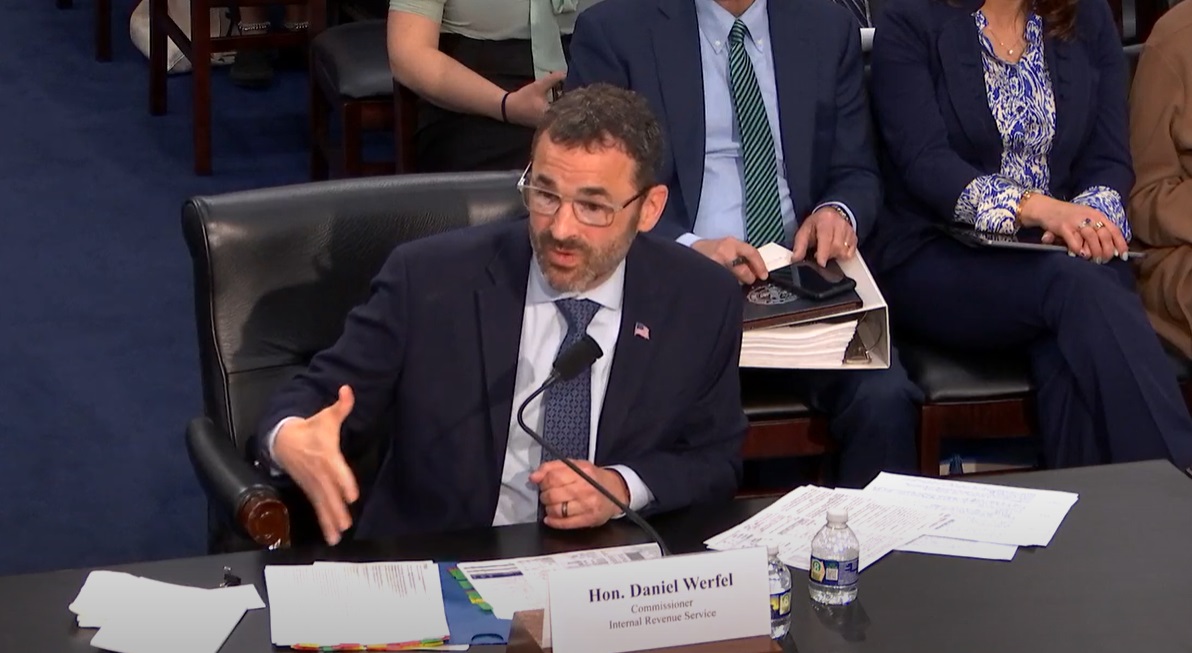
In May 2024, Danny Werfel, who was IRS commissioner at the time, told House lawmakers almost $400 million in unpaid ERC claims had been withdrawn by taxpayers.
The fact sheet also addresses what appeals rights are available to businesses if an ERC claimed on a return is disallowed.
A general overview of taxpayer reliance on guidance published in the Internal Revenue Bulletin and FAQs can be found here.
Photo credit: Mandel Ngan/AFP/Getty Images/TNS
Sign in to get access to this free resource, and all of our whitepapers and reports.

Download this content today!
Register Now Already registered? Click here to Log In