



By Pablo Martell, CPA, Founder and CEO, Alpine Mar.
New CPA licensure laws, designed to reduce the financial and logistical barriers limiting the supply of qualified professionals amid a growing talent shortage, are gaining traction. Currently, the number of U.S. states offering alternative pathways to CPA licensure is nearing the halfway point. Is this a good sign that the industry is well on the path to alleviating the nationwide accounting skills shortage?
Not necessarily. In fact, many CPAs (including myself) believe these laws are altogether wrong in helping attract and develop new talent, for several reasons:
They Fail to Address the Real Problems: The requirement of passing the uniform CPA exam isn’t going anywhere, and the process for passing all four sections is a long one, with overall required study time estimated to be 320 – 420 hours. While many states allow students to take at least one section during their senior year in college, the rest will need to be taken post-graduation – when most candidates are out in the working world.

Most people simply cannot afford the luxury of extended time off to focus exclusively on studying without work distractions (and even if you can afford it, you’ll be delaying the work requirement and therefore the overall licensure process, which may not be ideal). Furthermore, many people are dependent on employers to cover exam and review course fees. All of this means, most candidates are looking at the prospect of intense studying while working, all while balancing other wants and needs like social life, fitness and more.
This is not to say I think the exam should be abolished – it remains an honorable, widely respected credential validating and upholding the integrity of the industry. But a jam-packed schedule of studying and working can be grueling for the hardiest among us. Reducing the education requirement by 30 credits and supplanting this with the option of an extra year of work may alleviate financial pressures for some. But for many candidates, the trade-off – a prolonged period of stress lasting several months (at best) or even years (more likely, given that scheduling for exam sections may need to be interspersed fairly widely to avoid work conflicts like tax season) – won’t be a worthwhile bargain.
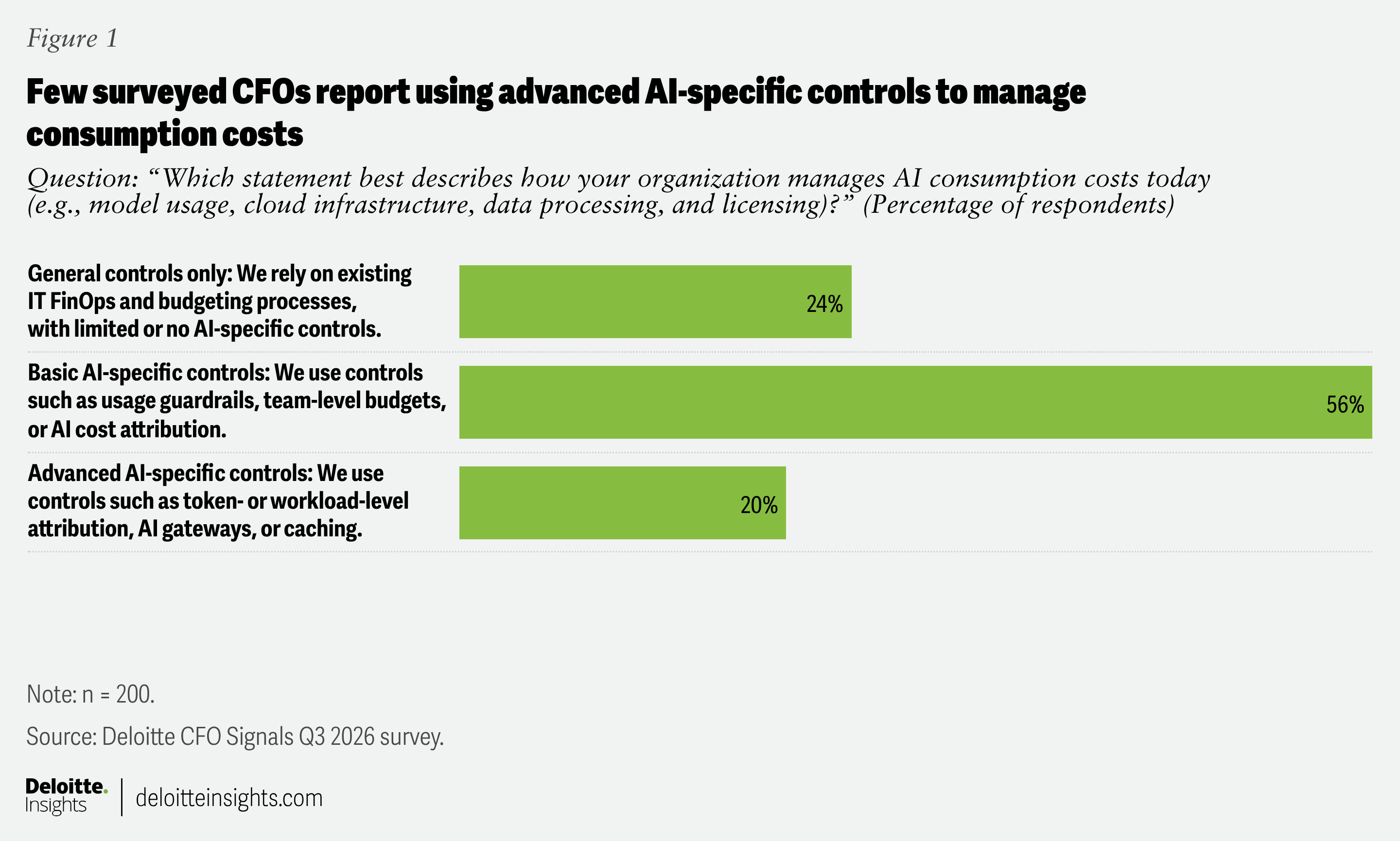
Besides the CPA exam, the industry is facing another major deterrent – a perceived lack of jobs and job security. Big Four firms’ recent announcements of plans to cut college graduate entry-level hiring over the next several years could suggest fewer job opportunities, as does the increased adoption of AI, which is reducing these firms’ dependency on new hires. With a growing number of Americans believing AI will negatively impact the job market, “AI anxiety” is real and pervasive, including in the CPA industry.
They May Actually Create More Problems and Complexity Than They Fix: A common concern is that new CPA licensure laws could lower the bar for knowledge and excellence – thus watering down talent. However, another looming problem is that variable law adoption across states could lead to a complex patchwork of perceived competency, which in turn could significantly impact mobility, or practice privileges.
As of today, the majority of states operate under the principle of substantial equivalency, meaning that a state’s board of accountancy or its delegate determines which states are “substantially equivalent” – comparable to or exceeding the standards set by the Uniform Accountancy Act (UAA). For those states operating under substantial equivalency, there’s a risk that when the bachelor’s degree option of the new CPA licensure laws are implemented, CPAs in states making this shift will not have mobility in all states.
Potential limits on mobility could be viewed as another drawback to becoming a CPA. Who wants to put in all that work for a credential that may be worthless, should someone want or need to move across state lines? Who wants to have their overall life options restricted in this way? Ironically, states offering the bachelor’s degree option as a means of attracting more potential CPA talent, may actually be discouraging it.
What Should Be Happening Instead
While the new CPA licensure laws may be well-intentioned, I believe they are ineffectual, and would encourage these tactics instead:
Re-imagine the Entry Level Role: Many would-be CPA candidates fear that AI will replace them by automating entry-level tasks such as data entry, transaction categorization, bank reconciliation and more. This apprehension is understandable, but we need to shift the thinking away from AI replacing entry-level workers to augmenting and changing the entry-level role. We need to encourage entry-level workers to view AI as a means of accelerating their careers and moving up the ladder faster, allowing them to engage in higher-value activities, critical thinking and client relationships, sooner.
At our firm, we offer an “AI stipend” to workers so they can experiment with various tools and become “power users.” It has been said that AI won’t replace entry-level accountants, but one entry-level worker using AI will replace 10 or even 20 who don’t use it. In this sense, AI can help whittle down the strongest and most promising CPA candidates – the ones that more experienced CPAs should be focused on developing. If the industry adopts this viewpoint as a whole, we can avoid the major mid-level talent gap that’s currently expected in about five years while identifying and nurturing the best and the brightest.
Show Them What’s Possible: The CPA industry “needs a new mascot” – a replacement for its current representative character which is outdated, unengaging and uninspiring. The current industry perception – monotonous, modest pay, and little opportunity for major financial success – needs to change. We need to highlight examples of how careers originating in accounting can ultimately lay the foundation for much bigger opportunities, like investment banking, where understanding the tax aspects of mergers, acquisitions, and restructuring is critical.
CPA Licensing Done on a Federal Level: This may be a bold recommendation, but I believe the time has come. State-level licensing traces its roots back to the U.S. Constitution’s 10th Amendment, which gave states the authority to regulate professions to protect the public’s health, safety, and welfare. At the time, it was believed that local oversight would allow for more direct investigation and discipline of accountants who violate regulations, helping maintain public trust. This localized approach may have been appropriate in a bygone era, but today, it’s antiquated and does little besides creating potential hurdles to cross-state practice.
With the government’s new HIRE bill and updates to H-1B visa fees, the writing on the wall. As a profession, we need to do a better job attracting and developing new talent, domestically. However, the new CPA licensure laws may not be the answer, and we may need to dramatically re-think our approach.
Pablo Martell, CPA, is founder and CEO of Alpine Mar.
Sign in to get access to this free resource, and all of our whitepapers and reports.

Download this content today!
Register Now Already registered? Click here to Log In


John V October 3 2025 at 4:24 am
As regards the author's first point concerning the issue about studying for the exam after graduating and while working, I did exactly that about 35 years ago. I also took a prep course that met three nights a week. Yes, handling all of that while working was often grueling, but let's be real - newly licensed CPAs are going to face a similar grueling work schedule once in the real world. There's simply no getting around that. In my opinion, it's far better they learn that reality early on.