



By Kaylee Remington
cleveland.com
(TNS)
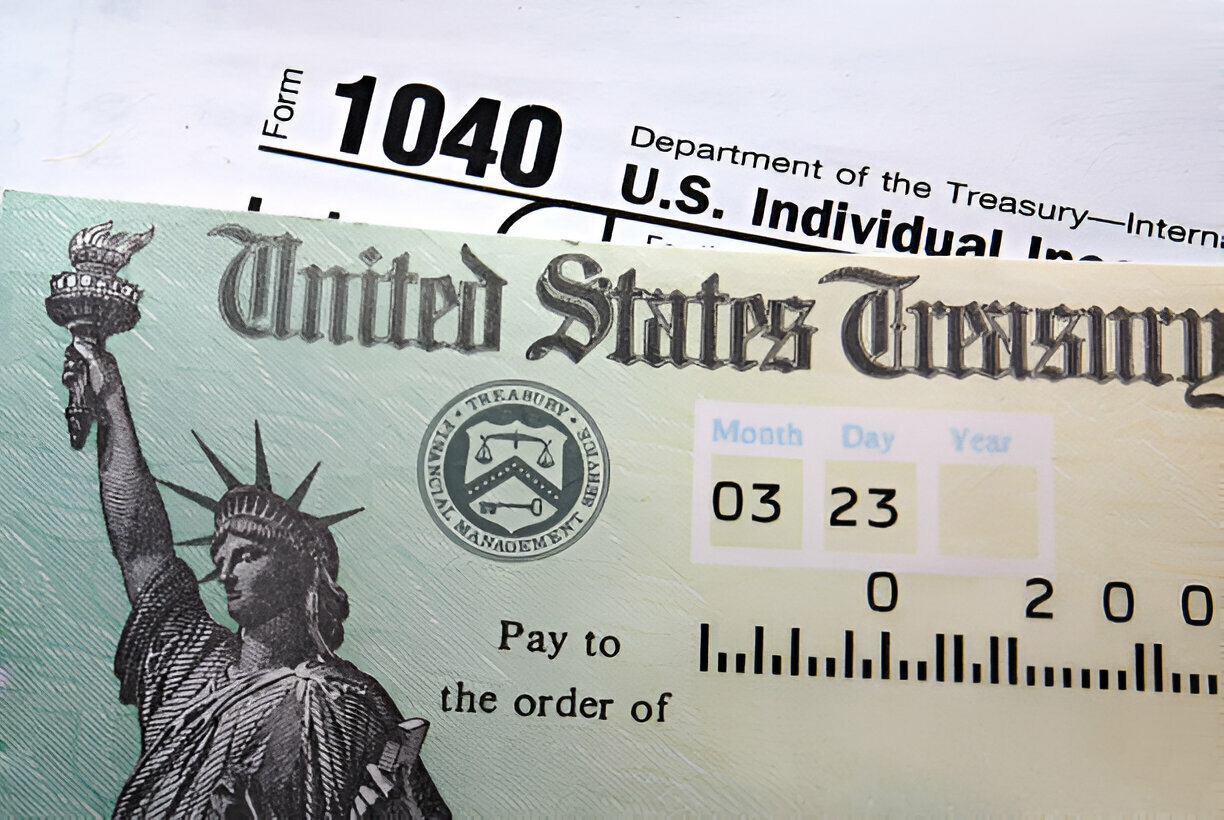
WASHINGTON, D.C. — The IRS will begin phasing out paper tax refund checks for taxpayers starting Sept. 30, marking a major shift toward electronic payments, the agency said in a news release.
The change, required by an executive order in March, is aimed at improving security, speeding up refunds and cutting costs, the IRS said Tuesday.
The executive order means the U.S. Department of the Treasury will modernize the government’s payment infrastructure and “enhance its ability to prevent waste, fraud and abuse.”
- Related article: IRS and Federal Government Will Stop Accepting Paper Checks as Payments
- Related article: AICPA Makes Recommendations as Treasury and IRS Transition to Electronic Payment and Disbursement System
- Related article: Trump Orders Treasury and IRS to Eliminate Paper Checks
The IRS will issue detailed guidance for 2025 tax returns before the 2026 filing season begins. For now, taxpayers should continue using current forms and procedures, including those filing 2024 returns on extension before Dec. 31.
According to the release, the move is designed to protect taxpayers from fraud and delays. Paper checks are more than 16 times as likely to be lost, stolen or altered compared with electronic payments. Direct deposit also eliminates the risk of checks being returned as undeliverable.
Electronic refunds also mean faster access to money. Taxpayers who file electronically and choose direct deposit typically receive refunds in less than 21 days, while paper checks can take six weeks or longer, the IRS said.
Most taxpayers already receive refunds electronically. According to the IRS, during the 2025 filing season, the agency issued more than 93.5 million refunds, and 93% were delivered through direct deposit. Only 7% of people’s refunds were sent by mail.
For those without bank accounts, the IRS said it plans to offer alternatives such as prepaid debit cards, digital wallets and limited exceptions. Taxpayers are encouraged to confirm their banking information or consider opening a free or low-cost account through resources like FDIC’s GetBanked or MyCreditUnion.gov.
Photo credit: agshotime/iStock
_______
©2025 Advance Local Media LLC. Visit cleveland.com. Distributed by Tribune Content Agency LLC.
Sign in to get access to this free resource, and all of our whitepapers and reports.

Download this content today!
Register Now Already registered? Click here to Log In