



By Aimee Green
oregonlive.com
(TNS)
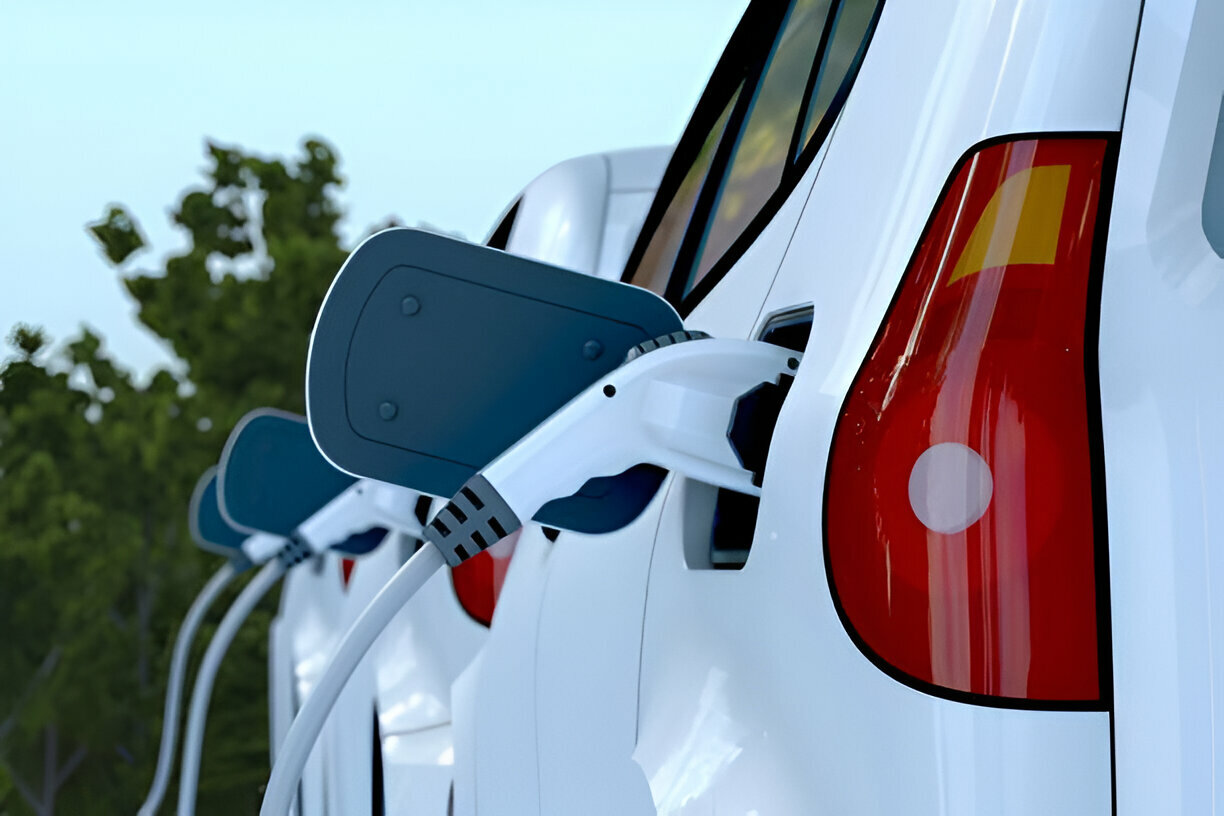
Katie Larsell and Michael Schilmoeller adore the electric vehicle they bought in late August—a full month before the federal $7,500 tax credit is set to expire on Sept. 30—but not the big headache that came with it.
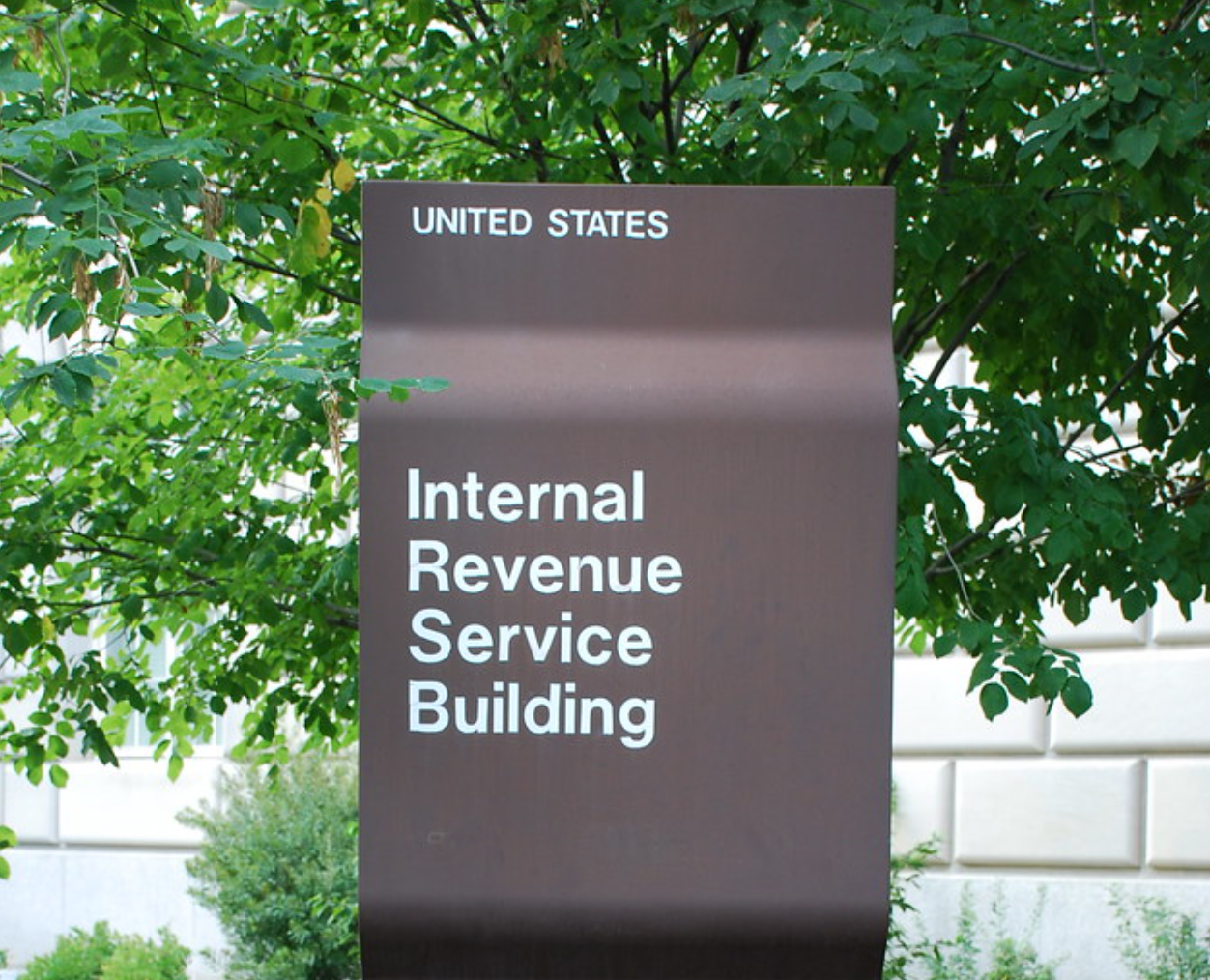
The Northeast Portland couple said they had to go to great lengths to ensure that they secured the tax credit that is supposed to come with each purchase of a qualifying EV. That’s because, they say, the Gresham dealership they patronized didn’t file the required paperwork with the IRS.
“I really had to push,” Larsell told The Oregonian/OregonLive, adding that the salesperson told her the paperwork was unnecessary. “The way this went, it was almost like they didn’t know about it.”
Larsell and Schilmoeller were unlucky to fall into a hole that other buyers of electric vehicles in Oregon and across the nation have also found themselves in. The National Auto Dealers Association earlier this year warned dealerships about this paperwork pitfall. The IRS, too, has issued instructions for two consecutive years as it has extended the window for dealerships to file paperwork that’s required so car buyers don’t miss out on the tax credit.
But apparently the same mistake keeps happening, again and again.
Larsell, a former Parkrose School Board member and current community minister at Eastrose Fellowship Unitarian Universalist, was worried enough that others might encounter the same troubles that she called The Oregonian/OregonLive to share her experience.
Recommended Articles


Accounting October 15, 2025
GM Reports $1.6B Hit From Now-Unused EV Investments
Taxes October 8, 2025
GM Cuts Short EV Tax Credit Extension Program
She also contacted friends who she knew bought the same car, a Kia EV6, from a different dealership last spring. Those friends—Gresham residents Richard Curtis and Jan Apland-Curtis—told The Oregonian/OregonLive that thanks to Larsell, they also discovered their dealership had failed to file the proper paperwork, putting them at risk of losing out on their $7,500 as well.
The couple said they spent a few months researching the purchase of a new EV. When they settled on a model, they figured they had everything they needed to get their $7,500 tax credit come tax filing season in early 2026. Little did they know, they would have had an unpleasant suprise waiting for them, if Larsell hadn’t reached out.
“We were blindsided,” Curtis said. “We said, ‘No, that can’t be right.’”
But it was.
Here’s what happened in each of their cases and how you, if you’re one of Oregon’s 2025 buyers of an electric vehicle, can avoid this bombshell before filing your taxes early next year:
According to the IRS, all buyers of new EVs qualify for the $7,500 tax credit only after the dealership gives them a “time-of-sale report” and a “copy of confirmation” showing that the dealership successfully entered the time-of-sale report into an IRS portal. (The same process is required for a customer to receive a $4,000 tax credit upon buying a used EV from a dealer.)
Since Jan. 1, 2024, the IRS has been requiring dealerships to complete these tasks within three days of the sale, according to step-by-step rules laid out on the IRS’s website. But because so many dealerships haven’t followed through, the IRS told The Oregonian/OregonLive that it has allowed for exceptions to the three-day time limit as long as dealerships provide a reason for blowing past it.
That’s key, because that’s what saved both couples—Larsell and Schilmoeller, and Curtis and Apland-Curtis—from missing out on the federal credit.
Larsell said when she and her husband bought their Kia on Aug. 26, they had no problem securing the state’s $2,500 EV rebate because the dealership immediately applied it to the sale price of her car. (The state EV rebate expired Sept. 8.)
But when it came to the $7,500 federal tax credit, Larsell said she told the salesperson at Weston Kia in Gresham that she thought they needed “some sort of report” in order to claim the credit. Larsell said the salesperson assured her that they didn’t and that they’d get their tax credit when filing their 2025 taxes next year.
Larsell said it wasn’t until the next week that she revisited the IRS website, realized the report was called a “time-of-sale report” and asked Schilmoeller to give her the stack of paperwork they’d taken home from the dealership. The report wasn’t there. And the IRS’ mandatory three-day time limit had already passed.
“The fact that this was an IRS thing made my heart sink,” Larsell said.
Larsell said she called the dealership and again the salesperson thought it was a non-issue. But she pressed: “I said, ‘This is really serious.’ I kind of went into a little rant.” Eventually, Larsell said, she was dealing with Jacob Weston, vice president of operations and grandson of the 50-year-old dealership’s founder. It wasn’t until 16 days after Larsell and her husband bought the EV that they finally had the time-of-sale report in hand, Larsell said.
Weston declined to talk to The Oregonian/OregonLive about his interactions with Larsell. That includes whether she was a customer, though she provided The Oregonian/OregonLive with documentation that she purchased her Kia EV6 there. Specifically, Weston declined to answer questions about whether the dealership had failed to report the sale to the IRS and give Larsell a time-of-sale report until she asked for one.
“I’m not going to discuss customer interactions with anybody, we value our customer privacy. We’d extend you the same courtesy obviously if you were a customer of ours,” Weston told The Oregonian/OregonLive.
But Weston did say, in general, his company has known since the tax credit began what it needed to do to ensure that customers get their $7,500 federal tax credits. At times, he said, he has encountered delays on the IRS’s side in accepting the information his dealership provided.
In the case of Curtis and Apland-Curtis, after Larsell told them about her troubles, they contacted the dealership where they purchased their EV—Power Kia in Salem—to ask for their time-of-sale report and confirmation. After a few weeks of texts, emails and a phone call—and a few non-responses—Curtis said they finally got theirs in hand, too, last week.
“It’s just maddening,” Curtis said.
Power Kia’s general manager didn’t respond to a phone message and an email from The Oregonian/OregonLive seeking comment.
Apland-Curtis said she hates to think of how many other recent EV buyers might be in for a shock.
“We think this is happening to a lot of people, and it doesn’t feel fair to the consumer,” Apland-Curtis said.
Photo credit: Tramino/iStock
_______
©2025 Advance Local Media LLC. Visit oregonlive.com. Distributed by Tribune Content Agency LLC.
Sign in to get access to this free resource, and all of our whitepapers and reports.

Download this content today!
Register Now Already registered? Click here to Log In