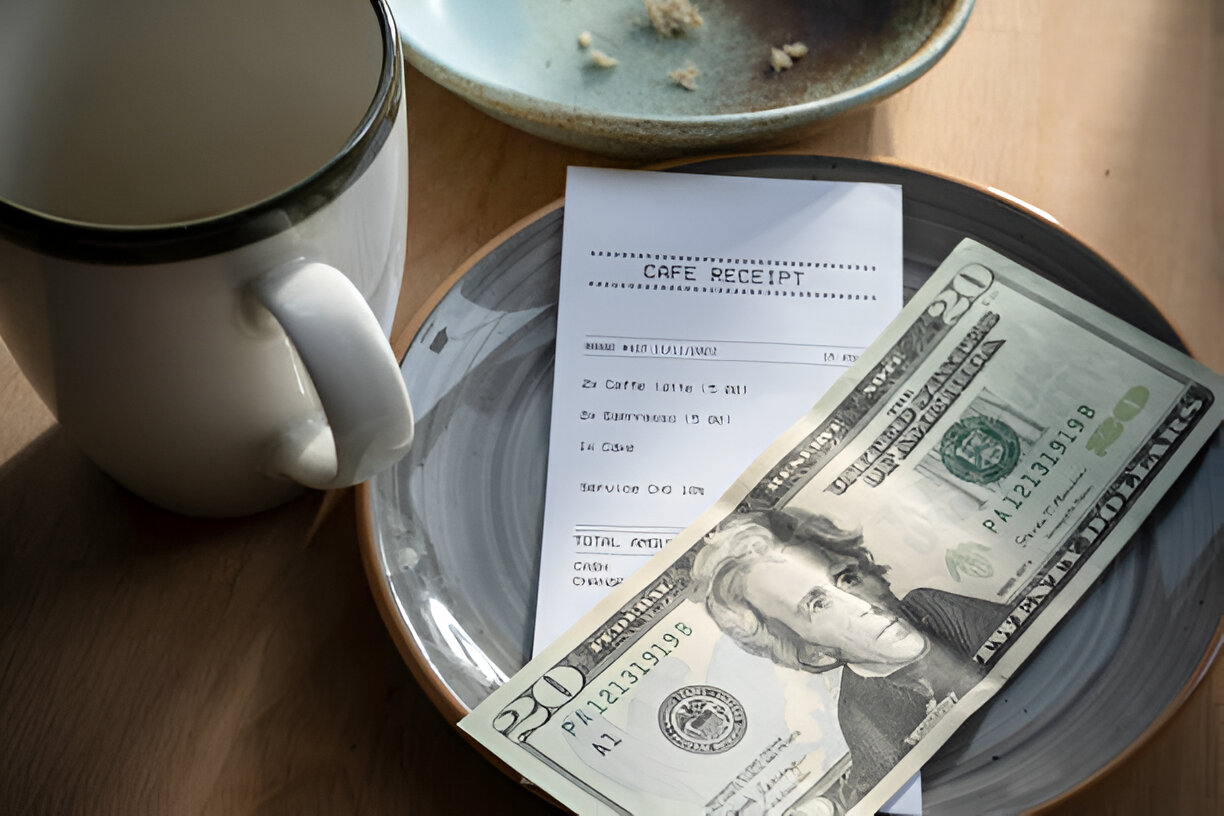




People who work in certain industries or professions frequently receive tips for the services they provide. It could be a substantial part of their income that is normally subject to federal income tax. But now the new tax law—the One Big Beautiful Bill Act (OBBBA)—creates a limited tax deduction for tips received by workers, beginning in 2025.
However, this new tax break is only temporary. It is schedule to expire after 2028, unless Congress extends it in the interim.
[This is part of a Special Series on the tax changes made by the One Big Beautiful Bill Act, which was enacted in July 2025. It includes a wide range of changes to individual and corporate taxes, deductions, credits, forms and other topics, that affect tax filing starting this year into the future.]
Basic premise: As opposed to regular wages, tips are usually discretionary or optional payments determined by a customer. All tips received by employees are normally subject to both federal and state income taxes. The list of tips for federal income tax purposes includes:
- Cash tips received directly from customers.
- Tips from customers who leave a tip through electronic settlement or payment. This includes a credit card, debit card, gift card or any other electronic payment method.
- The value of any noncash tips like tickets or other items of value.
- Tip amounts received from other employees paid out through tip pools, tip splitting, or other formal/informal tip sharing arrangement.
In addition, tips are subject to federal payroll taxes. Both employees and employers must meet substantial reporting requirements relating to the payment and receipt of tips. And the IRS may dispute claims if it suspects that employees are being paid “under the table.”
Recommended Articles

Taxes September 28, 2026
IRS Issues Proposed Farmland Installment Tax Payment Regs

Legislation September 24, 2026
Bill to Reverse Change Made to Gambling Tax Code Advances in House
New rules: As with overtime pay, the OBBBA creates a new above-the-line deduction of up to $25,000 for qualified tips received. Also, like the overtime pay deduction, this tax break is phased out for tips received by single filers with a modified adjusted gross income (MAGI) above $150,000 or $300,000 for joint filers. The deduction is reduced by $100 for each $1,000 above the threshold.
Note that the deduction is only available for tips received in industries where the practice is commonplace. The Treasury Department has published a list of occupations that qualify.
The tip deduction may also be claimed by self-employed individuals and independent contractors who pocket tips in the course of their normal business activities. But the deduction is limited to the extent that their business income (including tips) exceeds their otherwise allowable deductions. This affects many workers in the gig economy,
Finally, the OBBBA broadens a special employer credit for federal payroll taxes paid on tips. Currently, the credit only applies to tips to workers in the food and beverage industries, but the new law extends it to tips paid to workers providing services like hair and nail care and spa treatments. Expect the IRS to weigh in shortly with more guidance on this and other related issues.
Remember that the tip deduction may be claimed whether or not workers itemize, but it is scheduled to expire after 2028.
Bottom line: Employers may have to revamp their recordkeeping practices in the wake of the new law as will employees and self-employed individuals. Clients will likely be reaching out to you for your expert assistance in this area. Note that there is a new field on the 2026 W-2 form for the new Treasury Tipped Allocation Code.
Sign in to get access to this free resource, and all of our whitepapers and reports.

Download this content today!
Register Now Already registered? Click here to Log In