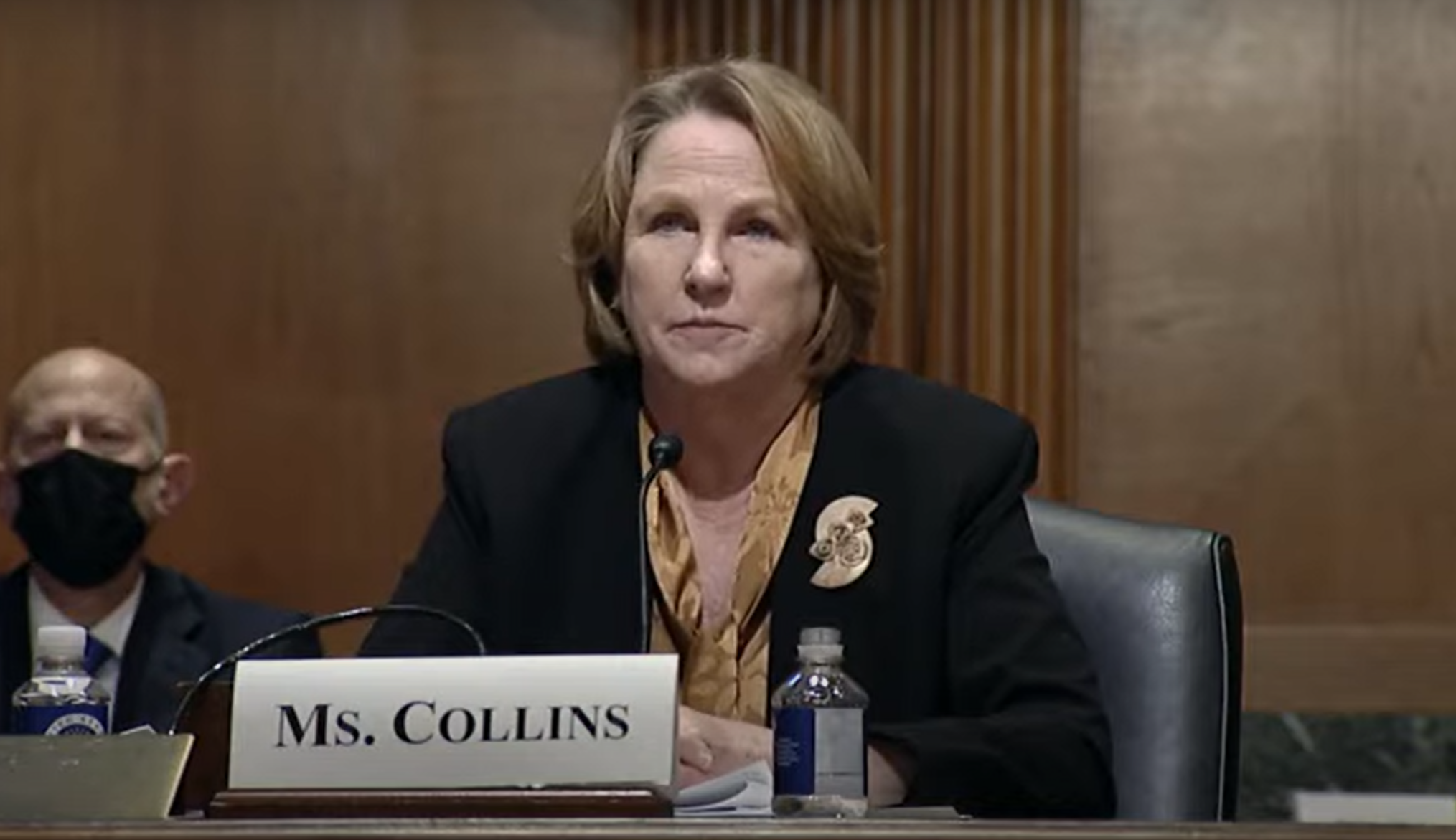




The IRS Independent Office of Appeals recently issued internal guidance reminding employees that they should share a copy of the Appeals case memorandum with taxpayers who make an informal request for the document, National Taxpayer Advocate Erin Collins said in a recent blog post.
Appeals routinely shares the ACM, which explains how and why an Appeals officer came to a final determination, with IRS compliance personnel but historically hasn’t done so with the taxpayer in examination appeal cases, Collins noted.
She said she has urged Appeals for several years to provide taxpayers with a copy of the ACM at the conclusion of every case.
“As the National Taxpayer Advocate, I have raised this issue in multiple Annual Reports to Congress and in this blog, emphasizing that withholding the ACM from taxpayers undermines both the independence and transparency of Appeals,” Collins wrote in a Aug. 12 blog post. “Over the years I have heard from many taxpayers and practitioners that Appeals routinely refuses informal requests for ACMs, often citing an alleged policy against sharing them. However, this is a misstatement of existing IRS policy. For over a decade, Internal Revenue Manual (IRM) 8.1.1.6.4(2) has made clear that taxpayers may informally request ACMs and that these documents are not categorically exempt from disclosure.”
She calls the recent ACM internal guidance “a meaningful step toward transparency and a welcome development for taxpayer rights.”
“While it falls short of my recommendation that Appeals automatically share ACMs at the close of each case, the reaffirmation of this right sends a strong message: The Appeals process must be open and accountable to the taxpayers it serves,” Collins wrote.
The ACM is more than a routine administrative document—it’s the written analysis prepared by an Appeals officer detailing the facts, legal conclusions, and rationale behind their proposed resolution for review by the manager, Collins wrote.
Historically, Appeals shares the ACM with the originating IRS examination division to explain how the issues were resolved, which helps inform future enforcement actions. However, when Appeals denies access to this memo, taxpayers may be left without a clear understanding of why their appeal was decided a certain way or what was shared with the IRS compliance team,” she continued.
“Transparency is the cornerstone of public trust. Taxpayers are more likely to accept an adverse decision when they understand the rationale behind it,” Collins wrote. “Conversely, opaque decisions that lack explanation can increase frustration and lead to costly litigation that might otherwise be avoided. Taxpayers have a right to obtain a thorough explanation from the Appeals Office both during settlement discussion and with their ACM write-up. Providing taxpayers a copy of their ACM reinforces their right to be informed and supports taxpayer compliance.”
According to the blog post, Appeals reminded staff that ACMs aren’t fully exempt from disclosure and that taxpayers may request them informally. The announcement directs Appeals technical employees, such as Appeals officers, settlement officers, and Appeals team case leaders, to follow the procedures in IRM 8.1.1.6.4(2), which requires coordination with area counsel and the local disclosure officer to determine which portions of the ACM Appeals must redact.
“This clarification reaffirms that the longstanding policy is to share ACMs upon request—a fact too often ignored in past practice,” Collins wrote. “This is an important course correction. It puts Appeals employees on notice that blanket refusals to share ACMs are inconsistent with the IRM and inconsistent with taxpayer rights. It also sends a clear signal to taxpayers and their representatives that they have the right to ask for and receive this critical document.
“While I will continue to advocate for automatic disclosure of ACMs in every case, this reaffirmation of the informal request policy is a good first step,” she continued. “It demonstrates that Appeals is listening to stakeholders and willing to promote greater openness in its proceedings.”
Despite this positive development, Collins wrote that she still has three concerns that need to be resolved:
1. There’s currently no indication that Appeals has implemented a system to track whether it’s fulfilling ACM requests: Without data collection, there’s no way to determine whether Appeals is following the updated guidance or to assess the frequency and nature of denials, she wrote. Appeals should establish clear metrics to monitor compliance, including how often taxpayers request ACMs, how often Appeals shares them, and whether Appeals is applying redactions appropriately.
2. Appeals could redact ACMs so heavily as to be useless to the taxpayer: While the IRM requires that Appeals coordinate redactions with disclosure and counsel, it doesn’t set standards for ensuring that the final product remains meaningful, Collins wrote.
“Excessive redaction defeats the purpose of the policy,” she said. “If taxpayers receive a blacked-out document with little substantive content, the promise of transparency is hollow. Appeals should adopt internal standards to ensure that it narrowly tailors redactions and preserves the essence of the analysis.”
3. Taxpayer awareness: Even with the new guidance in place, many taxpayers might never benefit from it because they don’t know the ACM exists or that they can ask for a copy. There’s currently no standard notice to inform taxpayers of this right, and Appeals’ closing letters don’t include such language. As a result, only well-informed taxpayers or those represented by experienced tax practitioners are likely to benefit, Collins noted.
“Appeals should take proactive steps to ensure taxpayers are informed,” she wrote. “This could include a simple statement in closing letters, such as: ‘At the conclusion of your case, you may request a copy of the Appeals Case Memorandum. This document will explain how and why Appeals decided your matter in the way they did.'”
As an independent forum for resolving disputes, Appeals must uphold the highest standards of fairness and transparency, Collins wrote. Ensuring that taxpayers have access to the same information provided to IRS compliance is certainly a matter of policy, but it’s also a matter of principle, she added.
“The recent guidance is a promising step in the right direction,” she said. “With further reforms, Appeals can continue to move toward a model of true independence and transparency that respects and upholds the rights of all taxpayers.”
Sign in to get access to this free resource, and all of our whitepapers and reports.

Download this content today!
Register Now Already registered? Click here to Log In