



By Kyle Chouinard
Las Vegas Sun
(TNS)
Aug. 13—Gaming experts assembled by U.S. Rep. Dina Titus, D-Nev., for a town hall this week bemoaned a tax change included in President Donald Trump’s One Big Beautiful Bill Act, saying it would benefit gaming markets not contributing to states’ revenues.
Beginning in 2026, the IRS will limit the deduction of gambling losses to 90% of winnings. The change means someone betting $100,000 and breaking even would owe federal income taxes on $10,000 of “phantom” winnings.
Last month, Titus introduced the FAIR BET Act to reverse the change to the previous tax code, where gamblers are able to deduct 100% of their losses up to their amount of winnings. She now has support from a growing number of Democrats and Republicans.
“People who come to gamble, or even if you live here and you do a little recreational gambling, you spend other money. You spend it at a restaurant or at a shop or at a show,” Titus said during her Monday evening event at Las Vegas City Hall. The new provision “has other implications for the industry besides just at the gaming table.”
Sen. Catherine Cortez Masto, D- Nev., introduced a companion bill—the FULL HOUSE Act—in the Senate.
Recommended Articles
Legislation September 24, 2026
Bill to Reverse Change Made to Gambling Tax Code Advances in House


Taxes April 17, 2026
Making Tax Sense Out of March Madness
Taxes April 14, 2026
New Tax Rule Raises the Stakes for Gamblers, CPAs Say
The proposed legislation comes amid a down year for Las Vegas, with visitation off 7.3% in the first half of 2025. The average price of a room on the Strip has also fallen 5.4% compared with 2024.
Adam Robinson, a board member of American Bettors Voice and a member of Titus’ panel, told the Sun that many big bettors, after learning of the gambling tax change, first spoke to their accountants. Then, he said, they looked at Kalshi, which offers “trading” on the outcome of events, from sports to politics to weather to stock prices and more.
Kalshi and similar companies don’t set the odds; rather, they’re set by the buying and selling behavior of people using the service.
Kalshi CEO Tarek Mansour has argued that his service, which is regulated by the Commodity Futures Trading Commission, isn’t gambling. If it is, “then I think you’re basically calling the entire financial market gambling,” he told Axios in April.
According to the InGame gaming news website, Kalshi users are given 1099-B forms for their trades, which are widely used to report sold stocks and securities. By treating users’ “winnings” as a capital gain, people can skirt the new gaming tax provision and, according to InGame, carry over losses from one year to the next.
Robinson said more sophisticated betting operations weren’t waiting to see if the One Big Beautiful Bill Act’s gaming tax provision comes to fruition.
“You start making adjustments right now. ‘What are we going to do next year?’ Where are we going to play? What markets are we going to be in?’ ” Robinson said. “Professionals, they’re going to pay the taxes, but we’re going to play where we have the lowest tax bill, so there’s a competition for business.”
Even before the One Big Beautiful Bill Act was passed, local regulators weren’t happy about prediction markets. The Nevada Gaming Control Board issued a cease-and-desist order to Kalshi in March, saying its “event-based contracts” on sports and politics were illegal in Nevada without proper licensure.
Nevada Resort Association President Virginia Valentine, another panelist, expressed concerns over players jumping to offshore gaming.
Revenue generated by Nevada’s casino industry is vital for the state’s tax base, and though Valentine wasn’t certain how great an impact the new tax policy might have, she said the perception created by it was problematic.
“The proposition when you walk into a casino is that you’re going to be treated fairly … the game’s going to be fair, and that, at the end of the day, you’re going to be taxed fairly,” she said. “This challenges that notion.”
One player, among around two dozen other attendees at Titus’ event, said he wagered $10 million last year. Every dollar bet, he said, was through legal means, but he made his first offshore account last month and placed a bet on Monday’s Dodgers game.
“If they don’t pay me, I have no legal recourse,” he told the panel. “And then if I lose and they win, they’re not paying American taxes either. So it’s just a lose-lose for all of us.”
Titus said the FAIR BET Act proposal was gaining momentum, now having 10 co-sponsors between Democrats and Republicans. However, she expressed openness to reversing the law through other means, such as the appropriations process.
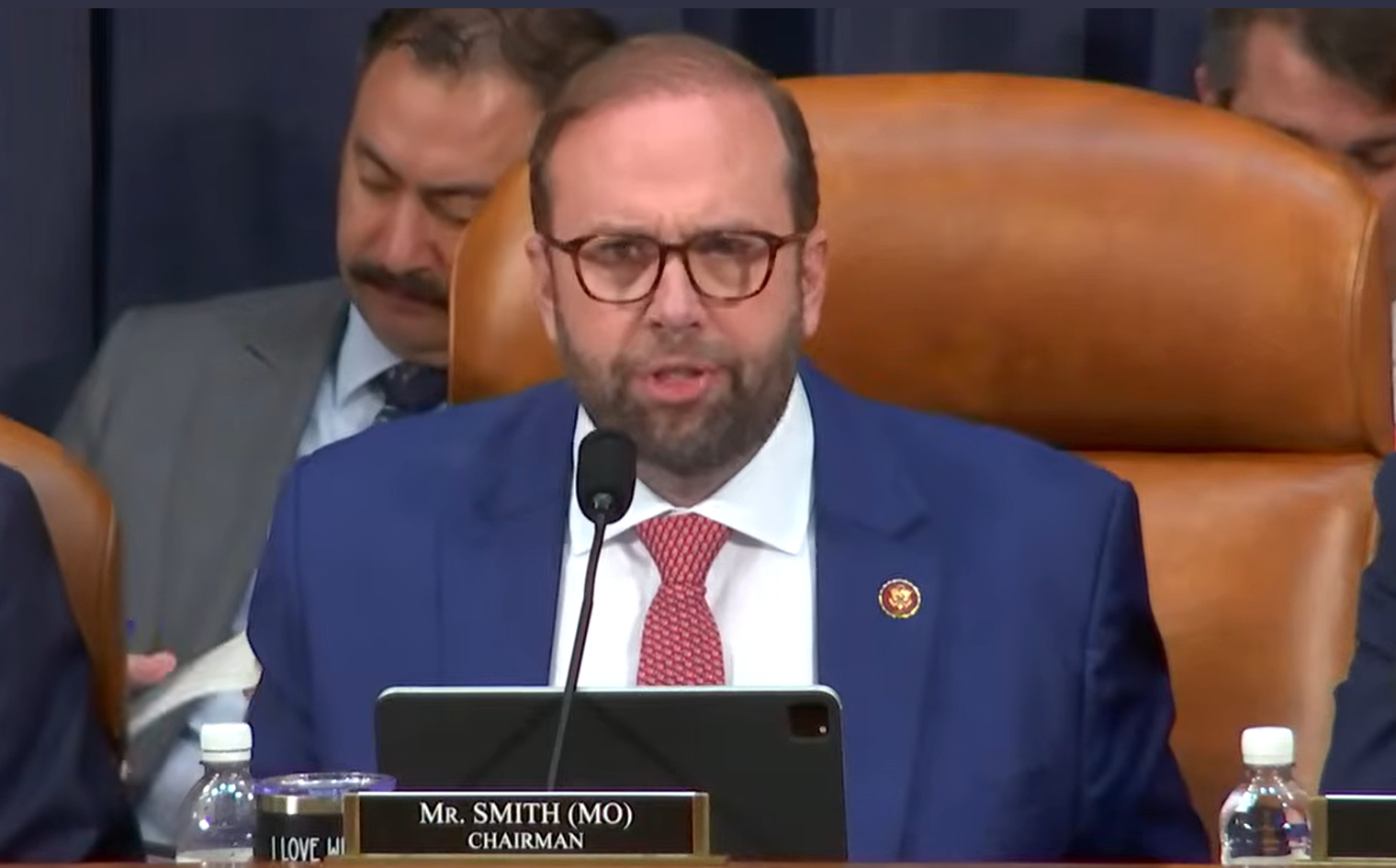
U.S. Rep. Jason Smith, R-Mo., who leads the House Ways and Means Committee and last month came to Las Vegas on a victory lap for the One Big Beautiful Bill Act, also came on board after speaking to gaming executives in town, Titus said.
Recommended Articles
Some Republican senators have said they had no idea the tax change was included in the bill, which Trump signed into law with great fanfare on July 4.
“It’s kind of like the arsonist saying, ‘Let me help you put the fire out,'” Titus said. “They caused the problem. They voted for the problem. But now, if they’re willing to help fix it, that’s a good thing.”
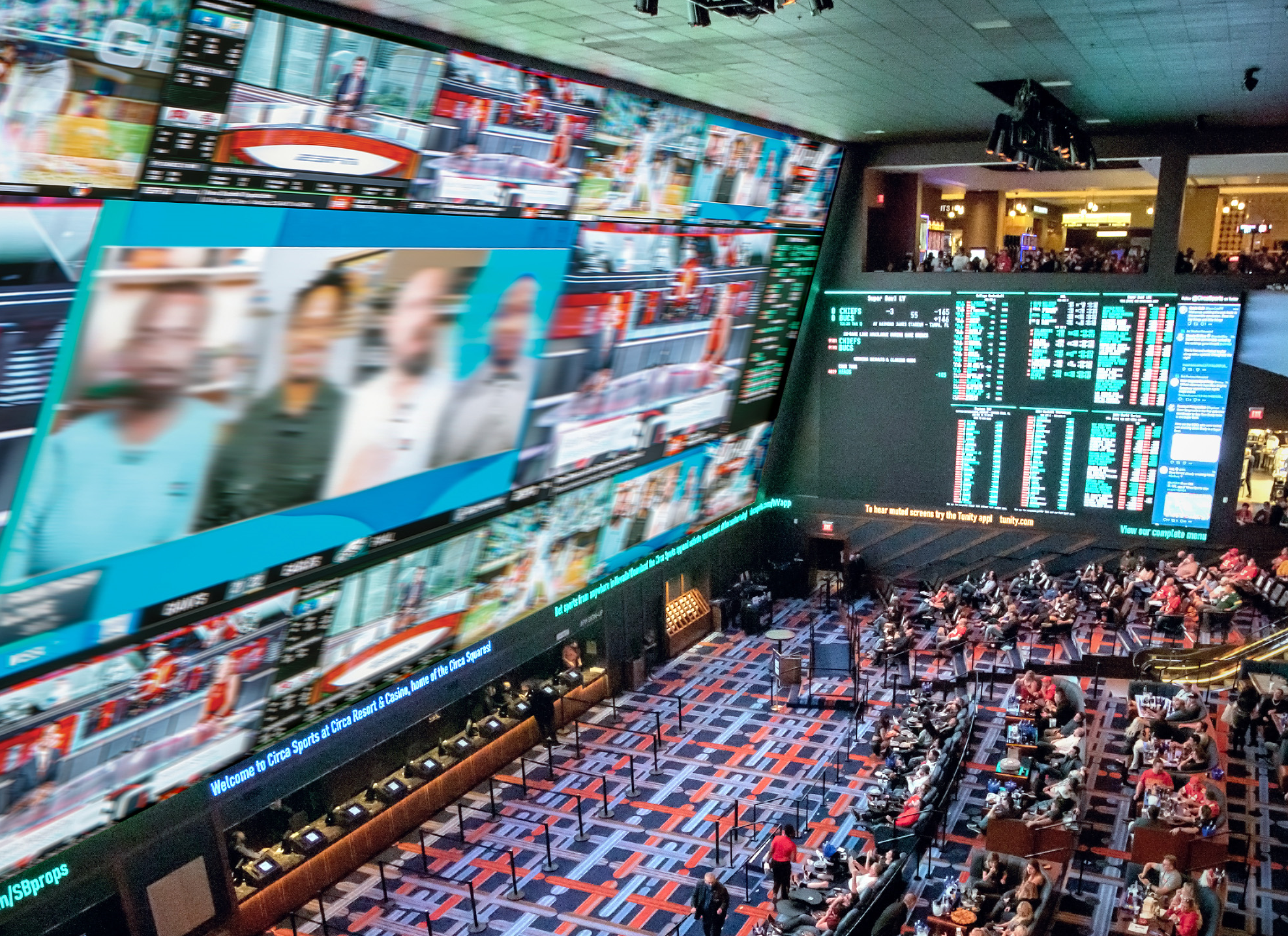
Photo caption: The three-story sportsbook at Circa in downtown Las Vegas. (Circa Sports)
________
© 2025 the Las Vegas Sun (Las Vegas, Nev.). Visit www.lasvegassun.com. Distributed by Tribune Content Agency LLC.
Sign in to get access to this free resource, and all of our whitepapers and reports.

Download this content today!
Register Now Already registered? Click here to Log In