



By Angela Lim
The Seattle Times
(TNS)
April 2 — After Washington Gov. Bob Ferguson signed a high-earners income tax into law Monday, Edmonds-based travel writer Rick Steves had a lot to say about it online. The “millionaires tax,” he said in a Facebook post, would make way for “shared prosperity.”
“A new tax on fat paychecks like mine was just signed into law in my home state—and I like it,” said Steves, who’s built a travel empire that includes the PBS series “Rick Steves’ Europe” and guidebooks on European travel. Steves has never been shy about sharing his thoughts on everything from marijuana legalization to why people should participate in No Kings protests.
The tax kicks in starting in 2029, when the state will collect a 9.9% levy on residents whose 2028 annual income exceeds $1 million. This tax will apply to individuals or couples who earn more than the $1 million threshold, and excludes households making less than that amount per year. Around 20,000 households are expected to pay this tax.
Recommended Articles
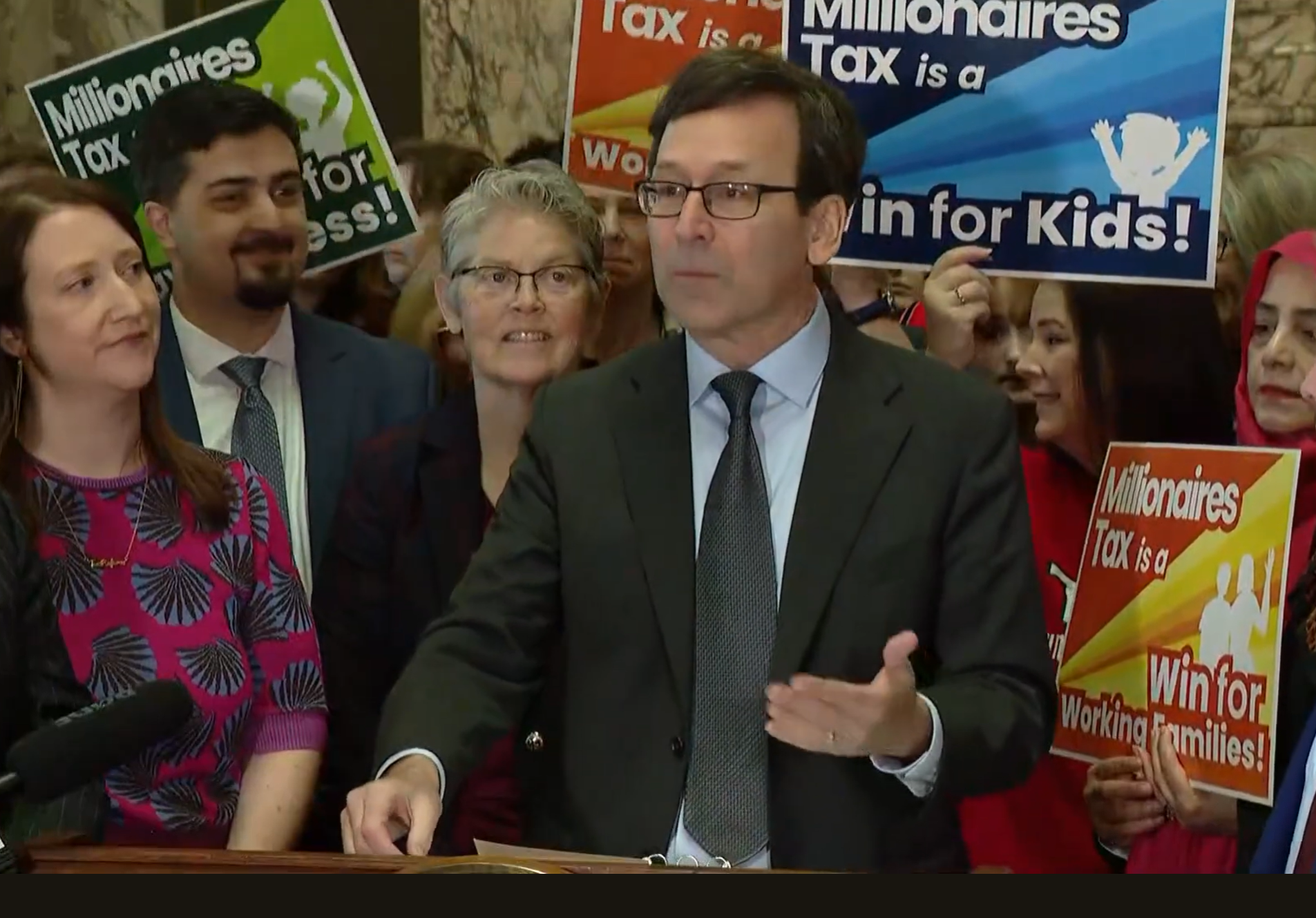

In his post, Steves opined that the “millionaires tax” is necessary because Washington is still largely funded by consumption taxes, such as sales and excise taxes, “giving us the second-most regressive tax code in the country.” He added that, with the “millionaires tax,” the state will accumulate almost $4 billion per year in tax revenue to invest in programs “that will help the roughly one-third of Washington households living paycheck to paycheck.”
Saying Republicans were likely to contend that the tax would cause wealthy people and job creators to flee the state, Steves said all Washington residents will, instead, benefit from the tax.
“As a wealthy person myself, I see this tax as essentially free money for all Washingtonians. Everybody in my state gains,” Steves said in the post. “And speaking from personal experience, I know that anyone who earns enough to be subject to this tax is beyond the point where consuming more adds to their security, their well-being, or even, arguably, their happiness—meaning there will be basically zero human cost.”
Thousands have left comments on Steves’ post.
“‘To whom much is given, much will be required.’ Walking the walk. There’s a concept,” one commenter said.
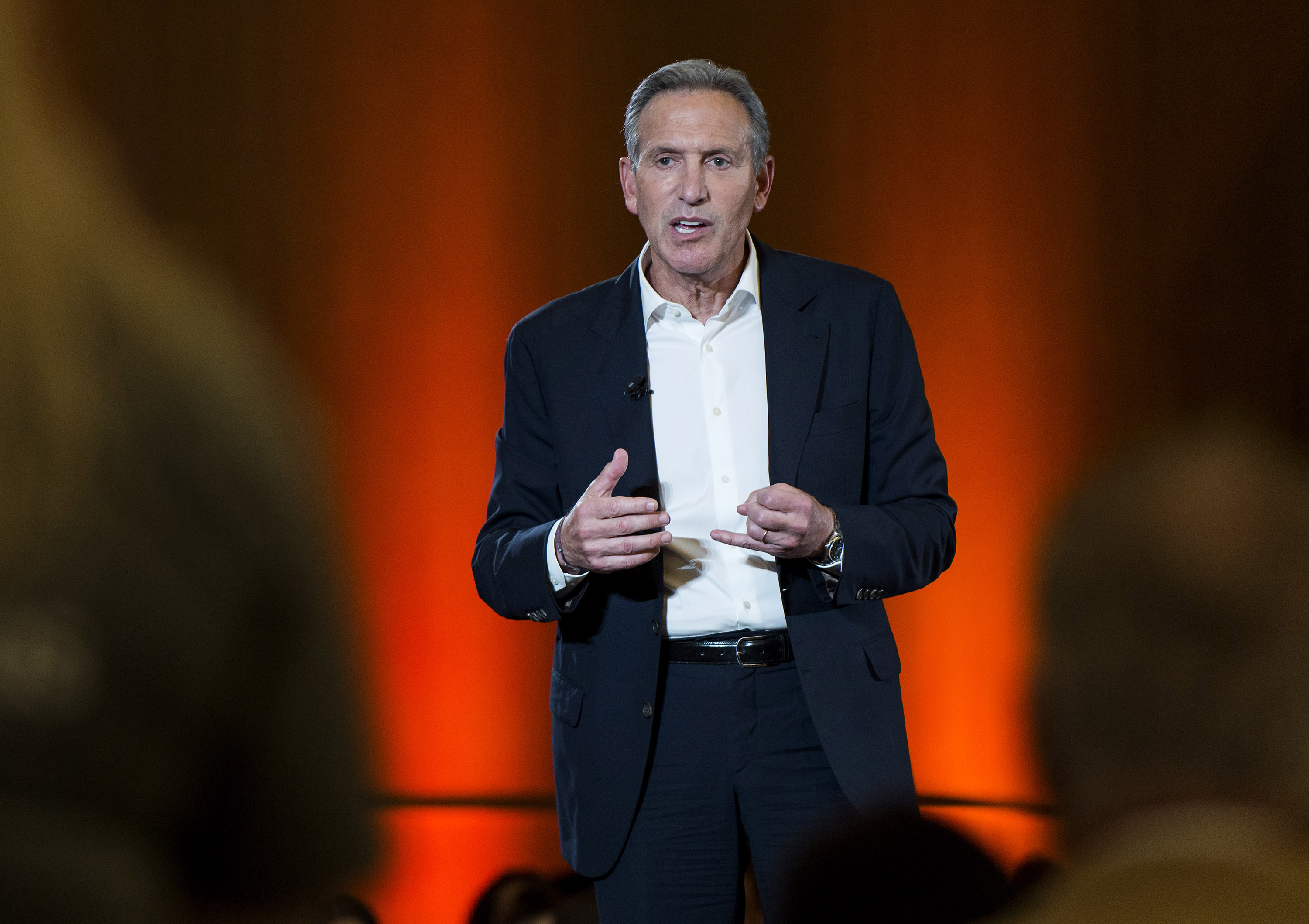
Not all of Steves’ fellow wealthy Washingtonians have agreed with him. In March, as the “millionaires tax” inched closer to final legislative approval, former Starbucks CEO Howard Schultz announced his move to Miami, saying he hoped “Washington will remain a place for business and entrepreneurship to thrive.” The Wall Street Journal reported in March that a dozen tech leaders were writing a letter to Ferguson saying that state efforts such as the high-earners income tax “would materially undermine Washington’s ability to keep growing the tech sector, which is a core driver of our economy, and would slow the AI innovation and investment momentum.”
The “millionaires tax is likely to face legal challenges, including from conservative organization Citizen Action Defense Fund, which has enlisted former Washington Attorney General Rob McKenna to lead a lawsuit. In addition, Redmond hedge fund manager Brian Heywood, who opposes the new tax, said his organization Let’s Go Washington intends to gather signatures for a referendum vote this fall, and if that effort fails, to push for a ballot initiative for this year or next.
Recommended Articles

Steves, the author of “Travel as a Political Act,” has a history of sharing his earnings with local communities. In 2011, Steves pledged to donate $1 million—in $100,000 annual payments over the next decade—to the Edmonds Center for the Arts and Cascade Symphony Orchestra, after noticing community programs and institutions were receiving less funding, stemming from a President George W. Bush-era tax break for the wealthy. In 2017, he gifted to the YWCA an apartment complex in Lynnwood to serve impoverished families trying to avoid homelessness. More recently, in 2025, Steves bought the Lynnwood Hygiene Center for $2.25 million, helping save from closure a center used by around 700 unsheltered people in south Snohomish County.
Information from The Seattle Times archives was included in this report.
Photo caption: Travel writer Rick Steves (Photo via his Facebook page)
_______
© 2026 The Seattle Times. Visit www.seattletimes.com. Distributed by Tribune Content Agency LLC.

Thanks for reading CPA Practice Advisor!
Subscribe Already registered? Log In
Need more information? Read the FAQs