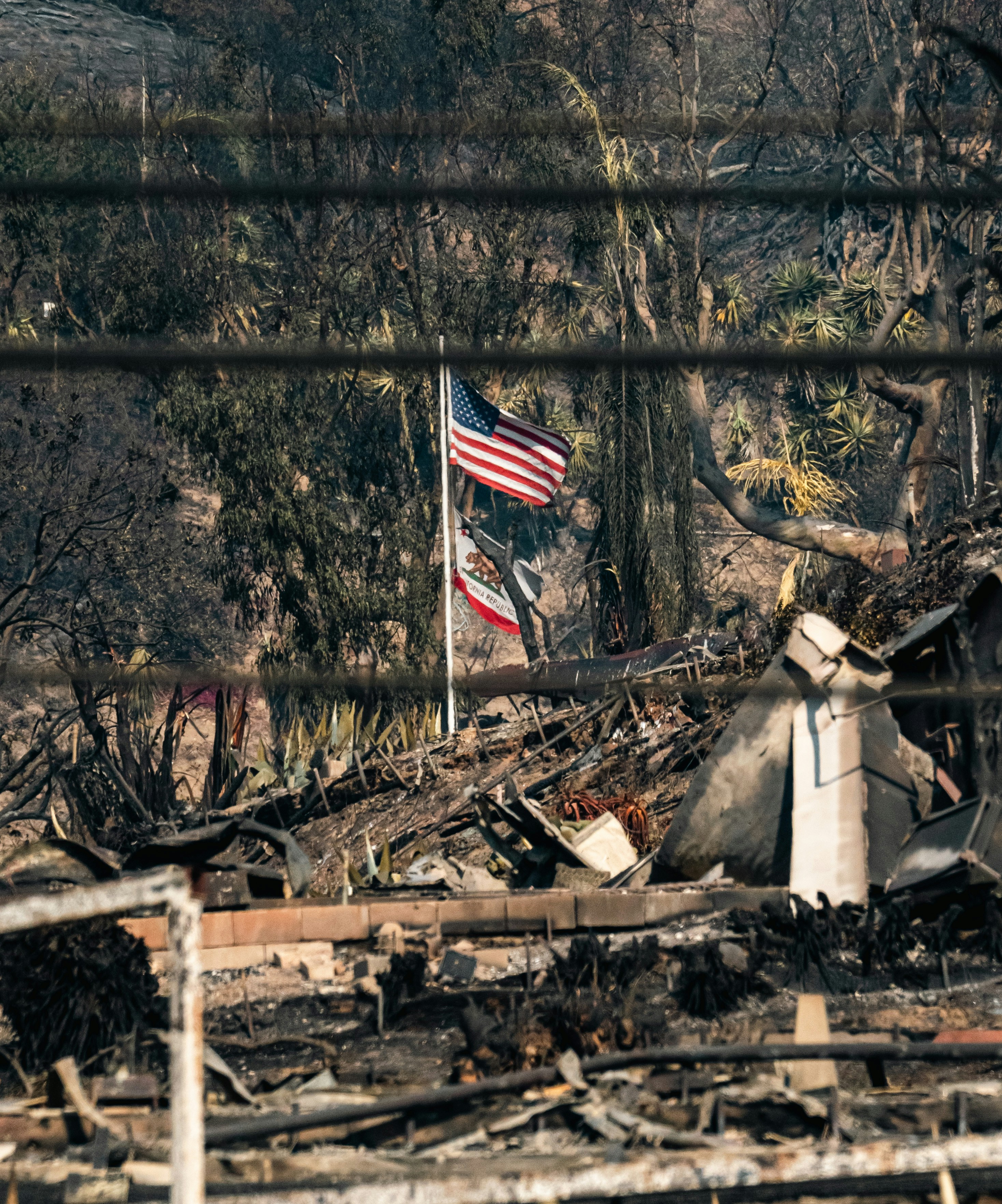




It has been one year since the Palisades Fire devastated Southern California, completely altering the housing and business ecosystem in the region. In addition to being one of the costliest disasters in the history of our nation, this crisis was compounded by a weak and ineffective insurance market. Mere weeks before the fire sparked, seven out of the state’s twelve primary insurers restricted fire coverage in this area – a decision which left 1 in 10 Los Angeles homes uninsured.
Following the devastation, California leadership vowed to expedite the rebuilding process – but without insurance, homeowners and small business owners were left footing the bill. So where are we now, one year later? Approximately 13,000 homes and 2,600 small businesses were destroyed in the fire, and one year later, fewer than a dozen homes have been rebuilt in Los Angeles County.
While the fire may not have been avoided, the preparation and fiscal response could have been planned for. The insurance crisis was underway before the first sparks of this fire ignited, but the devastation placed additional strain on the mainstream market. While many small businesses lost insurance (either due to unaffordability or straight-up cancellation by their providers), others found support through self-insurance alternatives – most notably through the implementation of micro-captive insurance plans.
Micro-captive insurance is a self-insurance option made available to small businesses through Section 831(b) of the Internal Revenue Code. By setting aside pre-tax dollars into micro-captive insurance plans, small businesses are granted the same flexibility and comprehensive risk management capabilities that have been leveraged by their Fortune 500 counterparts for decades.
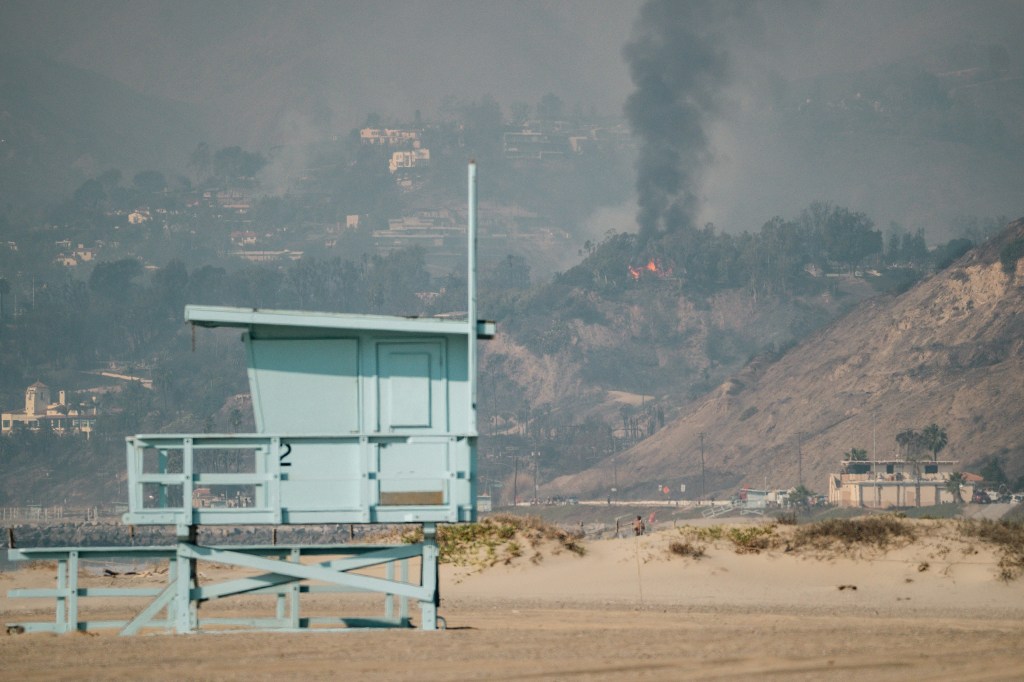
While these plans cover physical loss accrued by destruction, same as any other mainstream insurance plan, they also have the added benefit of covering other fortuitous risk options that otherwise may not be covered by traditional insurance plans. Items like supply chain disruptions, closure due to evacuation, and risks associated with political and policy changes are also covered by these plans, and many small businesses in Southern California benefited from them in the aftermath of the fires. By implementing these plans, small business owners were able to continue covering payroll expenses during the closures caused by evacuation – supporting their employees when they needed the support the most.
The micro-captive insurance plans are providing these small businesses the ability to rebuild their businesses more quickly while securing jobs for them and their employees much sooner than waiting for the government’s response. This is good for everyone, and exactly what our government should want: citizens taking initiative to rebuild immediately by providing tools beforehand to mitigate potential future risk, strengthening the local and national economies as a result.
The more small business owners are aware that this tool exists, learn how to properly implement it, and successfully insure their own assets and operation, the stronger the greater-insurance market will become as a result. Not only will these plans increase coverage for the businesses who need it most, but the decrease in pressure on mainstream insurers will ensure coverage plans can once again be affordable and accessible. It is paramount that policy makers and members of the IRS work to increase access to insurance coverage, not limit access to alternatives. Maybe then, when the next natural disaster inevitably hits, small businesses will be better prepared.
===
Vardan Pogosian is a Certified Public Accountant and a former IRS Agent who brings an insider’s perspective to clients in advanced tax planning and IRS representation. As a tax auditor for the IRS for nearly ten years, he has served with both the Small Business/Self-Employed Division and the Lare and International Business Division. He is the founder of PNC CPA and Advisors, Inc.

Thanks for reading CPA Practice Advisor!
Subscribe Already registered? Log In
Need more information? Read the FAQs