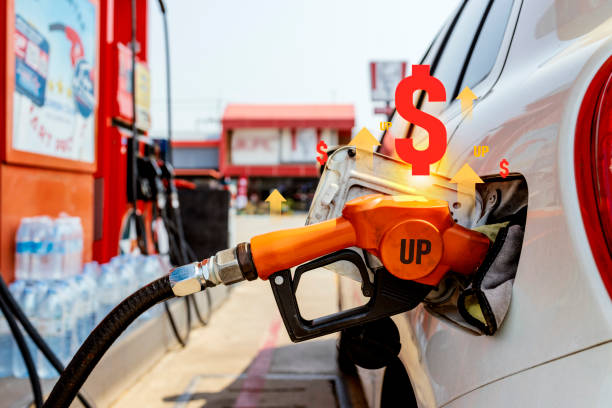




As oil prices surge amid escalating conflict in the Middle East, small businesses are bearing the brunt of rising fuel costs. Local delivery services, contractors, and retailers face a critical choice: absorb the expenses and erode profit margins, or raise prices and risk losing loyal customers.
But protecting the bottom line doesn’t have to mean losing customers.
“When fuel costs spike unpredictably, small business owners often panic. They either quietly absorb the loss until they are losing money, or they implement sudden, across-the-board price hikes that shock their customers,” explains Raj Bhaskar, CEO of of embedded accounting platform Tight and a small business finance expert. “The key to surviving sudden inflation is to protect your margins while aggressively preserving the trust you’ve built.”
To help small businesses survive this sudden squeeze, Bhaskar shares six ways to handle fuel hikes gracefully without losing customers:
1. Implement a transparent “fuel surcharge” (For service and delivery businesses): If your business relies on vehicles, like trades, landscaping, or local delivery, don’t permanently raise your base prices. Instead, introduce a temporary, separate line item on your invoices. When you label it a “temporary fuel surcharge,” customers understand that this is a direct response to a macroeconomic crisis, not a permanent cash grab. Once fuel prices stabilize, you can easily remove the fee, which builds goodwill with customers.
2. Consolidate inbound shipping and inventory (For retail and brick-and-mortar): For local shops or restaurants that can’t pass a direct fuel fee to the consumer, the savings have to come from the supply chain. Instead of placing three small inventory orders a week, negotiate with vendors to consolidate into one larger weekly delivery. Reducing the frequency of inbound freight can significantly reduce the embedded fuel costs draining your margins.
3. Incentivize “pick up” with a small reward (For retail and food): Instead of just penalizing customers with new delivery fees, reward them for saving you a trip. Offer a small perk like 5% off, a free pastry, or an upgraded item if the customer chooses to pick up their order. You turn a negative (expensive delivery) into a positive customer experience, all while keeping your delivery vehicles off the road.
4. Optimize your service radius and schedule: You can’t control the price of gas, but you can control how much you use. Group client visits or deliveries by ZIP code and assign specific neighborhoods to specific days of the week. Most clients will happily accommodate a schedule shift if it means avoiding a massive price hike.
5. Over-communicate the “why”: Don’t just change the numbers on your website and hope nobody notices. Send an honest email to your customer base explaining the situation. Tell them, “To maintain the quality of service you expect without permanently raising our prices, we are adding a small, temporary delivery fee” (or adjusting service days). Customers are feeling the pinch at the pump, too, and vulnerability breeds loyalty.
6. Audit your hidden financial leaks: When one expense (like fuel) goes up, you have to find room elsewhere. This is the exact time to look at your software subscriptions, renegotiate vendor contracts, or cut low-ROI marketing spend. Trimming the fat in your back office can help you absorb the shock at the pump without passing the entire burden onto the consumer.
“Customers are much more forgiving than we give them credit for, provided you treat them with respect and transparency,” Bhaskar says. “You don’t have to apologize for keeping your business profitable during a global crisis. You just have to bring your customers along for the ride.”
Photo credit: Memorystockphoto/iStock

Thanks for reading CPA Practice Advisor!
Subscribe Already registered? Log In
Need more information? Read the FAQs
Tags: fuel costs, gas costs, oil costs, oil prices, Small Business