



By Jim Brunner
The Seattle Times
(TNS)
OLYMPIA — After a debate that stretched more than 24 hours, the state House on Tuesday approved a state income tax on people earning more than $1 million a year, setting up a final vote in the Senate as early as Wednesday.
The final House vote was 51-46, with eight Democrats joining all Republicans in opposing what supporters have dubbed a “millionaires tax.”
That vote at about 6 p.m. on Tuesday capped a grueling debate—the longest for any legislation in recent memory—that had started the day before just after 5:30 p.m.
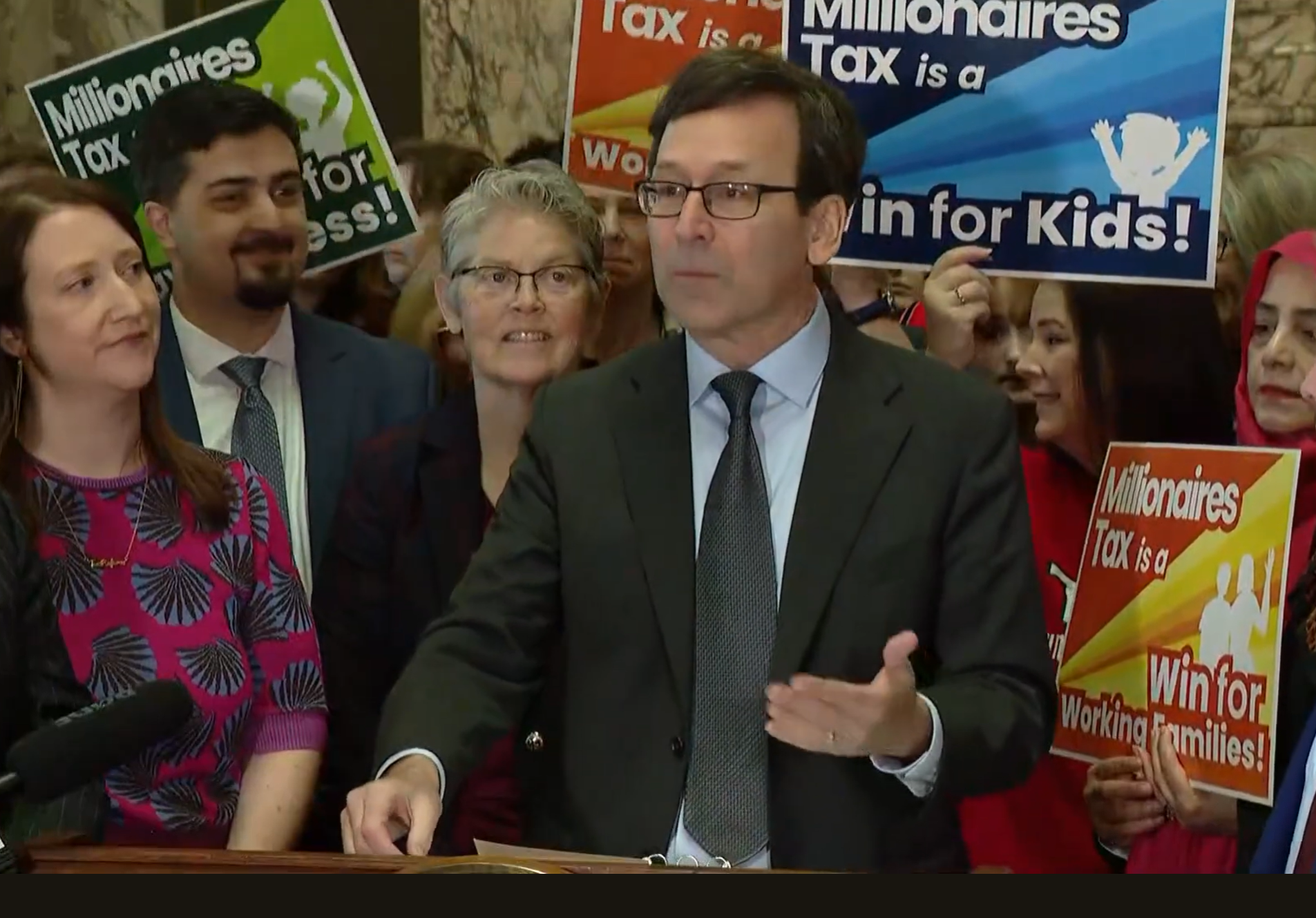
Democrats cheered and hugged after the vote, with Gov. Bob Ferguson joining them in the wings of the House chamber celebrating a measure he has pledged to sign.
It’s not too often in this line of work that you have a vote that’s truly historic, and by any definition, that’s what this was,” Ferguson told reporters.
State House Speaker Laurie Jinkins said in an interview after the vote that the measure reforms the state tax system to “make it fairer, make it more adequate, make it something that will help the people of this state to be able to be supported and grow and be successful.”
Over the previous night and day, weary lawmakers had gulped coffee and grabbed power naps as they slogged through and mostly rejected some 80 proposed amendments from Republicans and a few Democratic critics of the bill, which would mark a seismic shift in Washington’s tax code.
The state is one of nine that do not levy a personal income tax, relying instead mainly on sales and business taxes. The tax code has been ranked as among the nation’s most regressive, meaning it taxes wealthy people relatively lightly compared with poorer residents.
Recommended Articles


Democrats said the historic vote will help fix that inequity while bringing in billions of dollars for schools, health care and child care.
Rep. April Berg, D-Mill Creek, the chair of the House Finance Committee, who helped shepherd the bill through the House vote, said the state is struggling to fund such vital services “and we are in desperate need of structural tax reform, foundational tax reform.”
But Republicans warned over and over that the new tax will be expanded far beyond millionaires and predicted it will drive residents and businesses to flee the state.
“This is a sad day for Washington,” said Rep. Matt Marshall, R-Eatonville.
Rep. Jeremie Dufault, R-Selah, said “these taxes start small and grow,” and that lawmakers would be back to expand it because of the “insatiable demands to grow government.
The plan adopted by the House tackles its supporters’ goal of taxing the rich. It also contains some more modest provisions to lighten the load on middle class and lower-income people.
The legislation imposes a new state income tax of 9.9% on earnings of more than $1 million a year, money Democrats argued is needed to fund schools, health care and other state services. Married couples would share a single $1 million exemption, in a so-called “marriage penalty” criticized by opponents.
The tax would apply only on the amount of income above the $1 million threshold, so a person making $1.5 million, for example, would be taxed on the final $500,000. It would apply to an estimated 20,000 to 30,000 households in the state, with collections beginning in 2029 on the previous year’s income.
Most of the roughly $4 billion a year the tax would bring it would be devoted to the state’s general-fund budget to pay for government agencies and services. A 5% chunk would be earmarked for early education and child care.
Democrats also say they’d use some of the money to fund free school lunch and breakfast for all kids in K-12 schools, though Republicans pointed out that money is not legally earmarked in the income tax bill.
The bill would also exempt more businesses from paying the state’s business and occupation tax. It also would eliminate the sales tax on purchases of diapers, and personal hygiene products such as toothpaste, antiperspirants and shampoo.
It also would expand the state’s Working Families Tax Credit, which sends annual rebates of up to $1,300 a year to lower-income working families. Ferguson had pushed for the expansion of the program and said the revised bill would make 460,000 households eligible for the payments.
Many of the amendments proposed by Republicans and a few Democrats during the marathon House debate would have cut other taxes, such as the sales tax, to offset the new levy on the wealthy.
Other sought conditions on the new income tax, such as requiring a public vote.
One amendment even suggested the tax be delayed until the NBA agrees to bring a Sonics team back to Seattle.
Democrats largely stuck together in rejecting all but minor changes, sticking to a deal on the income tax proposal that Ferguson has said he will sign.
The outcome of the vote was never in doubt. But Republicans were determined to make it take as long as possible. They queued up dozens of amendments and demanded time consuming roll call votes on most of them.
House Minority Leader Drew Stokesbary, R-Auburn, said the income tax was “a bad direction for Washington state, and our constituents want us to use every tool at our disposal to try to stop it, even if we can’t.”
The House passage sends the bill back to the Senate, which is expected to concur with amendments and quickly send it to the governor. Lawmakers are scheduled to adjourn Thursday.
— Seattle Times staff reporter Shauna Sowersby contributed to this report.
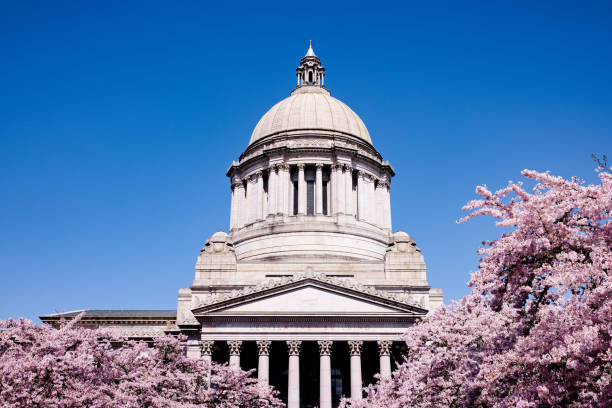
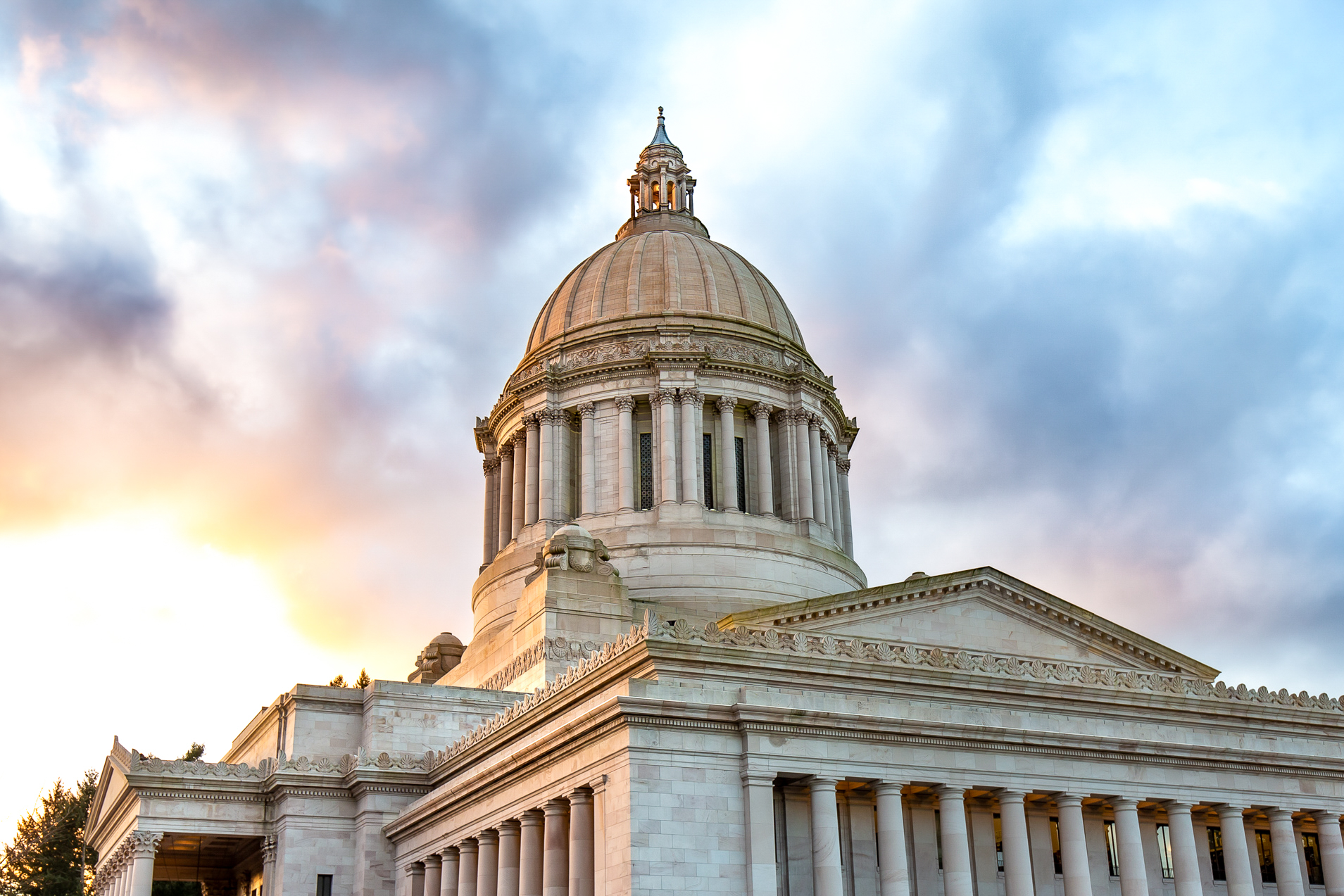
Photo caption: The Washington State Capitol building in Olympia, WA. (RyanJLane/iStock)
______
© 2026 The Seattle Times. Visit www.seattletimes.com. Distributed by Tribune Content Agency LLC.

Thanks for reading CPA Practice Advisor!
Subscribe Already registered? Log In
Need more information? Read the FAQs