



By Gus Burns
mlive.com
(TNS)
LANSING, MI — Efforts to repeal Michigan’s newly instituted 24% wholesale marijuana tax are underway.
A bipartisan mix of five Republican and three Democratic senators are supporting the repeal under Senate Bill 810, sponsored by state Sen. Jonathon Lindsey, R-Coldwater.
Marijuana industry advocate and bill co-sponsor Sen. Jeff Irwin, D-Ann Arbor, said the tax reversal “faces an uphill climb.”
“But I think as members start to reckon with, not just the damage that’s being done to the industry—but also the businesses that are being shuttered, the jobs that are being lost, and the revenue that we’re not seeing to schools and local governments,” he said, “When all those chickens come home to roost, I think there might be some members who change their minds.”
A simple majority in the House and Senate is required to reverse the tax. The bill was referred to the Senate Committee on Government Operations.
Irwin and others believe the increase will significantly decrease sales, deter out-of-state customers, eliminate jobs and prop up black market sales.
January revenue figures released by the state Cannabis Regulatory Agency showed the lowest monthly sales since February 2023. January sales reached $226 million, while monthly sales have averaged $264 million during the preceding 12 months.
“I don’t think we have the data yet to be able to show this steep drop is directly related,” Irwin said, “But when we unscramble all that spaghetti,” I think it will show a significant decrease in out-of-state customer sales.
The Legislature created the new tax under what’s called the Comprehensive Road Funding Tax Act. The legislation, House Bill 4951, introduced by Rep. Samantha Steckloff, D-Farmington Hills, didn’t mention marijuana or a new tax. The language was added to a substitute submitted on Sept. 25, the same day the House voted 78-21 to pass it.
Recommended Articles
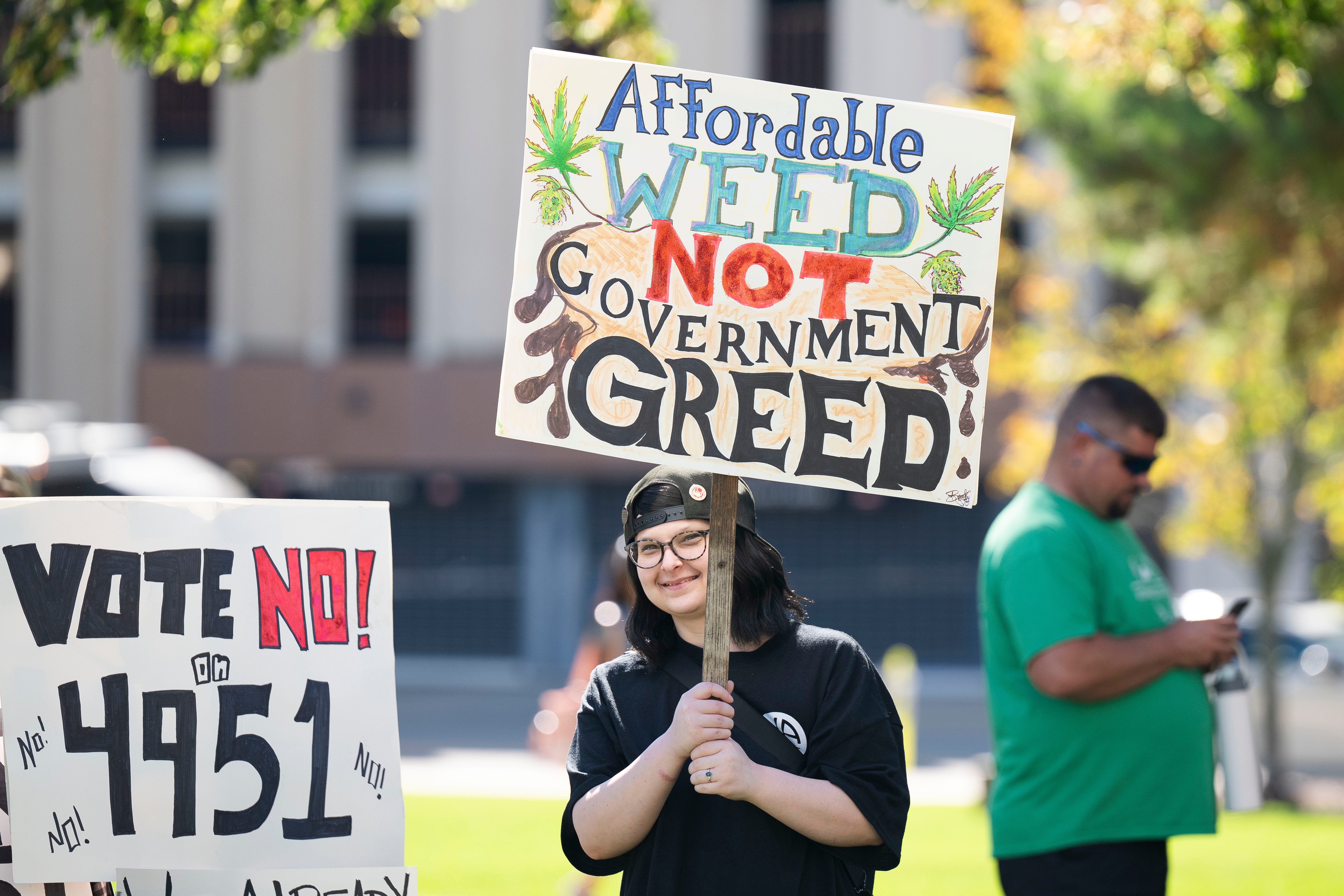
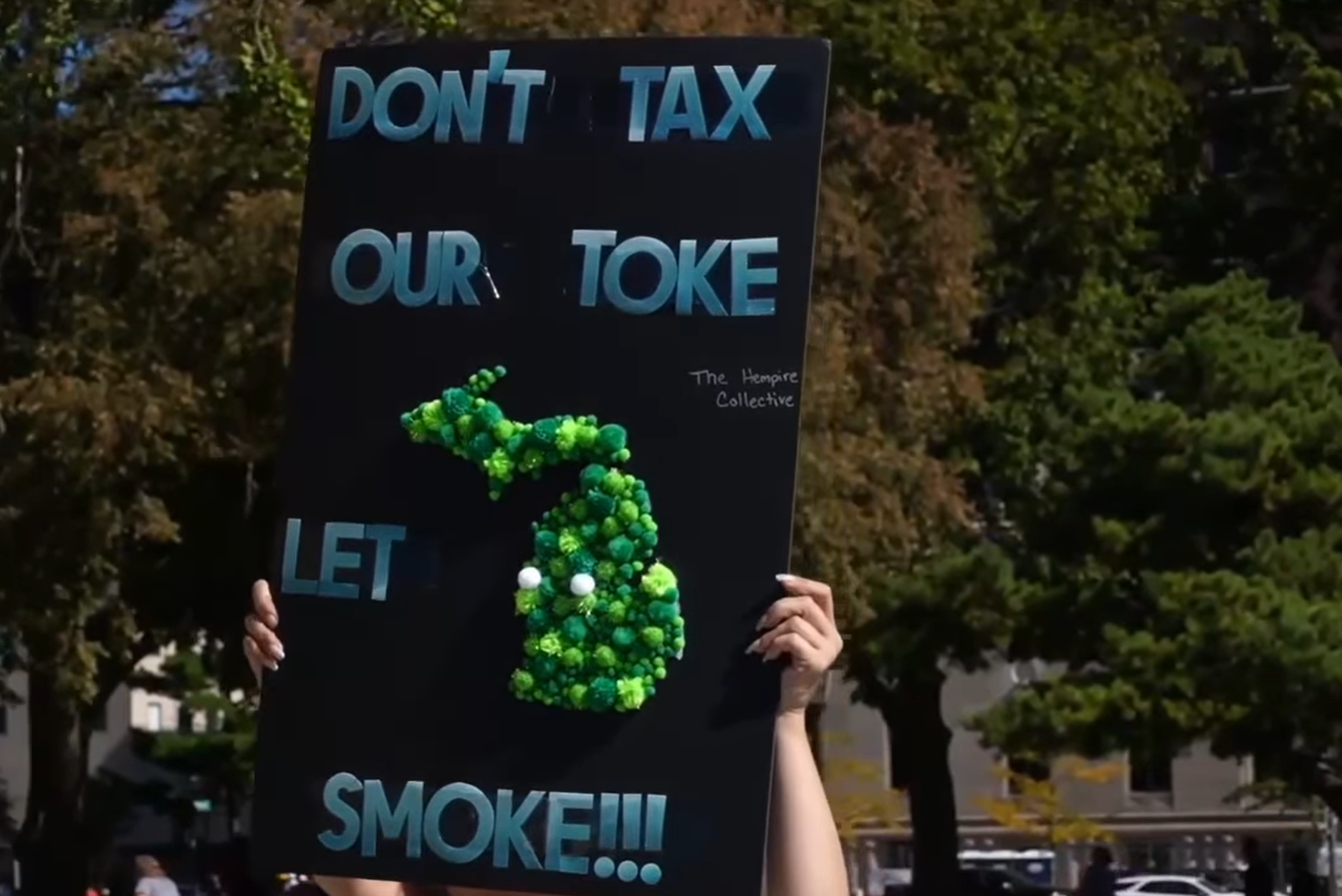
Opponents argue the substitute changed the bill enough to require a new five-day waiting period before a vote, which did not take place.
“The whole purpose of having the time there is so that people that are impacted can have time to mobilize,” said Karen O’Keefe, director of state policies at the Marijuana Policy Project.
O’Keefe believes legislators “rushed” the legislation through to avoid opposition.
Although critics believe the figure is inflated, legislative analysts project the new marijuana tax could contribute $420 million to Gov. Gretchen Whitmer’s $1.8 billion road funding plan.
The Legislature struggled to reach a budget agreement, forcing the passage of a temporary spending plan on Oct. 1 before lawmakers approved the full budget after an all-night session on Oct. 3. The marijuana tax was a key component necessary to secure bipartisan agreement.
“We didn’t want to do it,” state Rep. Joseph Aragona, R-Clinton Township, told MLive after the tax passed. “We don’t like it, but this is the deal that was cut.”
If the tax were repealed, it would leave a gaping hole in the current budget.
“I don’t think anybody, even the folks who put out the estimate that this was going to raise $420 million, I don’t think they believed that,” Irwin said. “If that number is reduced to zero, that creates a bigger hole than the one we’re already looking at. But this roads plan was passed with a hole already in it, structurally, because the revenue estimates were not realistic.”
The marijuana industry challenged the tax in a lawsuit filed by Michigan Cannabis Industry Association, the state’s largest marijuana lobby.
The lawsuit contended that the new 24% marijuana tax needed a three‑fourths majority in both the House and Senate because it amended the 2018, voter‑approved law, which already included a 10% excise tax. Under the Michigan Constitution, any changes to voter‑enacted legislation require a supermajority to take effect.
Michigan Court of Appeals Judge Sima G. Patel dismissed that argument on Jan. 5, since the additional tax did not amend tax amounts approved by voters.
Patel also dismissed the argument that the late-hour changes to the bill violated the state Constitution, but allowed the lawsuit to proceed, since the judge said the tax could arguably change the intent of the recreational marijuana law.
Part of the stated intent of the legislation was to stamp out the black market.
“It is not certain on this record whether the 24% wholesale excise tax will impact prices to the extent purchasers will be driven to the illicit marijuana market,” Patel wrote in her order.
The lawsuit is ongoing and a status conference was held in February.
O’Keefe said she spoke to a currently legal business owner who said the tax may force them to the black market.
“She put her life savings and her retirement into a cannabis cultivation business, and they wouldn’t be able to absorb the 24%,” O’Keefe said. “If you have people that go out of the legal business, that have already put in all this money, that might create more illicit demand too.”
The wholesale tax is set to be collected quarterly and when those payments come due, O’Keefe believes it will have a “devastating effect” on the industry.
“There’s a lot of people who are losing their jobs, losing their benefits because of this price gouging in the cannabis industry,” O’Keefe said. “I would hope that the Legislature would realize that it has made a mistake.”
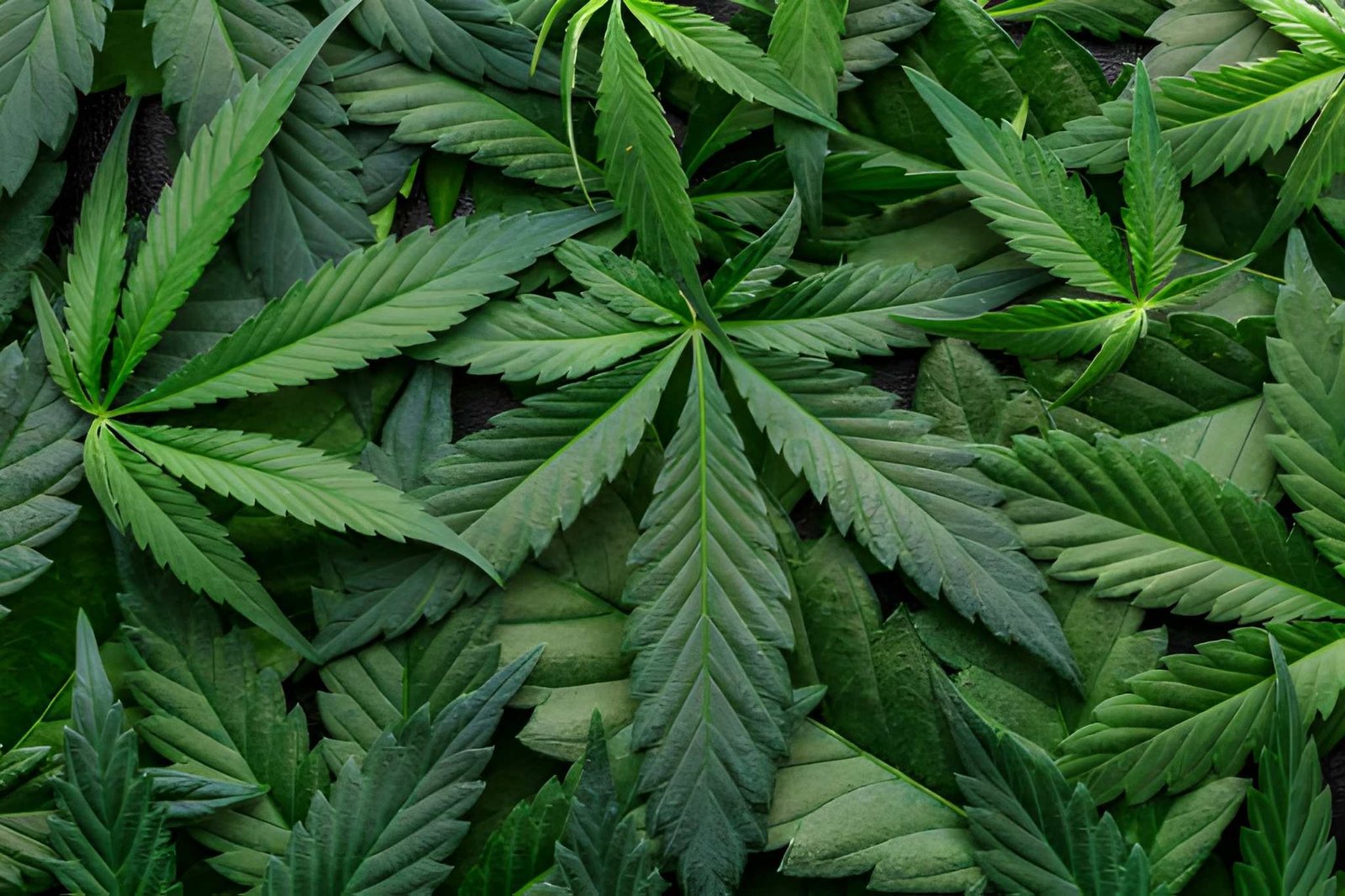
Photo credit: IURII BUKHTA/iStock
_______
©2026 Advance Local Media LLC. Visit mlive.com. Distributed by Tribune Content Agency LLC.

Thanks for reading CPA Practice Advisor!
Subscribe Already registered? Log In
Need more information? Read the FAQs
Tags: marijuana, marijuana and taxes, marijuana tax, michigan, Taxes