



By Meredith Howard
Belleville News-Democrat
(TNS)
Under a new federal policy in what’s popularly known as President Donald Trump’s “One Big Beautiful Bill Act,” U.S. workers can now temporarily deduct tips from their federal income taxes, up to a $25,000 limit. But Illinois is decoupling with the policy, so tipped income will still be taxed at the state level.
States have the authority to set their own income tax rates, or charge no income tax at all. Along with Illinois, New York, California and the District of Columbia are also decoupling from the federal policy change.
Recommended Articles


If Illinois were to institute a tax deduction for tips, it would cost the state an estimated $180 million annually in lost tax revenue, Frank Manzo IV, an economist with the Illinois Economic Policy Institute, told the News-Democrat in a recent interview.
The phrase “no tax on tips” is a “slight misnomer,” Manzo continued.
“It’s really no tax on some tips because workers can deduct up to $25,000 in tips from their taxable income at the federal level, and that deduction phases out for those earning $150,000 or more,” Manzo said.
Additionally, tipped employees will still pay Social Security and Medicare taxes on their tips. The current federal tip deduction is temporary and set to go through tax year 2028.
One major pro to eliminating taxes on some tips is to provide tax relief to working families and help address affordability, Manzo said, but since the federal provision is temporary, those benefits would only last a few years.
“The main issue with this type of provision is that first, food service and other hospitality employers now have less incentive to actually raise wages, because this is effectively a subsidy of labor costs,” Manzo said.
Recommended Articles



Illinois’ non-tipped minimum wage for employees age 18 and older is $15. The tipped minimum wage in Illinois sits at $9, and the minimum wage for those younger than 18 working less than 650 hours per calendar year is $13.
Another issue with the no tax on tips provision, in Manzo’s opinion, is it doesn’t provide tax relief for non-tipped, low-wage food service jobs such as fast food workers.
“If the state wants to provide working-class tax relief, there are generally better ways to do it,” Manzo continued.
Suggestions to provide tax relief without eliminating a tax on tips include increasing the Earned Income Tax Credit or increasing the personal exemption, Manzo said.
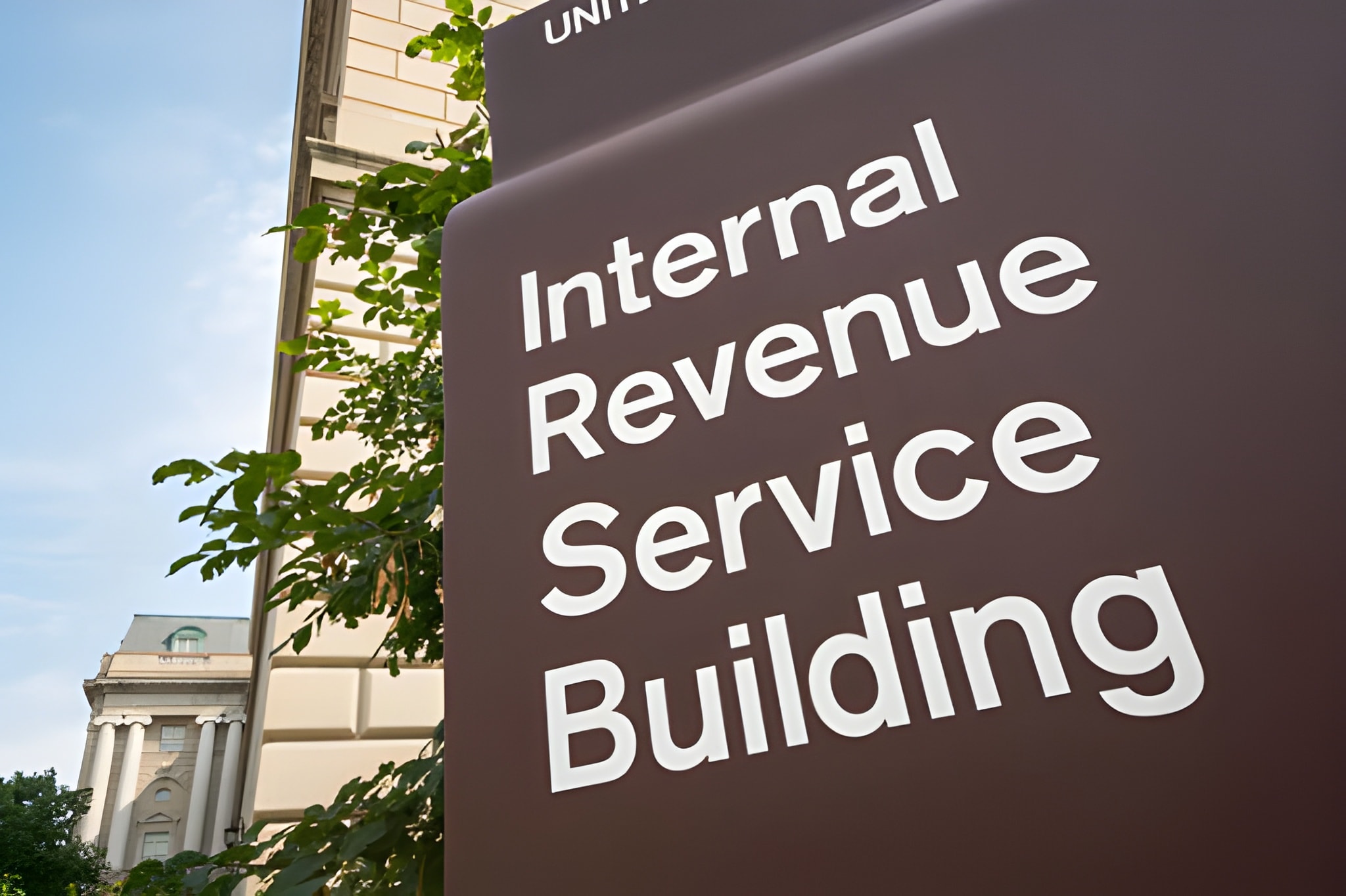
Photo credit: CatLane/iStock
_______
© 2026 the Belleville News-Democrat (Belleville, Ill.). Visit www.bnd.com. Distributed by Tribune Content Agency LLC.

Thanks for reading CPA Practice Advisor!
Subscribe Already registered? Log In
Need more information? Read the FAQs