



By Danielle James
mlive.com
(TNS)
LANSING, MI – Gov. Gretchen Whitmer’s office said continued federal pressure from the “One Big Beautiful Bill” will make sustaining funding for programs like Medicaid difficult.
To raise revenue and offset an increased state cost of administering the healthcare program, Whitmer is proposing six new taxes: on tobacco and vapes, sports betting and digital advertising, along with a new internet tax rate on the state’s largest casinos.
Before the governor’s Fiscal Year 2027 budget was even officially presented, House Republicans had criticism.
House Speaker Matt Hall, R-Richland Township, said his chamber would not support any tax increases as part of a bipartisan budget deal. Speaking on behalf of Republicans in the Senate, Minority Leader Aric Nesbitt, R-Porter Township, agreed.
Lawmakers reviewed Whitmer’s latest budget proposal, totaling $88.1 billion, during a joint session of the House and Senate on Wednesday. General fund spending plans were $13.6 billion, while the school aid budget totaled $21.4 billion.
The governor was not present to answer questions.
Recommended Articles
While spending in some areas like higher education remained around the same, other sections of the budget—like the Michigan Department of Health and Human Services, MDHHS—saw bigger increases.
Budget Director Jen Flood pointed mainly at Congress passing the Trump administration’s One Big Beautiful Bill Act in July as the reason why.
In addition to a lapse of Affordable Care Act subsidies, the legislation affected how states like Michigan receive revenue for Medicaid, a government-funded health insurance program for low-income individuals, families and people with disabilities.
Michigan receives billions of dollars each year from the federal government to administer the program, which serves over 2.5 million people.
Under federal changes, state agencies now must take additional steps to achieve compliance.
The One Big Beautiful Bill, when it was passed, blew an “immediate $1 billion hole” into the state budget, Whitmer’s executive review read.
Revenue estimates in January found the state was projected to lose around $1 billion from the general fund, due to both federal changes and state-level shifts in road funding.
Whitmer said new proposed taxes, some of which she’s unsuccessfully pitched before, would help offset that decrease by raising $800 million for Medicaid services.
The taxes, and the amount they’re projected to raise, include:
- $232 million from increasing the tax on tobacco, which Whitmer’s office said would bring the tax rate in line with other Great Lakes states.
- Taxes on cigarettes are now $0.10 per individual or $2 per pack of 20, while other tobacco products are taxed at 32% of the wholesale price.
- $95 million from a new 57% wholesale tax on electronic cigarettes and vaping products.
- $135.5 million from a new internet tax rate on the state’s largest casinos.
- $38.8 million from a per-wager sports betting tax.
- $21.1 million from eliminating the free play deduction, which allows casinos to subtract the value of promotional credits from their taxable revenue.
- $282 million from a 4.7% gross receipts tax on digital advertising across all media platforms.
A Whitmer press release said her budget included $186.6 million to help the state meet “new, burdensome federal requirements that make it harder to access food and health care.”
Her office was referring to federal changes to the Supplemental Nutrition Assistance Program, SNAP, requiring that states cover a higher share of the program’s administrative costs, from 50% to 75%.
Of those funds, $94.3 million covers increased cost-sharing, with $60.3 million for state implementation efforts and $30 million to help Michiganders meet new federal work requirements.
In response to the proposal, Hall said his chamber would not support tax increase proposals as part of a budget deal.
“Instead, we’re going to have to live within our means, just like the people of Michigan do,” Hall said. “When they have increased expenses … hopefully they don’t borrow a lot of money.”
Hall also expressed concern about the funds included in Whitmer’s proposal for additional state employees.
The presentation included $80.3 million for an additional 589 full-time assistance payment workers, office of Inspector General agents, departmental analysts, supervisors and administrative assistants.
They were described as necessary to meet workload increases resulting from new federal requirements.
Rep. Ann Bollin, R-Brighton, said she counted a total increase of approximately 1,000 employees across the budget.
Flood said around 90% of those are in MDHHS, with another big area of growth coming from 323 new full-time positions at a new state psychiatric hospital set to open in October.
In addition to $72.2 million allocated to cover the cost of opening, the 264-bed facility in southeast Michigan was also allocated $6 million for upgrades to electronic records systems and $1.2 million to purchase personal protection devices.
But Hall said he and Bollin believe there are more “ghost employees” in state government that should instead be eliminated, a claim stemming from sometimes-vacant state government positions House Republicans focused on last budget cycle.
Last year’s final budget eliminated funding for 2,000 vacant positions, which Hall described as jobs that aren’t filled and are instead used to “pad programs.”
“We can cut another 3,000 ghost workers this year,” he said. “We should not be adding workers, and then taking from the rainy day fund and raising taxes. It’s ridiculous.”
He was referring to another Whitmer budget proposal to withdraw $400 million from the budget stabilization fund, known more commonly as the “rainy day fund.”
A subfund of the general fund, it was created in 1977 to protect critical programs when the state experiences an economic downturn. The fund reached a balance of $2 billion, as of September 2024.
Whitmer’s office said the subfund has more than doubled since she took office, and funds would remain “near their all-time highs” despite a withdrawal.
“No responsible budget proposal should pull from our rainy day fund right now,” Hall said in response.
“We purposely put ourselves in this position,” he said, referring to the state’s recent decision to restructure its road funding system.
While lawmakers touted the plan as injecting between $1 billion and $1.8 billion in additional revenue into the state’s road system annually, a report in December by the Citizens Research Council of Michigan (CRCM), a Livonia-based research group, found that much of that funding might not be guaranteed.
Whitmer’s budget proposal did not address possible future road funding shortfalls, projecting $1.6 billion in “new sustainable funding.”
Other line items of note included in the budget presentation are:
- A $625 million, one-time investment to expand training for literacy instruction and other programming.
- $325 million to support school operations through a 2.5% increase to the per-pupil foundation allowance.
- $128 million to provide a 6% increase to elements of the weighted funding model, which provides additional dollars for students with higher educational costs.
- $150 million in one-time funding for strategic site readiness, part of a fiscal year 2026 supplemental that would invest in new public infrastructure to “make Michigan more attractive for future development.” The funds would also cover the creation of a statewide inventory of development-ready sites.
- A 10% refund on property taxes through an expanded tax credit that Whitmer said would provide relief to 335,000 seniors, saving households an average of $345 a year. During his own speech, Hall said it was one part of her plan he could get behind.
- $32.4 million for the Office of the Auditor General to support audits of state branches, departments and offices. The department saw a 3% overall increase, after Whitmer previously proposed cutting some funding to the auditor general.
- $29 million for election regulation and security, and $43.2 million to support the purchase and replacement of voting equipment in compliance with federal guidelines.
- $6 million to promote Michigan as a destination for special events, national conventions and major sporting competitions.
- $1 million to “enhance the representation of residential utility customers” before the Michigan Public Service Commission.
Overall, Hall said the timing of a budget deal—after the state blew past its constitutionally-mandated Oct. 1 deadline last year—depends on how “dug in the Democrats are on increasing taxes, raiding the rainy day fund and doing nothing about these growing, out-of-control welfare programs.”
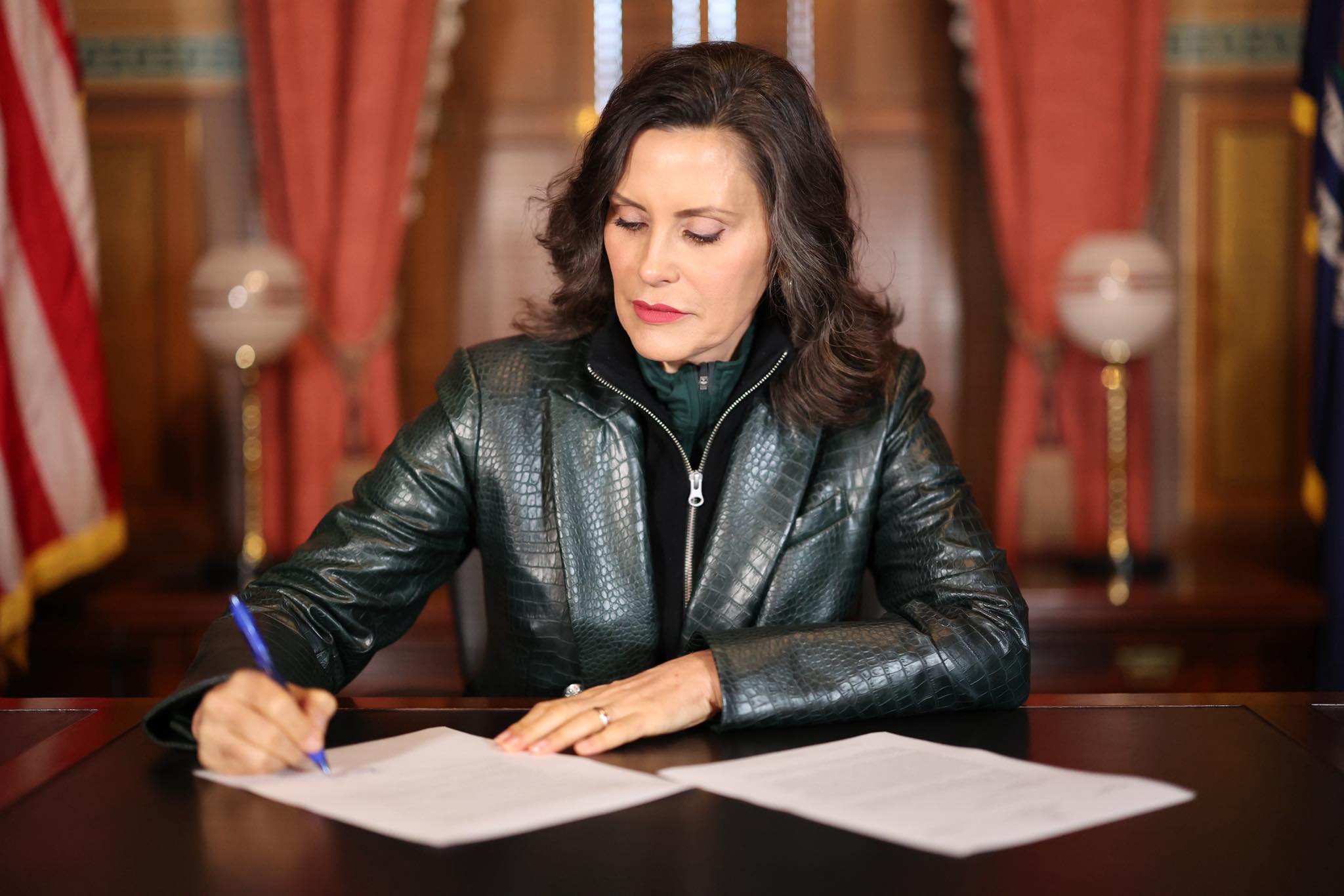
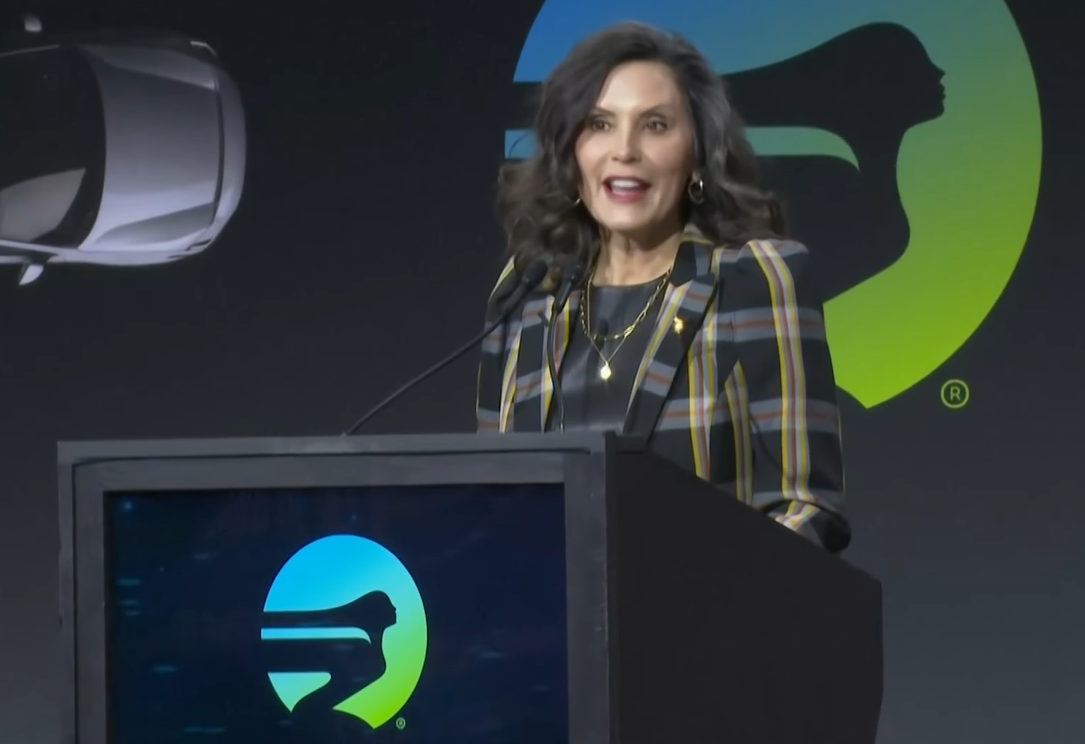
Photo caption: Michigan Gov. Gretchen Whitmer (via her Facebook page)
_______
©2026 Advance Local Media LLC. Visit mlive.com. Distributed by Tribune Content Agency LLC.

Thanks for reading CPA Practice Advisor!
Subscribe Already registered? Log In
Need more information? Read the FAQs