



By Laura Hancock
cleveland.com
(TNS)
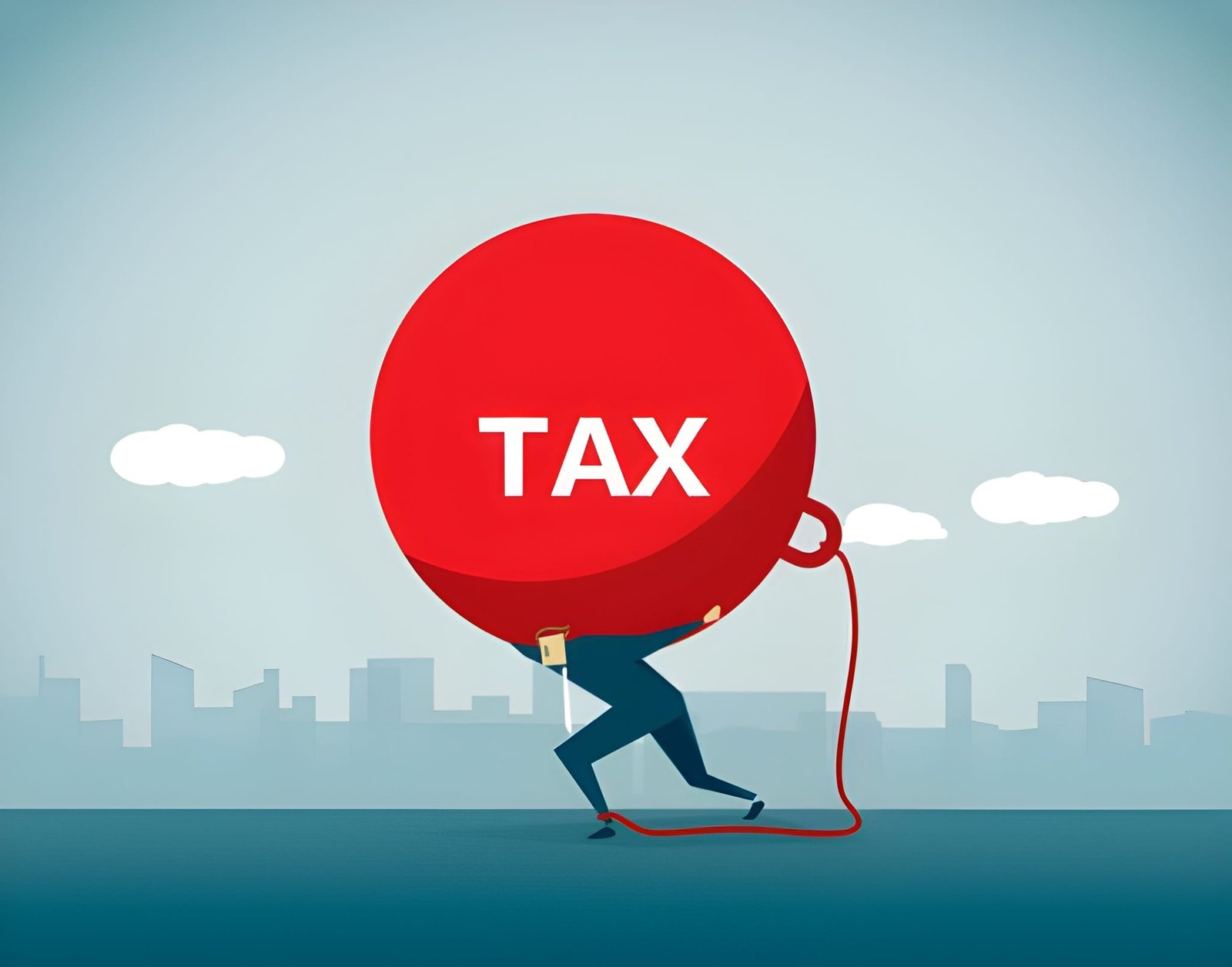
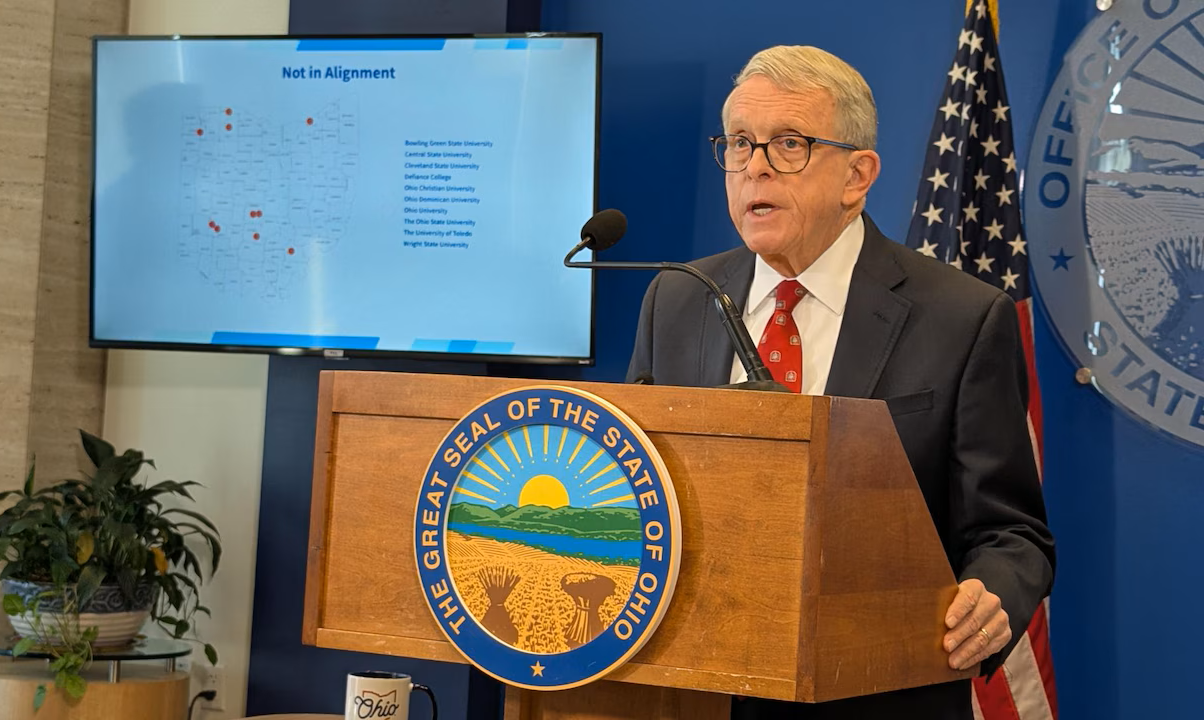
COLUMBUS — If a proposed constitutional amendment abolishing property taxes were to pass, Ohioans may see sales taxes skyrocket into the double digits, Gov. Mike DeWine said Thursday morning.
“Sales tax could go up to 17, 18, 19, 20%, sales tax in the state of Ohio on products that you buy,” DeWine said after giving remarks to career-technical education conference in downtown Columbus. “So, it would be absolutely devastating.”
DeWine also warned that policymakers could be forced to consider increasing income taxes to find new revenue as well.
Record-breaking housing price increases in recent years have led to property tax spikes in some areas of the state. A group of Ohioans formed the Committee to Abolish Ohio’s Property Taxes and is proposing an amendment to Ohio’s constitution to get rid of the revenue collection altogether.
The issue is not on the ballot yet.
Right now, the committee and volunteers are collecting signatures to get on the Nov. 3, 2026, ballot. They need just over 413,000 valid signatures of registered Ohio voters.
Members of both political parties in the legislature oppose abolishing property taxes, saying such a move would hurt hundreds of entities throughout the state that receive the money.
That includes public education, libraries, police and fire departments, county jails, courts, cities and villages, local boards providing services for seniors, for people experiencing alcohol and drug addiction and for Ohioans with developmental disabilities, among other entities.
DeWine has warned that if property taxes were eliminated, new sources of revenue would be needed to pay for the services those taxes support.
While the committee backing property tax abolishment say they want government to pare down if voters pass their issue, some services are mandated by state and federal law. And the public will demand other services—such as trash collection—regardless of whether there’s money for it.
Policymakers in both parties say it’s naïve to expect the state to make up for the loss of property taxes through cuts alone.
“We would be in a huge crisis in the state of Ohio, the legislature at that point would have to figure out where does that money come from,” DeWine said. “We could go from income tax that is the second lowest in all the states in the union that have an income tax to by far the highest, with an astronomical figure.”
Forty-five states levy a state sales tax and 38 states allow local sales taxes. The highest, according to the Tax Foundation:
- Louisiana: 10.11%
- Tennessee: 9.61%
- Washington: 9.51%
The average nationwide sales tax is 7.53%, among the states that levy it.
Ohio’s is lower than that. The state rate is 5.75%. On average, Ohioans pay 7.29% when accounting for both state and local sales taxes.
Forty-two states levy personal income taxes. In most states, tax rates vary by income bracket. The Tax Foundation found that the highest average state tax rates are:
- California: Up to 13.3%
- Hawaii: Up to 11%
- New York: Up to 10.9%
Some states have a flat tax and some states set rates by income brackets. Rates also vary by people filing individual taxes or as married, filing jointly. However, many states have tax rate under 6%, according to the Tax Policy Center.
In Ohio, the highest rate is 3.125%. Next year the state will have a flat income tax rate of 2.75% across all brackets, based on 2026 incomes.
However, the recent changes made by the General Assembly to move Ohio toward a flat tax could be questioned if the abolishment amendment gets on the ballot, DeWine said.
“I think it’s important for all of us to have a discussion about what the passage of that (amendment) would actually mean,” he said.
Photo caption: Gov. Mike DeWine says Ohio would face a revenue crisis if voters approve a proposed constitutional amendment eliminating property taxes. (Jeremy Pelzer/cleveland.com/TNS)
_______
©2026 Advance Local Media LLC. Visit cleveland.com. Distributed by Tribune Content Agency LLC.

Thanks for reading CPA Practice Advisor!
Subscribe Already registered? Log In
Need more information? Read the FAQs