Special contribution by the Illinois CPA Society.
Social media may be a refuge for your personal and professional networking, entertainment, and an escape from the daily grind, but it can be a dangerous and costly space for getting tax advice.
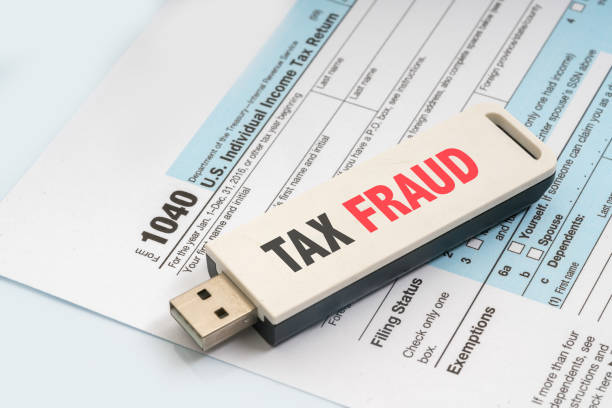
According to recent IRS warnings, a growing number of fraudulent tax schemes have been circulating across social media platforms, promoting the misuse of various tax credits or deductions that most taxpayers don’t qualify for. These scams led to thousands of taxpayers filing inaccurate or frivolous returns last year, often resulting in steep fines, including a $5,000 civil penalty. Since 2022, the IRS has imposed more than 32,000 penalties costing taxpayers more than $162 million.
Recommended Articles


Taxes March 26, 2026
What Are the Most Common Income Tax Mistakes of 2026?
Taxes February 21, 2026
2026 IRS Income Tax Refund Schedule
Tips for Spotting a Scam
Taxpayers should be wary of taking tax advice found on social media, particularly from unknown and unvetted sources or individuals, and it’s in their best interest to be aware of the warning signs of scams. Fraudulent tax advice and social media tax scams often:
- Claim everyone qualifies for certain tax credits.
- Convince taxpayers to lie on tax forms.
- Promise “easy” or “fast” refunds with minimal documentation needed.
- Instruct taxpayers to file amended returns, even if they didn’t originally qualify for the credits or deductions.
- Encourage taxpayers to ignore IRS letters or respond with false information.
- Direct taxpayers to web links of harmful sites instead of IRS.gov.
What Taxpayers Can Do
Taxpayers who come across suspicious social media posts like these should report them to the IRS, email them to phishing@irs.gov, or file a complaint with the Treasury Inspector General for Tax Administration.
Taxpayers who believe they’ve been misled and filed an incorrect return may need to amend their tax return. It’s also important to respond promptly to any IRS letters or notices that are received via the U.S. Postal Service and seek out official tax resources for help at IRS.gov.
Consulting a trusted expert is also advisable. Many CPAs—certified public accountants—specialize in representing taxpayers in front of the IRS. All year long, CPAs are ready to help guide individuals through their toughest tax challenges. The Illinois CPA Society’s free “Find a CPA” directory can help individuals find the trusted, strategic advisor that’s right for them based on location, types of services needed, and languages spoken. Find a CPA at www.icpas.org/findacpa.

Thanks for reading CPA Practice Advisor!
Subscribe Already registered? Log In
Need more information? Read the FAQs
Tags: 2026 income tax, 2026 income tax brackets, 2026 income tax deadline, 2026 income tax projections, 2026 income tax refund calendar, 2026 income tax refunds, 2026 income taxes, irs 2026, irs income tax refund tax refunds, irs income tax refunds, refund date chart, refund dates, tax crimes, tax deductions, tax fraud, tax law, tax preparers, tax professionals, will 2026 income tax refunds be delayed, will the 2026 income tax season be delayed