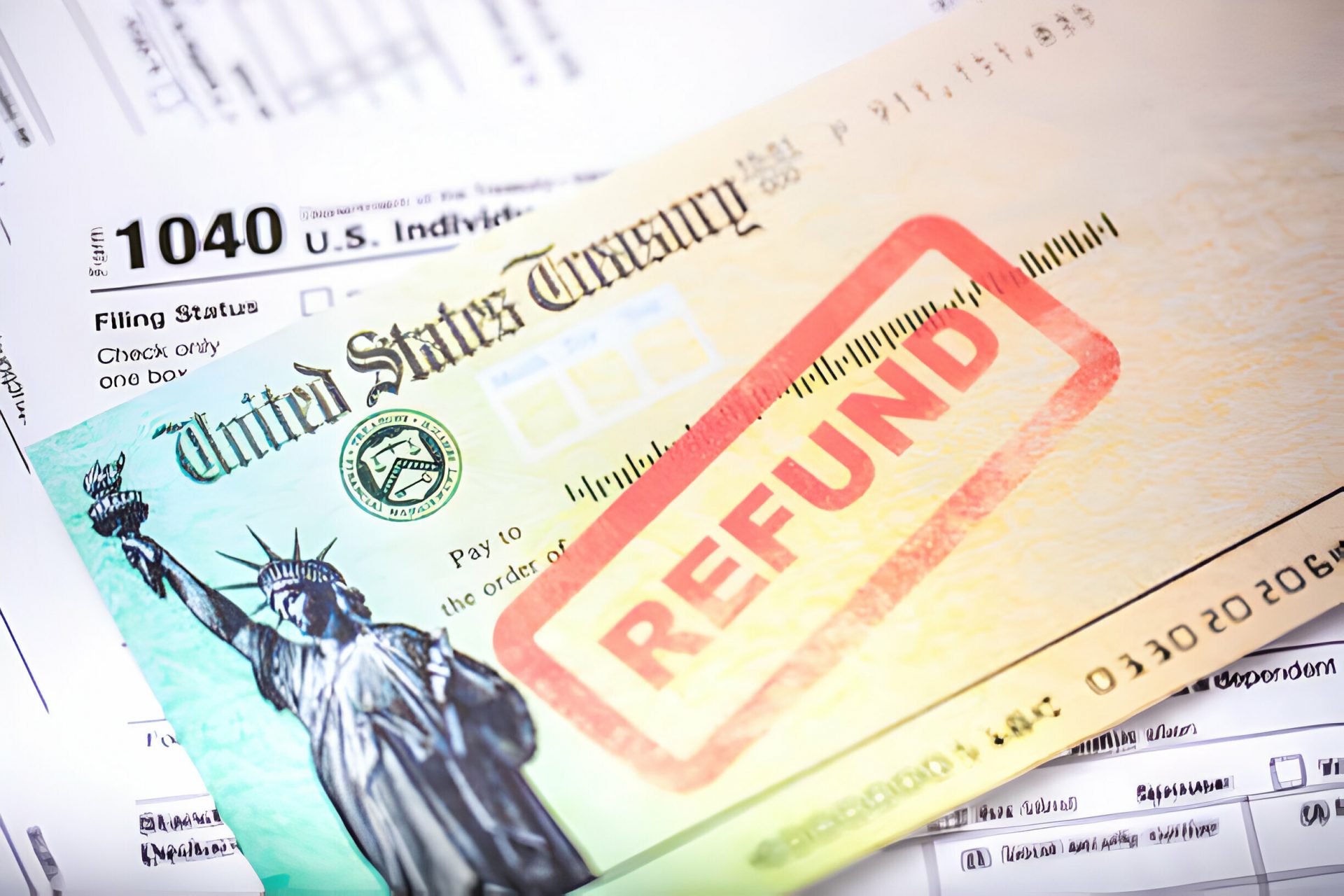



Tax season officially starts Jan. 26, 2026, when the IRS begins accepting and processing tax returns for the 2025 tax year. With the IRS anticipating more than 164 million individual tax returns will be filed by the April 15, 2026, deadline, getting an early start on preparing and filing yours is a smart strategy.
The Illinois CPA Society (ICPAS) offers these tips for simplifying the filing process:
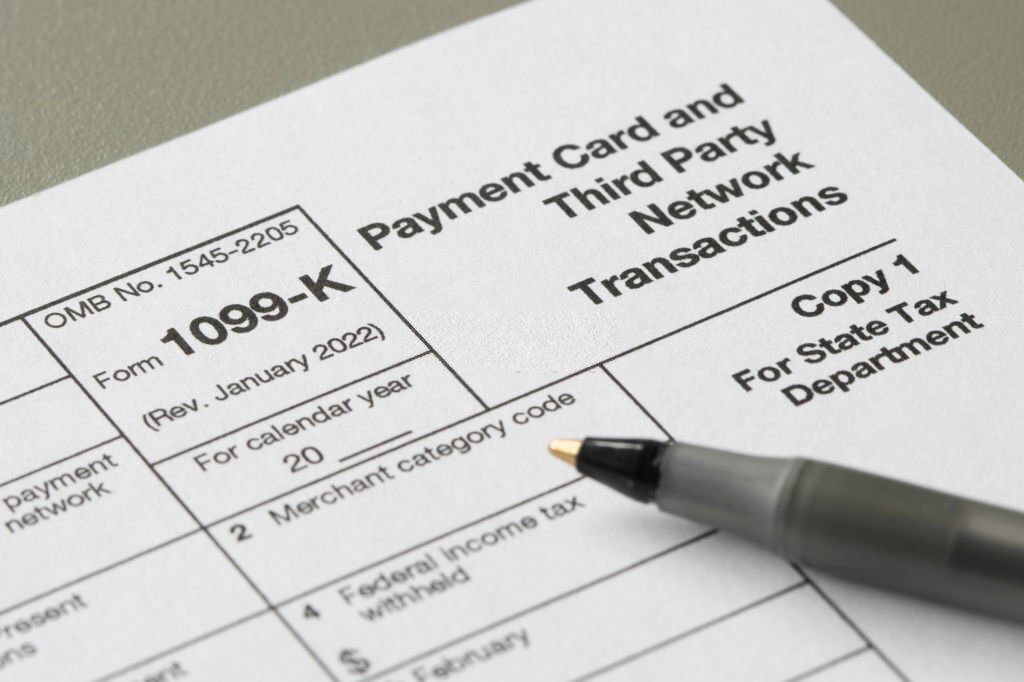
- Gather all your information first. Before starting your tax return, gather and organize all the information you’ll need. This includes all applicable 2025 tax forms, along with Social Security numbers, Individual Taxpayer Identification Numbers, and Adoption Taxpayer Identification Numbers, if applicable. Previously confirmed victims of tax-related identity theft, and taxpayers who’ve proactively requested one, should also have their current IRS-issued Identity Protection Personal Identification Numbers. For certain taxpayers, this could mean waiting to file to ensure all income and tax-related documents have been received—especially the various 1099 forms from banks and other financial institutions reporting unemployment compensation; dividends; pension, annuity, or retirement plan distributions; investment income; and other earned income.
- Use a trusted tax professional. The IRS regularly stresses to taxpayers that carefully choosing a tax professional to prepare a tax return is vital to ensuring that their personal and financial information is safe, secure, and treated with care. With this in mind, ICPAS suggests taxpayers use local CPAs—certified public accountants—for their tax preparation needs. ICPAS’ “Find a CPA” directory can help locate a trusted, strategic tax advisor based on location, types of services needed, and languages spoken. Find an Illinois CPA at www.icpas.org/findacpa.
- File electronically and use direct deposit. These are two important steps you can take to not only ensure your tax return and refund (or payment) are processed without delays but also help protect you from fraud. In fact, the IRS encourages taxpayers to avoid filing paper returns whenever possible, noting that filing electronically is the fastest, easiest, and securest way to complete a tax return. Another reason to file electronically is the U.S. Postal Service’s new postmark rule that went into effect late last year. As of Dec. 24, 2025, the postmark date on mail will be the date the mail is processed by the postal facility, not the date when the mail is dropped off in a mailbox. This means, taxpayers dropping off their tax returns in a mailbox on April 15, 2026, risk late tax returns and IRS penalties.
For most taxpayers, the deadline to file their personal federal tax return, pay any tax owed, or request an extension to file is April 15, 2026. If a taxpayer lives in a federally declared disaster area, they may be entitled to extra time to file. Taxpayers requesting an extension will have until Oct. 15, 2026, to file. However, if taxes are owed, it’s still a taxpayer’s obligation to pay those taxes by April 15, 2026.
Recommended Articles

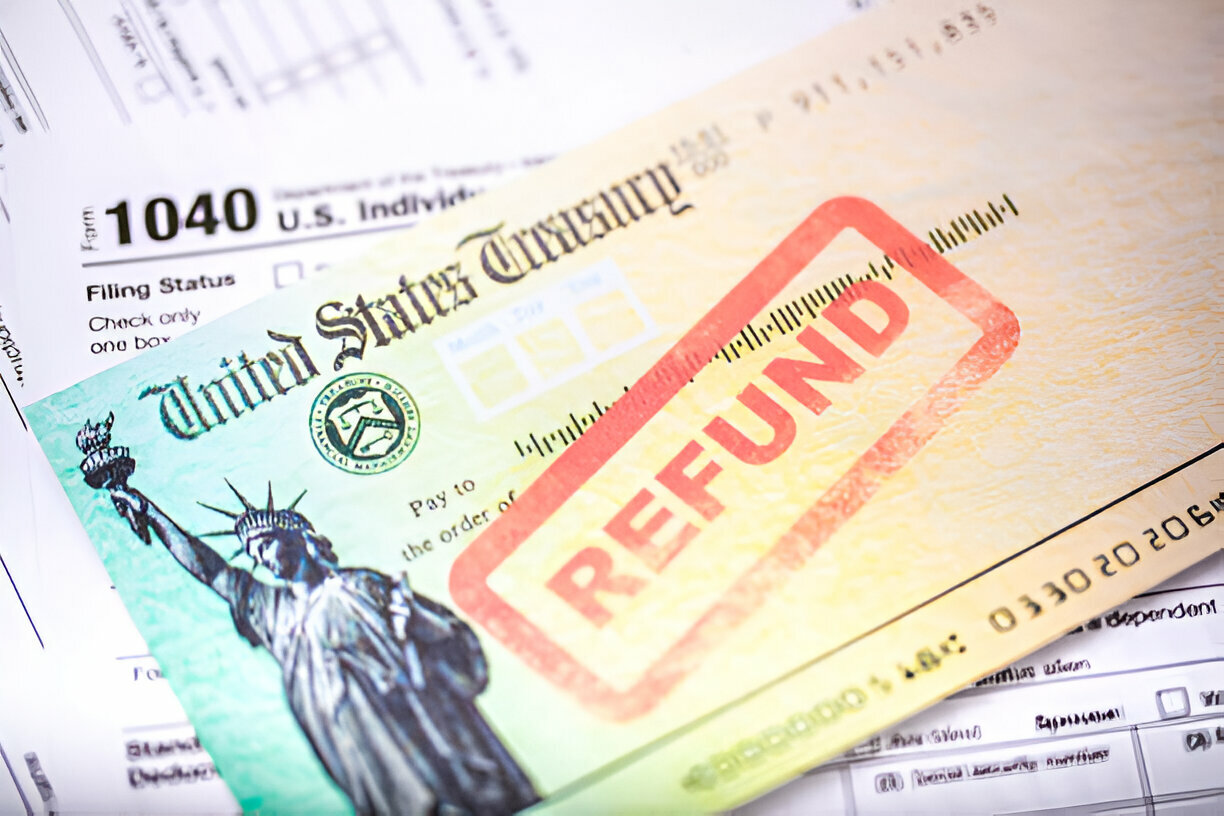
Overall, the IRS generally estimates taxpayers who are due refunds will receive them within 21 business days if they file electronically, choose direct deposit, and there are no issues with their tax returns. The IRS’ “Where’s My Refund” webpage will allow taxpayers to see more detailed refund status updates this filing season.

Thanks for reading CPA Practice Advisor!
Subscribe Already registered? Log In
Need more information? Read the FAQs
Tags: Income Taxes