



By Kurt Erickson and Natanya Friedheim
St. Louis Post-Dispatch
(TNS)
JEFFERSON CITY — Gov. Mike Kehoe wants Missouri voters to phase out the state’s income tax and fill the resulting $9 billion budget hole with an expansion of the state’s sales tax base.
In his second State of the State speech to a joint session of the House and Senate Tuesday, the Republican governor also called on lawmakers to approve a state budget he says will stabilize a $54 billion spending plan amid flat revenue growth and a dwindling surplus.
“The question before Missourians will be clear: Should Missouri begin a phased elimination of the individual income tax, with a full repeal within the next five years?” Kehoe said.
The ambitious and politically tricky income tax overhaul, which received a thumb’s down from Democrats in the House and Senate, calls for lawmakers to place a question on the November ballot seeking to lift a constitutional prohibition on expanding the state’s sales tax base. Missouri voters put that prohibition in place in 2016.
Passage of the question would allow lawmakers to begin shifting away from a reliance on Missouri’s 4.7% income tax, which generates about 65% of the state’s revenue for services ranging from prisons to schools.
Kehoe said eliminating the income tax would allow Missouri to compete with states such as Tennessee and Texas, which do not have individual income taxes.
“Missouri’s population is stagnant. Over the past decade, our economic growth has been average at best. That’s not a trend we should accept, and it is one we cannot afford to continue,” Kehoe said.
Recommended Articles
Taxes November 20, 2025
Missouri Gov. Says He Plans to Phase Out State’s Income Tax
Senate Minority Leader Doug Beck, D-Affton, said such a move could hurt seniors and low-income Missourians by requiring them to pay sales taxes on currently untaxed items such as haircuts, lawn care or other services, while also affecting businesses that may face fewer customers because of higher prices driven by new taxes.
“Anything that would raise costs on Missourians would definitely have an uphill battle in the Senate,” Beck said.
“We need people to be focused on affordability,” said Sen. Tracy McCreery, a St. Louis County Democrat. “I do not want to see any new taxes.”
The state currently collects 4.225% sales tax on nonexempt items purchased at retail. The first 3% of that goes to Missouri’s general revenue account to help pay the expenses of the state government.
The remainder is divided between education, conservation and parks, and soils and water.
Local governments also charge sales taxes to support fire departments, libraries, museums, ambulance service, health clinics and entertainment districts, meaning sales taxes in some areas can add more than 10% to the cost of goods.
Kehoe’s gambit will ask voters to reverse themselves after they approved a constitutional amendment in 2016 banning new state or local sales taxes on services, preventing potential taxes on commissions or fees for such services as real estate, legal, or accounting.
A political action committee formed by the Missouri Realtors spent $5.6 million promoting the ban and it won with 57% of the vote.
Kehoe said he would carve out some industries to ensure they are not subjected to higher sales or use taxes, including real estate sales and services, agriculture and health care.
The 2016 vote served as a rebuttal of Republican mega-donor Rex Sinquefield of St. Louis, who has spread an estimated $45 million in campaign contributions to state officials in search of various policy changes, including shifting the state away from its reliance on income taxes.
Sinquefield, a former financier, gave Kehoe more than $1 million during the governor’s successful 2024 campaign.
The Missouri Budget Project, a think tank that studies the state’s tax system, said Kehoe’s plan will benefit wealthier Missourians because it will require low- and middle-income residents to pay a greater share of their earnings in taxes than higher-income residents.
“Governor Kehoe just proposed one of the largest and most devastating tax increases in state history, while trying to deceive Missourians into thinking it’s a tax cut,” said House Minority Leader Ashley Aune, D-Kansas City, at a press conference following the governor’s hour-long speech.
Budget issues
The governor’s proposed budget cuts amount to about $600 million, or 4%, of the state’s projected spending in the fiscal year beginning July 1.
Most big-ticket items in the proposed budget remain flat, including Missouri’s school funding formula, which provides $4 billion to the the state’s public school districts.
Pay raises also are off the table for the state’s 41,400 full-time employees, who earn an average of $55,800, according to the Office of Administration.
Kehoe also turned down Treasurer Vivek Malek’s request to double the amount spent on the state’s private school voucher program, instead adding $10 million to the program, rather than the $50 million sought.
“Students across our state have brighter futures because their families were given educational choice. They remind us that when we put students first, opportunity follows,” Kehoe said.
The plan predicts that state spending will chew through a $2 billion surplus amassed from a surge of federal pandemic relief money, leaving the state with less than $5 million in the bank at the end of the next fiscal year.
“We need to get the budget on a sustainable path,” said Kehoe’s budget chief, Dan Haug.
Among new spending, the budget calls for an additional $86 million to assist St. Louis with debris removal from the May 2025 tornado. That is in addition to $100 million earmarked for the city’s clean-up efforts during a special session last year.
“We’re putting significant resources into it,” Haug said. “The city of St. Louis has been a very good partner with us on that.”
The state bill for the Medicaid program providing health insurance to low-income Missourians also is set to rise to cover the cost of stricter federal rules, such as verifying that recipients are working or are looking for jobs.
The spending plan has buy-in from Republican leaders, including House Speaker Jon Patterson, R-Lee’s Summit, House Budget Committee Chairman Dirk Deaton, R-Seneca, and Senate President Cindy O’Laughlin.
“We need to take a close look at spending,” O’Laughlin said.
Senate Majority Leader Tony Luetkemeyer, R-Parkville, said Senate Republicans look forward to partnering with the governor.
“There are a lot of things that we agree on, including giving more educational choice for parents,” he said, adding that making sure Missouri is a “low-tax environment” will spur economic development and create jobs.
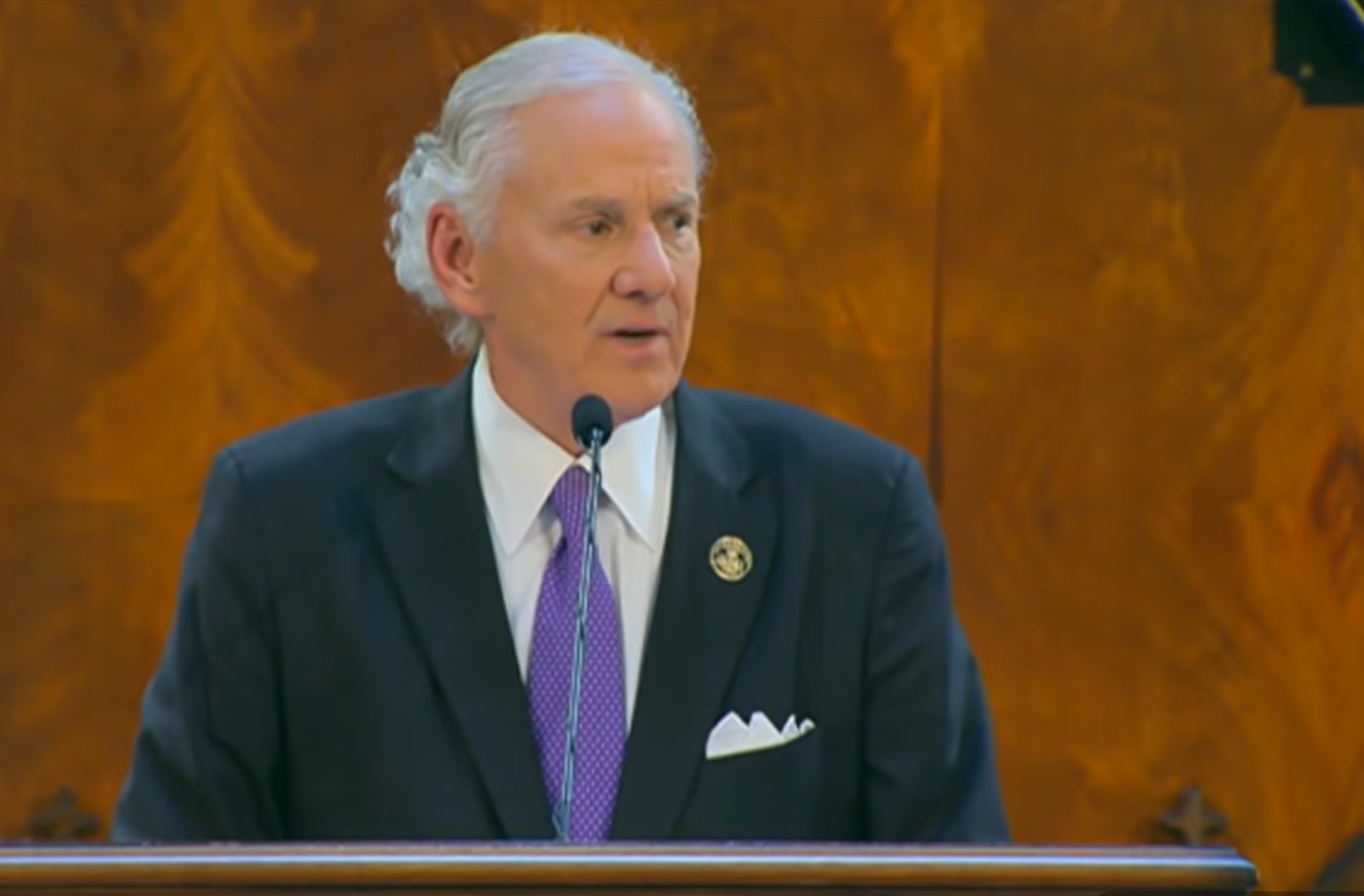
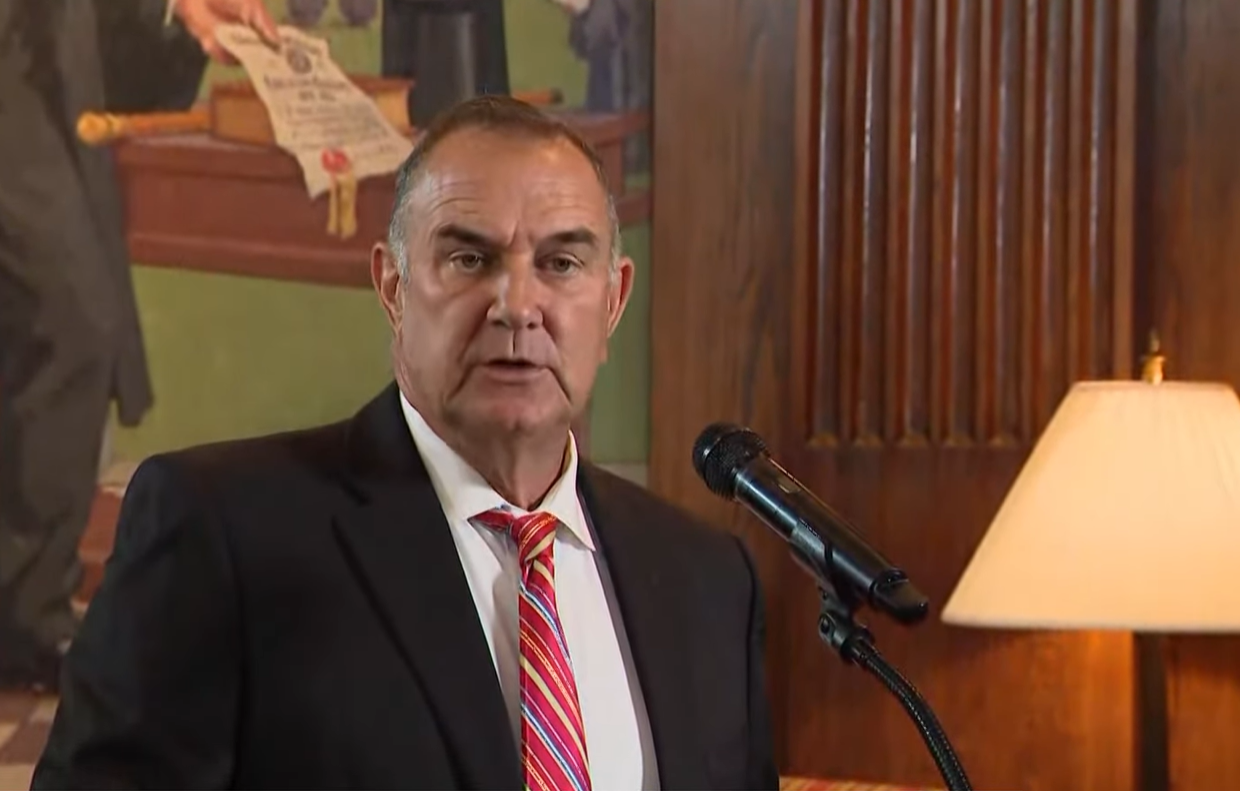
Photo caption: Missouri Gov. Mike Kehoe.
_______
© 2026 the St. Louis Post-Dispatch. Visit www.stltoday.com. Distributed by Tribune Content Agency LLC.

Thanks for reading CPA Practice Advisor!
Subscribe Already registered? Log In
Need more information? Read the FAQs
Tags: Income Taxes, Mike Kehoe, Missouri, Sales Tax, sales taxes, Taxes