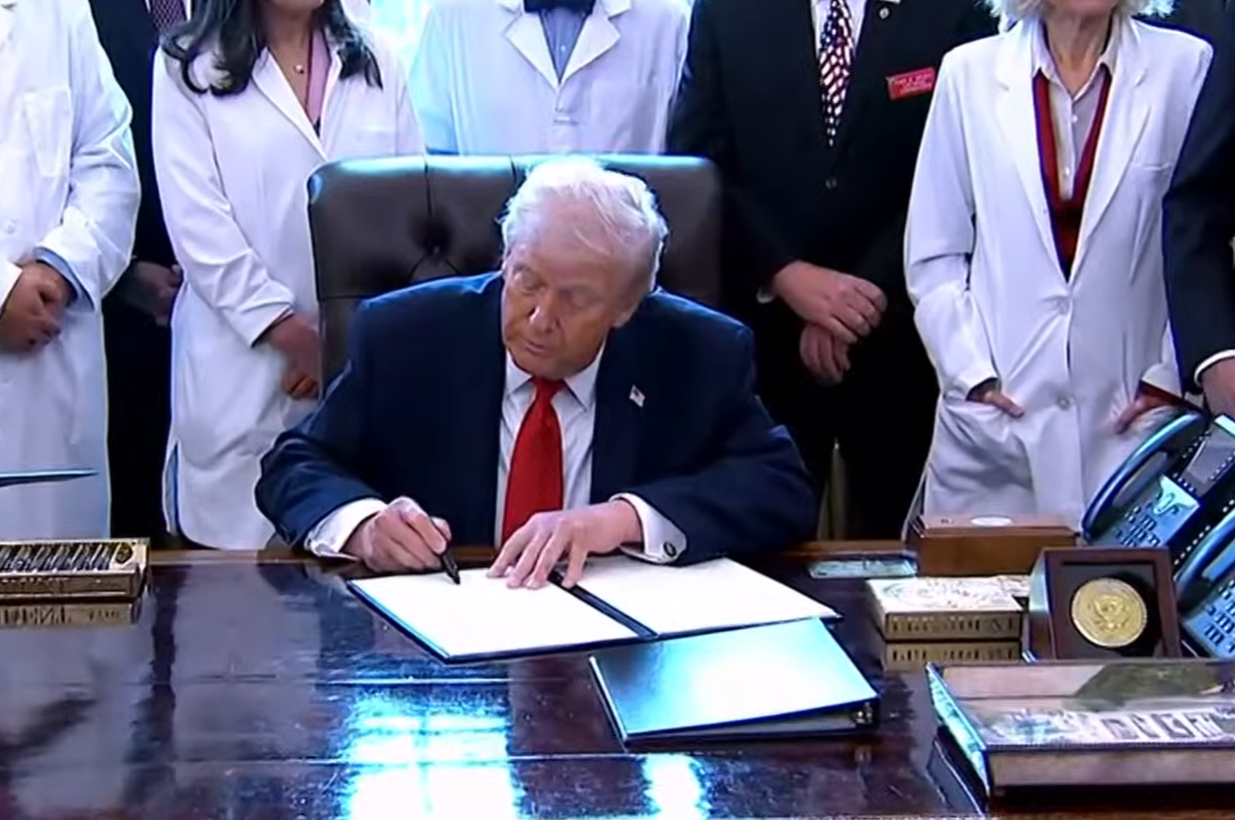




The One Big Beautiful Bill Act (OBBBA) created a new sort of investment vehicle for families: the Trump account. Essentially, a Trump account is a hybrid of an IRA and Section 529 plan account. The IRS has yet to issue in-depth guidance on Trump accounts, but we have provided an outline of some basic rules below.
Starting point: A Trump account may be initially funded by the federal government through a $1,000 “bonus” for children born between January 1, 2025, and December 31, 2028. In addition, subsequent contributions may be made on behalf of this group of newborns or other qualified children.
[This is part of a Special Series on the tax changes made by the One Big Beautiful Bill Act, which was enacted in July 2025. It includes a wide range of changes to individual and corporate taxes, deductions, credits, forms and other topics, that affect tax filing starting this year into the future.]
Recommended Articles


To qualify, a child must be a U.S. citizen with a Social Security number and be age 17 or younger at the close of the tax year. Trump accounts will be available in 2026 but contributions to the account can’t begin until July 4, 2026—one year after the OBBBA’s date of enactment.
Annual contributions of up to $5,000 (indexed for inflation, beginning in 2028) are allowed until the year the child turns age 18. The contributions can be made by anyone including parents, grandparents, other relatives and close friends. Even employers may contribute up to $2,500 a year (although it’s not yet clear if an employer’s contributions count toward the $5,000 annual limit). Note: Any government—federal, state or local—and charities may contribute to the account without regard to the $5,000 contribution limit.

As with IRA and 529 accounts, amounts contributed to a Trump account are invested without any current tax due on the earnings, although contributions are nondeductible. Typically, investment choices will feature mutual funds and exchange-traded funds (ETFs).
Generally, no withdrawals are permitted during the account’s initial phase. The amounts contributed to the account compound tax-deferred until the child reaches age 18. Then the account must be converted into an IRA at which time withdrawals may be made under the traditional IRA rules. Although distributions attributable to after-tax contributions are exempt from tax, the portion allocable to earnings is taxable as ordinary income. Thus, it’s likely a beneficiary will owe some tax on future withdrawals from a Trump account.
Furthermore, withdrawals made before age 59½ are generally assessed a 10% tax penalty on top of the regular income tax. As with IRAs, certain exceptions may apply.
Otherwise, funds in a Trump account can be used for any type of expense. Unlike a 529 plan, the money doesn’t have to go toward qualified education expenses to benefit from favorable tax treatment.
Finally, required minimum distributions (RMDs) must be taken from the account after the beneficiary reaches a specified age. (An earlier version of the OBBBA provision included mandatory withdrawals after age 30.) Under current law, the age threshold for RMDs from Trump accounts is scheduled to be 75.
Reminder: This is just a brief overview of some of the key tax rules relating to the new Trump accounts. The IRS is expected to provide more details during the next few months. Keep an eye out for any important developments. When you have all the necessary information, you can clients determine if Trump accounts are right for their situation.

Thanks for reading CPA Practice Advisor!
Subscribe Already registered? Log In
Need more information? Read the FAQs