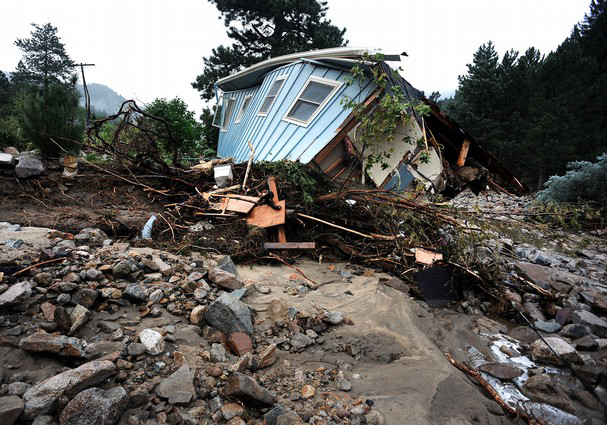




While taxpayers are afforded a statutorily-prescribed period to replace property destroyed by a federally-declared disaster, the process for requesting an extension is not automated.
The American Institute of CPAs (AICPA) is recommending that the Internal Revenue Service (IRS) implement an automated system for processing extension requests from taxpayers impacted by federally declared disasters, allowing them certainty when requesting additional time to replace involuntarily converted property under section 1033 of the Internal Revenue Code.
Section 1033(h) provides four- and two-year replacement periods for personal residences and business or investment property damaged by a federally declared disaster, respectively. Taxpayers may request an extension to such replacement periods if the taxpayer has reasonable cause for the delay and submits a request before the replacement period expires.
Recommended Articles
![natural_disasters_list_1_.56117a5e5df03[1]](https://www.cpapracticeadvisor.com/wp-content/uploads/2021/12/natural_disasters_list_1_.56117a5e5df03_1_.61c1db14bf0ea.png)
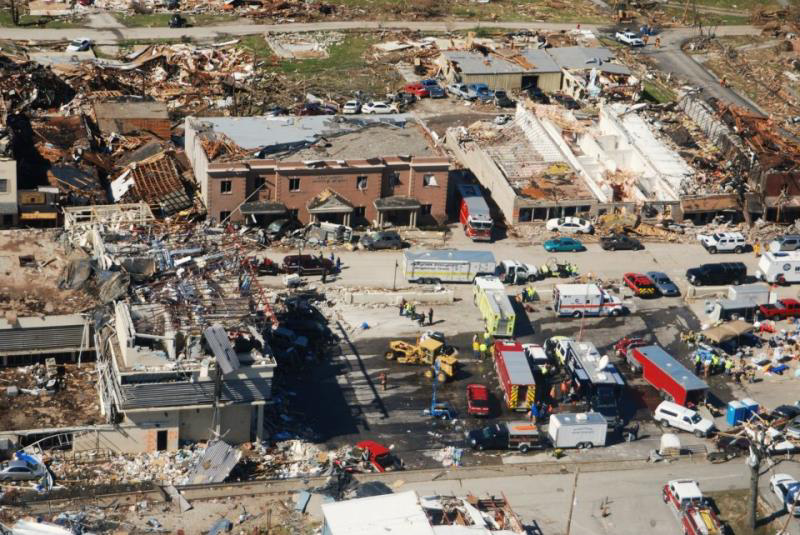
The primary issue with extension requests, however, has been whether the taxpayer receives approval before expiration of the original replacement period.
The AICPA is requesting that the IRS leverage the use of its online taxpayer accounts to streamline the extension request submissions and notifications for section 1033 requests and establish an automated procedure to approve such requests submitted by taxpayers affected by federally declared disasters.
Alternatively, the AICPA recommends that the IRS consider automatic approval of extension requests that have been pending with the IRS for more than a specified period of time (e.g., 30-60 days), provided certain streamlined criteria are met.
“Many taxpayers and practitioners have encountered challenges and delays when awaiting extension request approvals, with some quickly receiving approval within 30-60 days from the date of submission while others receive approval months after expiration of the replacement period,” said Daniel Hauffe, Senior Manager for Tax Policy & Advocacy with the AICPA. “Automating this process would significantly reduce the IRS’s need to allocate resources to these types of requests and afford taxpayers and practitioners certainty when attempting to replace property destroyed by disasters.”

Thanks for reading CPA Practice Advisor!
Subscribe Already registered? Log In
Need more information? Read the FAQs
Tags: AICPA, disaster, flood, Income Taxes, IRS, tax relief