



By John L. Micek
masslive.com
(TNS)
If you live in Ohio, Georgia, Indiana, Kentucky, Mississippi, Montana, Nebraska, North Carolina, or Oklahoma, congratulations, you’re going to get a break on your state income taxes in 2026.
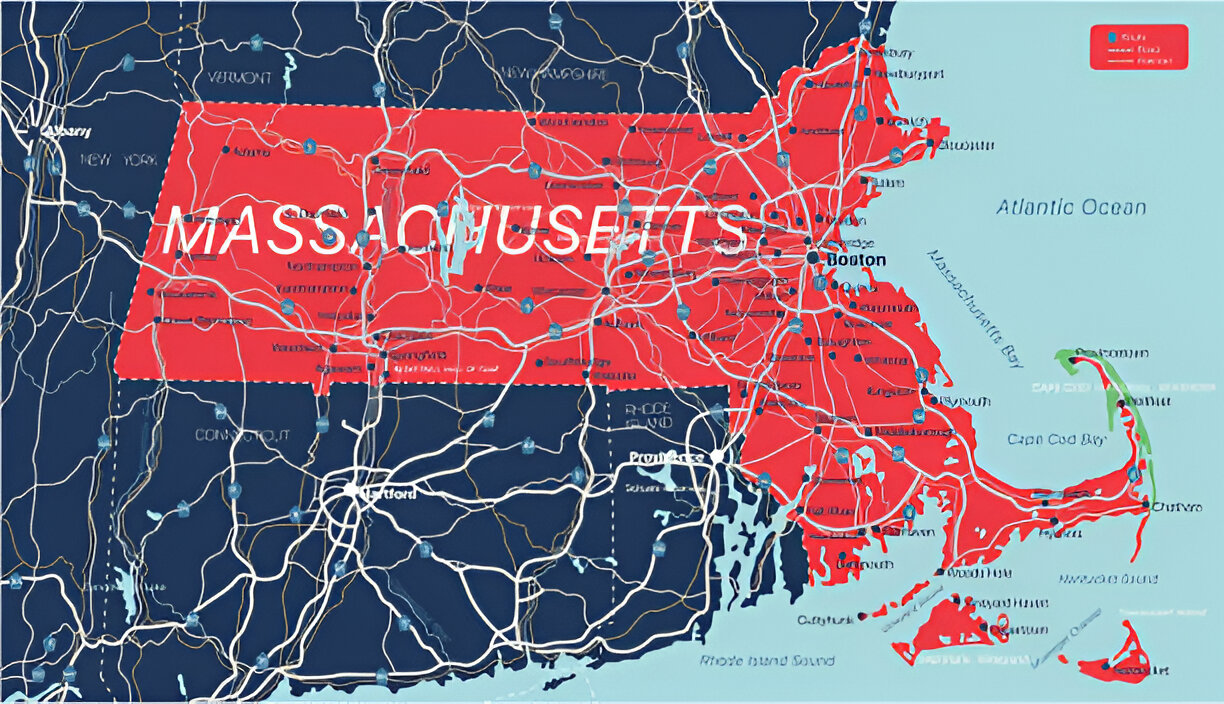
If some reformers get their way, the Bay State could be next, though the path to a tax cut will be a little more complicated—and is likely to be hugely expensive.
The early signs are already there: There’s entrenched legislative opposition and big, big spending.
The pro-business Massachusetts Opportunity Alliance is pushing for a pair of proposed ballot questions this year. One of them would lower the state’s income tax from 5% to 4% and another would dole out tax refunds more often.
The constellation of business interests has so far poured about $1.6 million into a pair of proposed ballot questions, arguing that it’s past time that Massachusetts joins the company of the 28 states that have cut their income tax rates since 2021.
Those reductions have “[boosted] their economies and [delivered] tax relief. Residents want Massachusetts to get on board,” Jim Stergios, the alliance’s co-organizer and the executive director of the Pioneer Institute, told MassLive in a statement.
“Massachusetts has one of the highest tax burdens in the country, so it’s no surprise that a large majority of voters support an income tax cut,” Stergios said.
“This strong support holds across income brackets, party lines, and union membership status. Research shows that an income tax cut would save taxpayers an average of $1,300 per year while adding billions of dollars to the state’s GDP,” he concluded.
The proposal that would return excess tax money to state residents cleared a key procedural hurdle last week, as it garnered enough signatures to go before the state Legislature. The income tax cut proposal cleared the same hurdle in mid-December.
There, lawmakers can pass the proposals into law (or not). If that happens, supporters will have to gather an additional 12,429 signatures to get them on the ballot in November, Secretary of State Bill Galvin’s office said.
And the way the pro-business Massachusetts Fiscal Alliance sees things, the go-ahead from the voters can’t come soon enough.
“While other states are cutting income taxes to attract workers, retirees, and investment, Massachusetts is busy doing the opposite. Beacon Hill has at times paid lip service to our declining competitiveness, but its actions tell a very different story,” the group’s executive director, Paul Diego Craney, said in a statement.
Craney pointed to a Wall Street Journal editorial praising those states for their tax-cutting ways.
Ohio, for instance, is moving from a 2.75% flat income tax to a top marginal rate of 3.125%, according to the Journal. In 2015, the top marginal rate was 5.33%, the newspaper’s editorial board wrote.
Nebraska, meanwhile, is cutting its income tax to 4.55%, down from 5.2%, with a cut to 3.99% on the books for 2027, according to the Journal’s editorial board. Kentucky’s 4% income tax is dropping more modestly to 3.5%.
“These states understand a basic truth Beacon Hill refuses to accept: lower marginal tax rates encourage work, reward productivity, and keep people from leaving. High taxes don’t just punish success. They drive it away,” Craney said.
In public appearances over the past two years, Democratic Gov. Maura Healey has repeatedly touted the $1 billion tax cut that she signed into law in October 2023.
That bill, which delivered tax breaks to parents with children, older Massachusetts residents, and renters, left the state’s income tax rate untouched.
The tax remains one of the state’s largest sources of revenue. And a mid-month report delivered to lawmakers in December underscores its role in the state’s financial picture.
Through Dec. 18, the state had collected $981 million in income taxes, Revenue Commissioner Geoffrey E. Snyder wrote to legislative leaders. That was down $40 million, or 3.9%, compared to the same period in December 2024.
Top budget writers in the majority-Democrat state Legislature have argued that cutting the income tax would add up to a financial nightmare.
“These questions would only benefit high-end earners and would require either dramatic spending cuts or other tax increases in order to maintain the commonwealth’s fiscal stability,” House Ways and Means Committee Chairperson Aaron Michlewitz, D-3rd Suffolk, said during a hearing last month, according to WBUR-FM.
Tax hawks have argued that Healey’s self-professed efforts to make the state more business-friendly are undercut by other policies, including the state’s “Millionaires’ Tax,” which voters approved at a statewide referendum in 2022.
Recommended Articles


They have claimed that the levy and other state policies are causing people to flee the state. An April report by the Institute for Policy Studies and State Revenue Alliance argued the opposite.
Craney is betting on the voters to know better.
“A successful income tax reduction ballot question would be a clear signal that Massachusetts is ready to rejoin the national conversation on growth and affordability. If lawmakers won’t follow the successful examples set by other states, voters should lead,” he said.
Photo caption: A view of the Massachusetts State House in Boston, looking across Beacon Street from the Boston Common. (John L. Micek/MassLive/TNS)
_______
©2026 Advance Local Media LLC. Visit masslive.com. Distributed by Tribune Content Agency LLC.

Thanks for reading CPA Practice Advisor!
Subscribe Already registered? Log In
Need more information? Read the FAQs
Tags: income tax cuts, Income Taxes, massachusetts, tax cuts, Taxes