


By Sabrina Eaton
cleveland.com
(TNS)
WASHINGTON – As enhanced Affordable Care Act premium subsidies approach their year-end expiration, Republican U.S. Sens. Bernie Moreno of Ohio and Susan Collins of Maine are introducing legislation to extend the tax credits for two years while imposing new restrictions on eligibility.
The Consumer Affordability and Responsibility Enhancement (CARE) Act would cap subsidy eligibility at $200,000 in household income and require all enrollees to pay a minimum of $25 per month in premiums, eliminating the zero-premium plans currently available to lower-income Americans.
The CARE Act represents one of the first GOP proposals to address the impending subsidy expiration, though it remains to be seen whether it can gain sufficient support in Congress in the weeks before the current credits expire at the end of the year.
If the subsidies expire, premiums could for enrollees in Affordable Care Act plans could double. More than half a million Ohioans could be affected.
Moreno, in a statement about the CARE Act, accused former President Barack Obama and the Democratic party of creating a disaster that lined “the pockets of massive insurance companies while healthcare costs for everyday Americans skyrocketed,” but said the American people shouldn’t have to pay the price for their “incompetence.”
“I am willing to work with anyone to finally bring down costs for all Americans and hope my colleagues across the aisle will commit to doing the same,” said Moreno.
A statement from Collins said Congress needs to “pursue practical solutions that increase affordability without creating sudden disruptions in coverage.”
The CARE Act proposal, Collins said, would help prevent unaffordable increases in health insurance premium costs for many families by extending the Affordable Care Act enhanced premium tax credits for two years and putting a reasonable income cap on these subsidies to ensure they’re going to those who need them.
The looming subsidy cliff
The enhanced premium tax credits, which were introduced in 2021 under the American Rescue Plan Act and extended through 2025 by the Inflation Reduction Act, have significantly reduced costs for marketplace enrollees. The subsidies have helped drive enrollment from approximately 11 million to more than 24 million people, according to KFF.
Without congressional action, these enhanced subsidies will expire at the end of 2025, potentially doubling premiums for many enrollees.
The Congressional Budget Office predicts that without an extension through 2026, the number of people without insurance will rise by 2.2 million in 2026, by 3.7 million in 2027, and by 3.8 million, on average, in each year over the 2026-2034 period.
According to KFF analysis, subsidized enrollees currently pay an average of $888 annually in premiums. If the enhanced tax credits expire, that amount would jump to $1,904 in 2026—a 114% increase. The analysis estimates that extending the enhanced premium tax credits would save subsidized enrollees an average of $1,016 over the year in 2026.
Middle-income earners above 400% of the federal poverty level would be particularly affected by the return of the “subsidy cliff.” Under current enhanced subsidies, premium payments are capped at 8.5% of household income regardless of earnings. Without this cap, many middle-income families could see their monthly costs more than double, according to the American Journal of Managed Care.
Key provisions of the CARE Act
The Moreno-Collins legislation would:
- Extend subsidies for two years. The bill provides a temporary extension of enhanced premium tax credits through 2027, describing them as a “glidepath off the COVID-era subsidies.”
- Cap eligibility at $200,000 household income. The legislation would end premium tax credits for households earning above this threshold.
- Eliminate zero-premium plans. All enrollees would be required to pay a minimum of $25 per month in premiums, regardless of income level.
Broader context
The expiration of enhanced subsidies comes as insurers are proposing significant rate increases for 2026.
Health policy analysts have warned that allowing subsidies to expire could have widespread consequences beyond individual affordability.
Higher uninsured rates would likely increase the burden of uncompensated care on hospitals and safety-net providers, particularly in rural areas and states that have not expanded Medicaid.
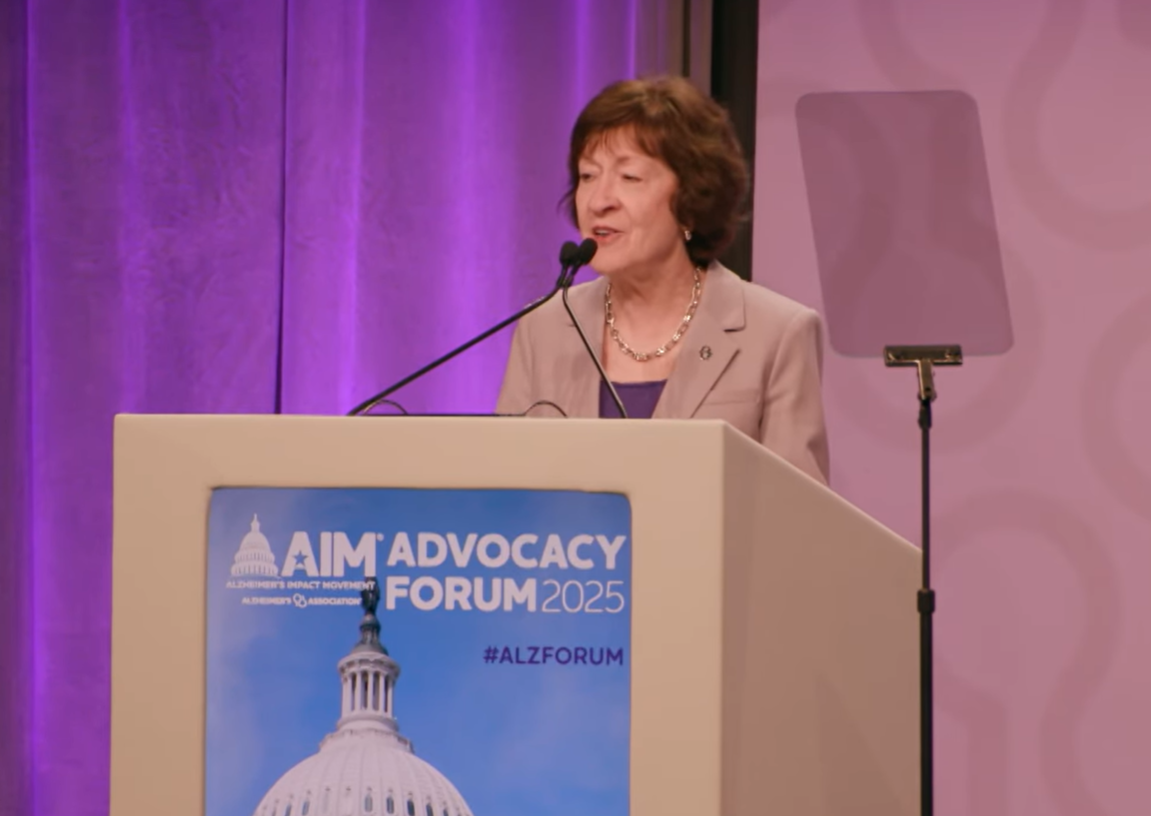
Photo caption: Sen. Susan Collins (R-ME)
_______
©2025 Advance Local Media LLC. Visit cleveland.com. Distributed by Tribune Content Agency LLC.

Thanks for reading CPA Practice Advisor!
Subscribe Already registered? Log In
Need more information? Read the FAQs