


By Anna Staver
cleveland.com
(TNS)
COLUMBUS, Ohio — Even if you never claim a tax deduction, the federal government may still know which charities you support.
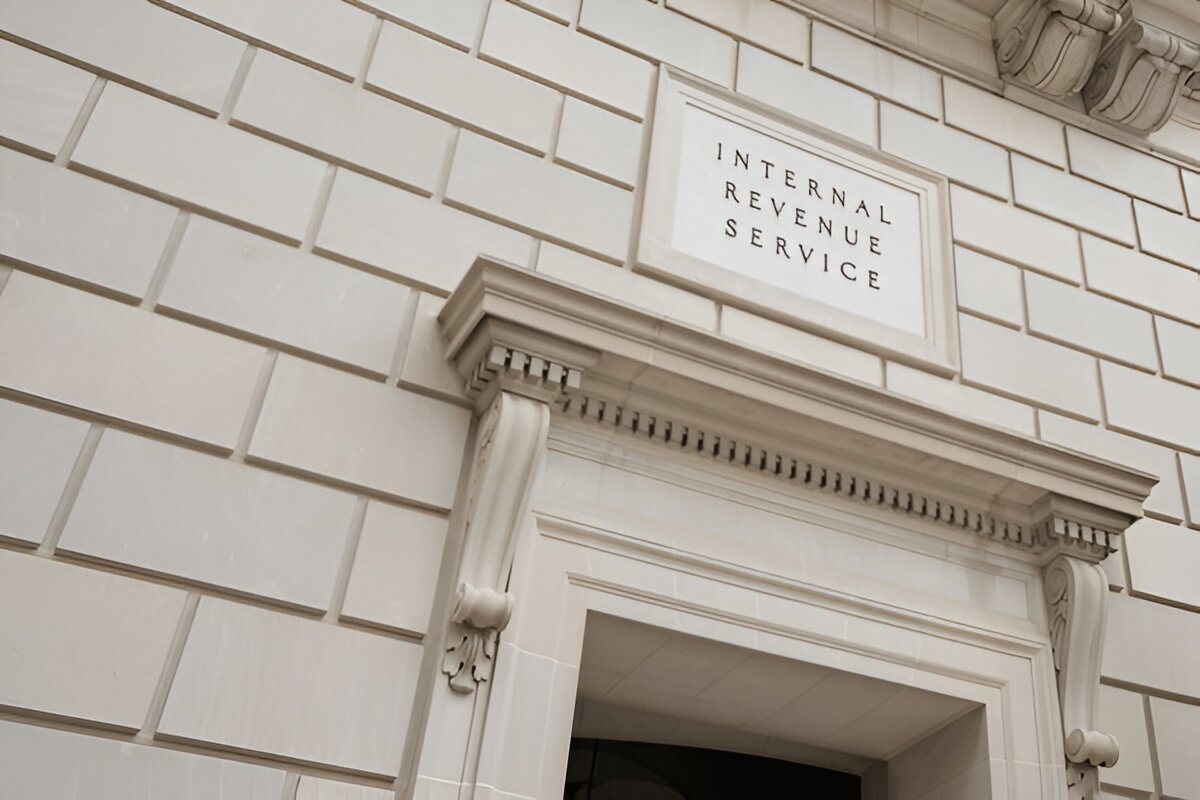
Federal rules require nonprofit organizations to disclose the names of their major donors to the IRS, giving officials insight into who backs which causes.
Ohio’s Buckeye Institute, a nonprofit conservative think tank based in Columbus, says reporting donors in this way chills our First Amendment freedom of association, and it’s asking a federal court to stop the practice.
“Creating convenient lists of supporters for every 501(c)(3) organization and providing those donors’ names and addresses to the IRS is fundamentally un-American, Buckeye Institute President Robert Alt said. ”It’s also unconstitutional.”
The IRS and its supporters disagree.
The Tax Law Center at New York University said in a court brief that Americans deduct more than $60 billion annually for charitable giving.
Without donor lists, taxpayers could inflate their deductions, disguise purchases as donations or claim gifts to ineligible organizations. The center said requiring charities to report their biggest donors deters fraud and protects federal revenue.
But several civil liberties groups told the court this isn’t just about revenue or tax forms—it’s about protecting the right to back a cause without fear.
The New Civil Liberties Alliance said the IRS shouldn’t be able to use “tax policy as a backdoor to chill constitutional freedoms.”
The audit that started it all
In the spring of 2013, Buckeye lobbied hard against Medicaid expansion and helped convince Republican lawmakers to strip then-Gov. John Kasich’s proposal from the state budget.
Weeks later, the Cincinnati IRS office told the conservative think tank it was being audited.
Alt said donors feared the audit was retaliation for Buckeye’s lobbying. Some stopped giving; others switched to smaller cash gifts to avoid appearing in the group’s records.
“They were concerned, given the political targeting, that they might be subjected to similar treatment,” Alt said.
At the same time, the IRS was under fire nationally. Internal documents showed employees were using “Be On the Lookout” lists to flag certain nonprofits with conservative identifiers for extra scrutiny.
Between the local audit and the national headlines, Buckeye says its fundraising suffered. But Alt argues the harm went deeper.
The lawsuit says the episode limited “Buckeye’s ability to speak, associate, and assemble with like-minded citizens,” violating its First Amendment rights.
Why the IRS collects donor data
Nonprofits don’t pay federal income taxes, but they must file paperwork to maintain that benefit.
Since 1969, that’s included a list of “substantial contributors,” anyone who gives $5,000 or more in a year. Those lists aren’t public, but they have leaked.
In 2021, ProPublica published a series of stories based on a massive trove of IRS data that included tax information for wealthy Americans and donors to politically active nonprofits.
Alt said that reinforced donors’ fears that information held by the government isn’t always safe.
The government says the reporting rule exists for a reason.
The tax code gives donors billions of dollars in deductions each year, and Congress wanted to ensure those write-offs are legitimate.
As the Tax Law Center at NYU noted, reporting requirements deter abuse. Former IRS Commissioner Charles Rettig put it more bluntly: Compliance is around 45% when income isn’t reported to the IRS but rises above 95% when it is.
“There is no basis in the law for Buckeye to demand the benefits that Congress provided while avoiding the conditions that Congress placed on those benefits,” according to the IRS’s brief.
Why Buckeye waited to sue
Buckeye filed its case nearly a decade after that audit because Alt said he didn’t see an opening to challenge the rule earlier.
That changed when the IRS stopped requiring donor lists from 501(c)(4) groups. These are advocacy and social-welfare nonprofits that can lobby on political issues.
Because Congress hadn’t created that reporting rule, as it did with the law for 501(c)(3) nonprofits, the IRS could end it on its own. And when it did, the agency acknowledged it wasn’t using the names in audits.
People don’t give Social Security numbers or tax IDs when they donate, the IRS said, and that’s what the agency relies on to identify taxpayers.
To Buckeye, that raised a simple question: If the IRS doesn’t use these names, why collect them?
The IRS points to one key difference between the two types of nonprofits: Donors to advocacy groups—the 501(c)(4) groups—don’t get tax deductions.
The charitable deduction is “an optional tax benefit,” the agency said in its filings, and groups can choose a structure where donor reporting isn’t required.
Basically, Buckeye isn’t forced to hand over donor lists; it opts in for the benefit.
And the IRS said, “The Supreme Court has repeatedly held that Congress is not constitutionally obligated to provide tax benefits” tied to First Amendment activity.
What happens next
The case is before the Sixth Circuit Court of Appeals on a technical but important question: What legal standard should apply to this donor-reporting rule?
Buckeye wants the court to use exacting scrutiny, a high level of review for laws that could limit fundamental rights.
The IRS argues the rule deserves a rational basis review, a more lenient standard that asks whether the policy makes logical sense.
The question has drawn unusual attention. More than 250 organizations filed friend-of-the-court briefs—a rare level of interest in a tax case.
“This is just a tsunami of support, and it’s across the spectrum,” Alt said. “Everyone from (People for the Ethical Treatment of Animals) to the U.S. Chamber of Commerce and everyone in between.”
One of those supporters, the Southern Legal Foundation, put it this way: “Every citizen has the right to associate with the beliefs and ideas they want to support, and they have the right to do so anonymously.”
Photo credit: hapabapa/iStock
_______
©2025 Advance Local Media LLC. Visit cleveland.com. Distributed by Tribune Content Agency LLC.

Thanks for reading CPA Practice Advisor!
Subscribe Already registered? Log In
Need more information? Read the FAQs
Tags: Buckeye Institute, charitable giving, deductions, donors, IRS, lawsuits, nonprofits, Taxes