



Javier E. David
The Dallas Morning News
(TNS)
Remote work is dead. Long live… plush offices that look like high-end residences where knowledgeable workers can pretend to work from home?
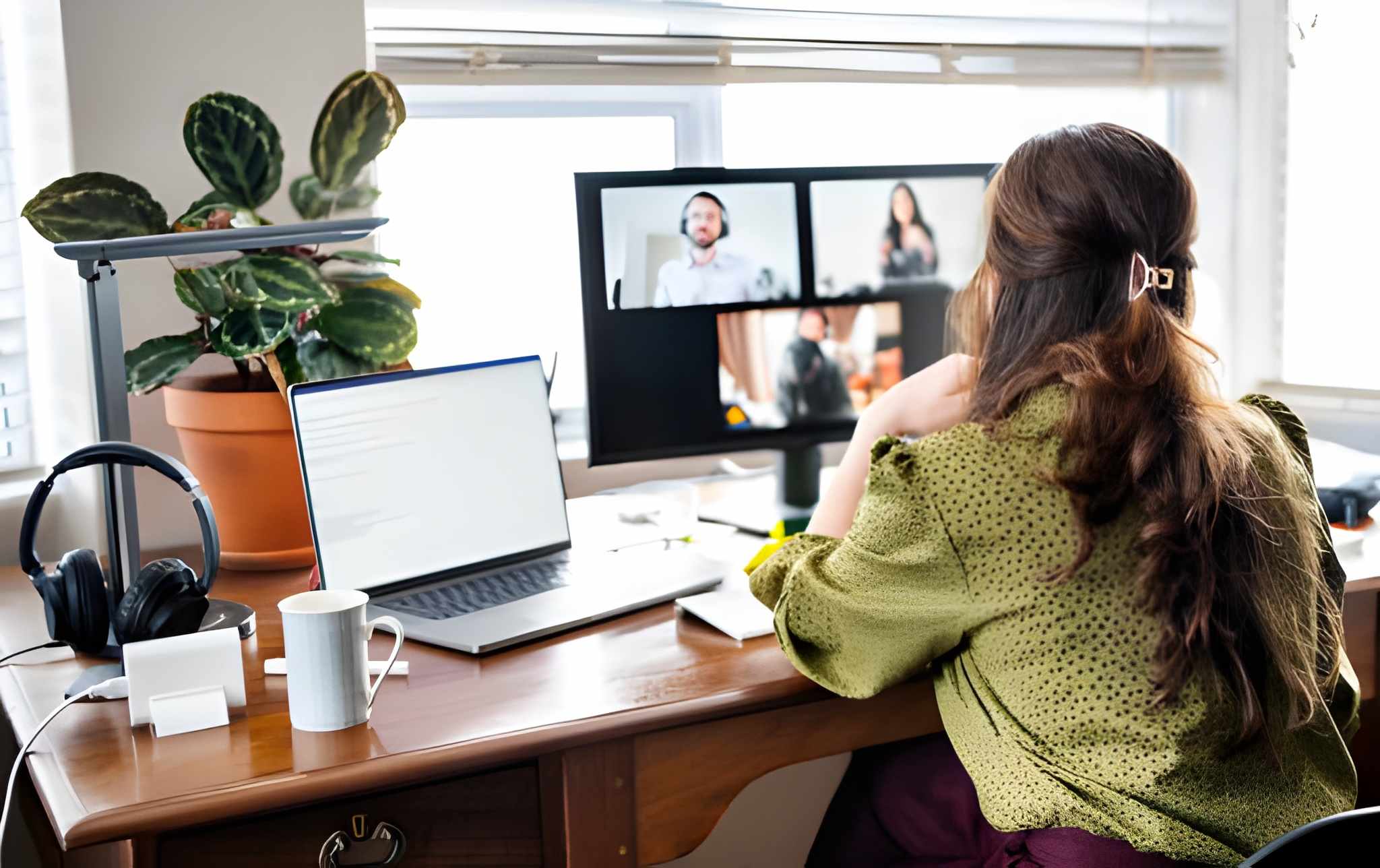
It may sound strange, but it’s true, and a harbinger of a new détente between workers and employers. Five years after the pandemic, denizens of the white collar sector have been slowly but definitively strong-armed into returning to the office. An increasing number of companies have tightened their flexible work policies, which have idled commercial real estate across the country, and driven a number of business districts to the brink of desolation.
Remote job postings — a staple of the post-pandemic “YOLO economy” — are becoming fewer and further between, a reflection of how the world has changed since working from home forced employers to rethink the nature of recruitment and retention. According to recent data by Resume Builder, nearly half of those surveyed are expecting to demand at least four days per week of in-office work next year, while at least 30% will demand full-time in-person attendance. Most of those employers polled by Resume Builder don’t even expect to incentivize working from the office.
Oh, the humanity!
Yet even as workers return kicking and screaming to the land of cubicles, there’s growing evidence that a number of employers are making a nominal, good-faith effort to make office work fun. Hence this week’s excellent cover story, which shows how Dallas-Fort Worth’s corporate giants like TIAA, Charles Schwab and Bank of America are going all-in on creating Silicon Valley-esque campuses ― complete with golf simulators and free-flowing kombucha ― all to avoid alienating the masses.
Recommended Articles


And the ethos extends beyond DFW. Arguably, there’s been no scourge of remote work more ferocious and unapologetic than JPMorgan Chase CEO Jamie Dimon. But even the world’s most influential banker is bowing to reality, using its new headquarters as a launching pad for a far more ambitious project: Turning an entire swath of Midtown Manhattan into a campus for the bank’s recalcitrant workforce.
I, for one, applaud the efforts of JPMorgan, TIAA, Schwab and others. For years, I’ve been one of the few people I know to openly admit how completely exasperated I’ve become with remote work, which comes with all sorts of downsides borne out by multiple anecdotes confirmed by hard data. Globe St. recently found that hybrid work was a barrier to new commercial real estate projects, and while boomtown Dallas was the third-most active market for starts, no other major market exceeded 500,000 square feet this year.
My perhaps unpopular hot-take: The end of remote work is perhaps more nigh than most people think — and that’s a good thing. While most won’t admit it, remote work erodes office cohesion, has significant spillover effects on small businesses that rely on foot traffic from office workers, and erodes employee connections to their bosses and colleagues.
©2025 The Dallas Morning News. Distributed by Tribune Content Agency, LLC.

Thanks for reading CPA Practice Advisor!
Subscribe Already registered? Log In
Need more information? Read the FAQs