



By Erik Bascome
Staten Island Advance, N.Y.
(TNS)
(Sept. 19) STATEN ISLAND, N.Y. — A new bill introduced by Staten Island’s congressional representative would expand the new overtime federal tax deduction to include all union workers.
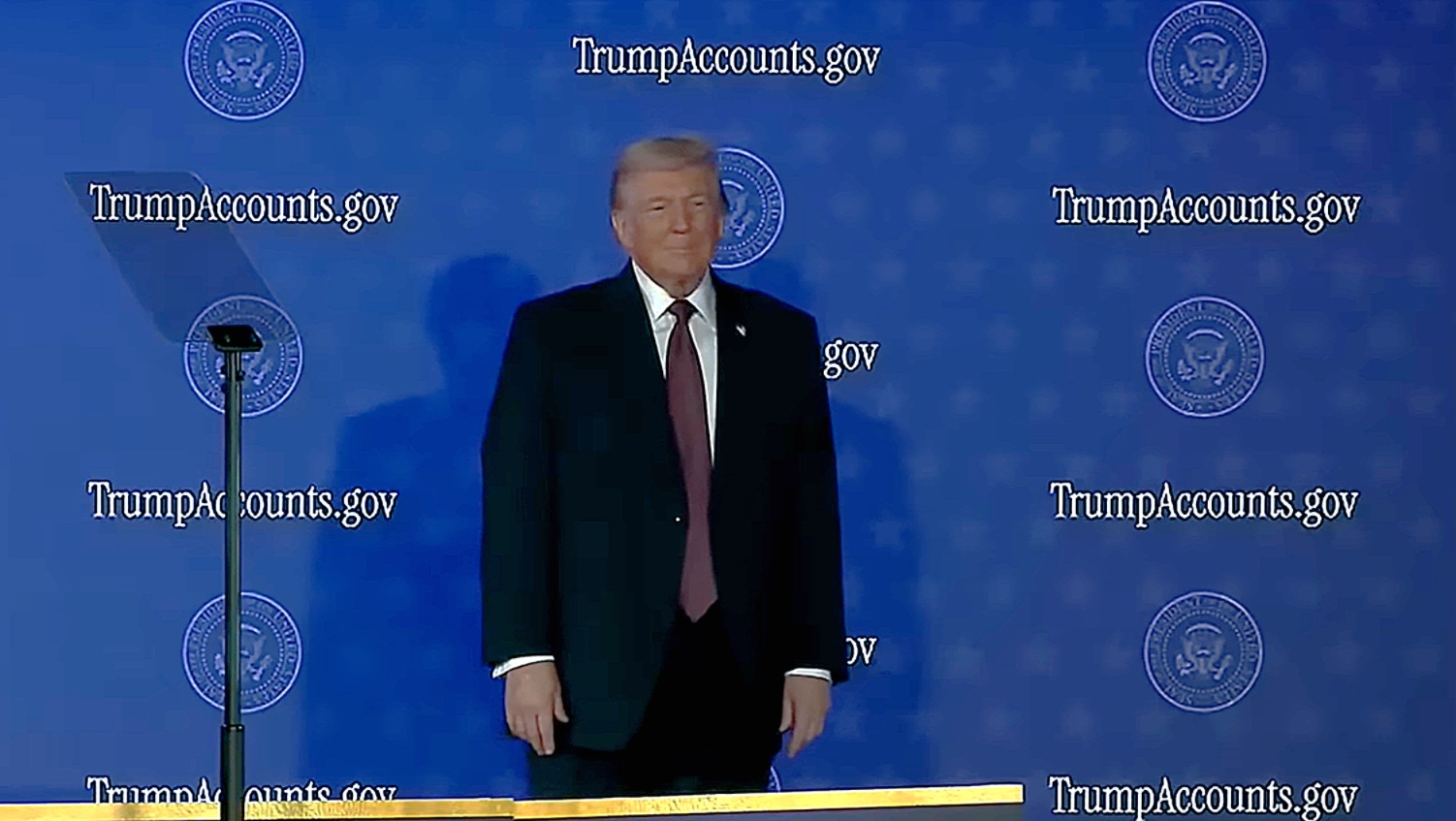
On Friday, Rep. Nicole Malliotakis announced that she has introduced bipartisan legislation to ensure that all union workers benefit from the “no tax on overtime” provision that was included in President Donald Trump’s One Big Beautiful Bill Act, which Republican lawmakers have rebranded as the “Working Families Tax Cut.”
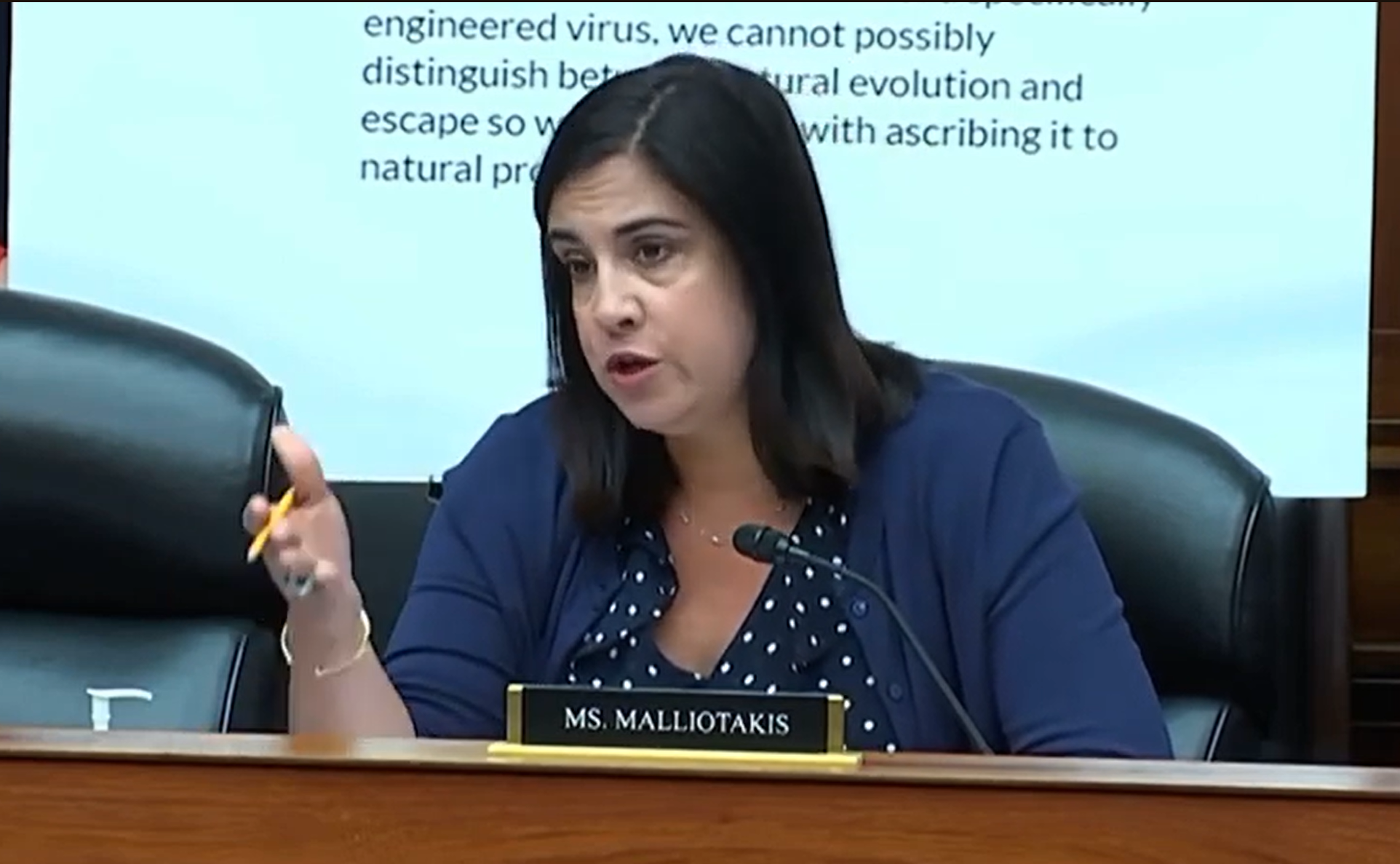
“I’m proud to join my colleagues in introducing this bipartisan legislation to expand no tax on overtime for all of America’s workers—including certain excluded first responders, municipal workers and union building trades who work and protect our communities,” said Rep. Nicole Malliotakis, a Republican who represents Staten Island and South Brooklyn.
“This bill honors the sacrifices of those who keep our neighborhoods safe and our economy strong, while ensuring hardworking Americans can keep more of what they earn. By lightening the tax burden on overtime pay, we’re rewarding the extra hours and hard work that so many families depend on,” she continued.
Recommended Articles



Republican lawmakers have been urged to now refer to the Big Beautiful Bill as the Working Families Tax Cut after polling showed that the legislation is viewed unfavorably by the public, which Republicans blamed on Democrats, according to a report from The Hill.
Regardless of what you call the legislation, it included the creation of an above-the-line deduction for eligible overtime earnings, meaning workers can now deduct overtime pay from their taxable income, exempting those earnings from federal income taxes.
However, there are some exceptions, limits and stipulations in place that make things a bit more complicated.
Single-filers can deduct up to $12,500 per year in eligible overtime earnings, with married couples filing jointly able to deduct up to $25,000.
Taxpayers can only deduct overtime earnings that are beyond their standard hourly wage, meaning those who earn 1.5 times their hourly rate when working overtime will only be able to deduct the additional 50%.
The deduction also begins to phase out for single-filers earning more than $150,000 and joint-filers earning more than $300,000, with the deduction decreasing by $100 for each additional $1,000 in earnings beyond the aforementioned thresholds.
While workers won’t have to pay federal income tax on eligible overtime earnings, the extra pay will still be subject to the federal payroll tax, as well as state and local income and payroll taxes.
The legislation defines qualified overtime compensation as “overtime compensation paid to an individual required under section 7 of the Fair Labor Standards Act of 1938 that is in excess of the regular rate.”
The Fair Labor Standards Act, with some exceptions, requires employers to pay eligible employees 1.5 times their standard rate if they work more than 40 hours in a given week.
The Yale Budget Lab noted that roughly 97.7 million workers were eligible for overtime protections under the Fair Labor Standards Act in 2023, but only 8% of hourly employees and 4% of salaried employees worked overtime on a regular basis.
The new deduction is temporary and will expire after 2028 barring any future legislation to extend it.
Photo caption: Rep. Nicole Malliotakis (R-NY)
_______
© 2025 Staten Island Advance, N.Y. Visit www.silive.com. Distributed by Tribune Content Agency LLC.

Thanks for reading CPA Practice Advisor!
Subscribe Already registered? Log In
Need more information? Read the FAQs
Tags: Congress, Income Taxes, Legislation, no tax on overtime, obbba, Taxes, union workers