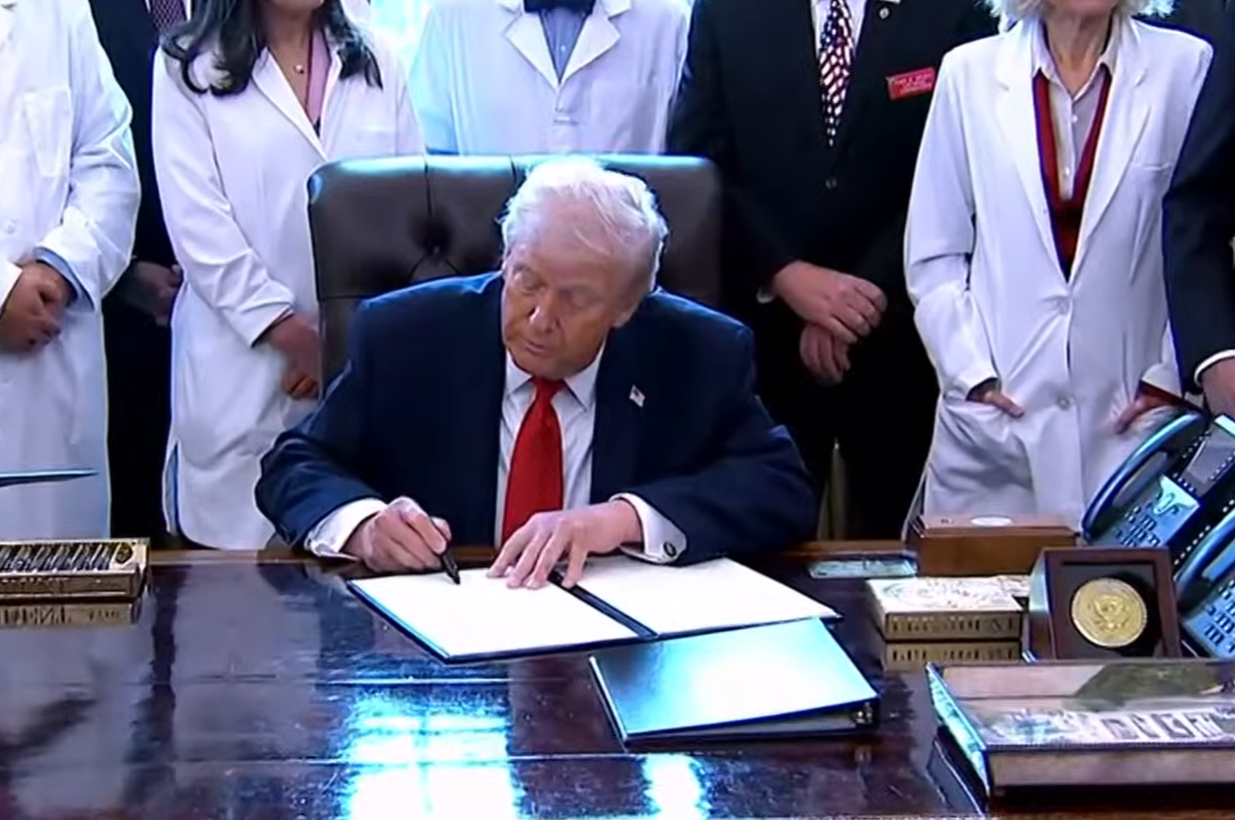




It can cost a pretty penny for parents to send their youngsters to college. The tax law provides some support, although it may amount to a veritable drop in the bucket. Now the new “One Big Beautiful Bill Act” (OBBBA) is enhancing several tax breaks relating to education in addition to increasing family tax credits for raising young children.
[This is part of a Special Series on the tax implications of the broad One Big Beautiful Bill Act, which was enacted in July 2025. It includes a wide range of changes to individual and corporate taxes, deductions, credits, forms and other topics, that affect tax filing starting this year into the future.]
Following is a brief overview of three key education-based provisions in the new law.
1. Section 529 plans: A Section 529 plan is a tax-favored plan that is often used to grow savings for college. Contributions within generous state-wide limits are made on behalf of designated beneficiaries. There is no tax on the earnings within the account prior to withdrawal, there is often a state deduction or credit for contributions, and there is no tax on distributions that are used to pay for qualified expenses.
Previously, the tax exemption for distributions was limited to expenses used for higher education. But recent legislation in 2018 approved use of up to $10,000 of funds paid for tuition to an elementary or second school, be it a public, private, or religious school.
Now the OBBBA expands the list of qualified education expenses to include the following expenses for elementary and secondary schools:
- Tuition;
- Curriculum and curricular materials;
- Books or instructional materials;
- Online education materials, certain fees for tutoring or educational classes outside of the home;
- Fees for specified tests;
- Fees for dual enrollment in an institute of higher education; and
- Certain educational therapies for students with disabilities at an elementary or secondary school.
In addition, the limit on expenses for elementary and secondary schools is doubled to $20,000, beginning in 2026. Finally, distributions made after July 4, 2025, for expenses relating to acquiring and maintaining professional credentials are exempted from tax.
2. Student loans: The OBBBA includes a wide array of provisions affecting repayment of student loan debt. Some of the changes have significant tax consequences.
Prior to the Tax Cuts and Jobs Act ((TCJA), student loan forgiveness resulted in taxable income. But recent legislation authorized a tax exemption for certain student loan debt forgiven from 2021 through 2025. The OBBBA extends this provision permanently but only for debt forgiven due to death or permanent disability.
Currently, up to $5,250 can be excluded from an employee’s taxable income if the student loan debt payment is made by their employer. This provision was scheduled to expire after 2025, but the OBBBA extends it permanently.
The exclusion of up to $5,250 of employer-paid student loan debt will be indexed for inflation, beginning in 2026.
3. Trump Savings Accounts. Although the details are still murky, the OBBBA authorizes creation of so-called Trump Savings Accounts that will operate like IRAs for educational and other expenses for children under the age of 18. An account may be established with $1,000 of “seed money” from the U.S. government for a child born between January 1, 2025 and December 31, 2028. Contributions of up to $5,000 annually are allowed, and the $1,000 seed money does not impact this contribution limit.
The funds are invested and grow tax-deferred until they are withdrawn. Once the child turns 18, the account is characterized as a traditional IRA. Certain distributions, including those made for college tuition, are exempt from the usual 10% tax penalty for pre-age 59 ½ withdrawals. Note that contributions from parents and other individuals are not tax deductible, nor are they taxable when withdrawn. Earnings in the account are taxable when withdrawn, as is the government-provided seed money. The IRS is expected to provide more guidance shortly.
This is only an overview of three key education-related changes in the new law. However, the OBBBA doesn’t revise the rules for the two long-standing higher education credits or revive the tuition-and-fees deduction. Assess the personal situation of your clients in the wake of the new law.

Thanks for reading CPA Practice Advisor!
Subscribe Already registered? Log In
Need more information? Read the FAQs