



The dilemma regarding Internet usage by employees during work hours has long been one of discussion by business owners, human resources professionals, IT professionals and staff. During the late 1990s, the concern was largely that of distrust over the new technology and countless dramatized stories about employers using their computers to access pornography, gambling and other inappropriate content.
By the middle of the first decade of the 21st Century (did we ever come up with a term for it, or are we going to call it the “Aughts” again?), with the widespread adoption of high-speed internet access at most businesses, this concern had narrowed more specifically on productivity issues, such as will employees waste all of their time on shopping, gaming and other useless websites? And, well, porn and gambling were still a lingering concern.
So now here we are in 2011, and the issue of internet usage in the workplace is still a topic of managerial discussion. Now, however, it is squarely focused on social media, particularly Facebook and Twitter. As with earlier years and concerns, some managers are looking at curtailing their employees’ use of the internet, hoping to prevent their staff from falling off of that proverbial productivity cliff.
Here are a few reasons I believe that blocking or limiting such sites may be counterproductive for your practice and many other businesses:
- Social media can be good for your business and your employee’s morale. This depends on the nature of the business, but for professional services firms like tax and accounting offices, it’s likely that every member (or almost every member) of your staff is a professional or paraprofessional. As such, they have specialties that can be touted on your firm’s Facebook page, or tweeted about. And since social media is something that some people “get” more inherently than others, allowing staff to post business-appropriate messages is a good way to find your firm’s social media “champion.”
- Blocking websites can foster a feeling of distrust. Most businesses, particularly accounting and financial services firms, hire people they believe they can trust. With client security such an important issue, this is imperative. And while there is inevitably the occasional employee who turns into something less-than-hoped-for, or worse, the perception that an employee is trusted by their boss is one of the most powerful loyalty-building traits in a manager.
- Blocking websites may not be effective anyway. Facebook users can now reply by email to messages, and savvy users may be able to find a way around your blocking strategies.
- Everybody’s got a smartphone these days. According to an April report by Millennial Media (www.millennialmedia.com/2011/05), the top 20 selling mobile phones are now smartphones. So with full internet connectivity and access to social media and other apps, disabling use on the desktop may not have much of an effect anyways. And for younger users (under 25), mobile devices are often the preferred method of social media interaction.
- The bottom line. You are running a business, of course, not a feel-good-about-your-manager morale or self-worth-building nonprofit, so the bottom line is the bottom line. Will blocking social media make your employees more productive? Will allowing them access to it make them more productive?
As with studies that looked into other forms of internet usage in the past 15 years, the deciding factor is usually with the individual staff members and their tendencies to addictive behavior. And as in years past, many business management gurus recommend setting semi-formal, yet flexible, internet policies for staff, including reminding them to limit non-business related internet and social media activities. But the occasional Facebook post, tweet or text is no more productivity draining than grabbing a morning coffee or chatting with fellow employees for a few minutes.
Not to mention, smartphones and the increase in remote access, is likely resulting in your staff checking on work email and other issues during their personal time. It’s a minor trade-off that results in a little of their private life reaching into their workday, and vice versa. As the manager, owner or partner, you are the one who sets productivity goals and expectations for your staff, so you are the one who will know if someone is lagging, for whatever reason. If they are performing as expected or better, then they are successfully balancing this trade-off.
For more social media tips for your practice, see:
6 Pointers for Your Firms Social Media Strategy www.cpapracticeadvisor.com/10243408
Leveraging Social Media to Build Your Business www.cpapracticeadvisor.com/10268415
Boxout
Security Tip: Be Skeptical of Shortened URLs
They are everywhere, especially on social networking sites, blog posts and other online news sources. But what you can’t see can hurt you and your computer. There are many versions of web-address shortening tools out there (TinyURL, Bit.ly, Ow.ly, etc.), and they are definitely useful resources, since some websites have monstrously long URLs. For the most part, the tools are offered by legitimate companies. Some are even built into apps like TweetDeck and HootSuite.
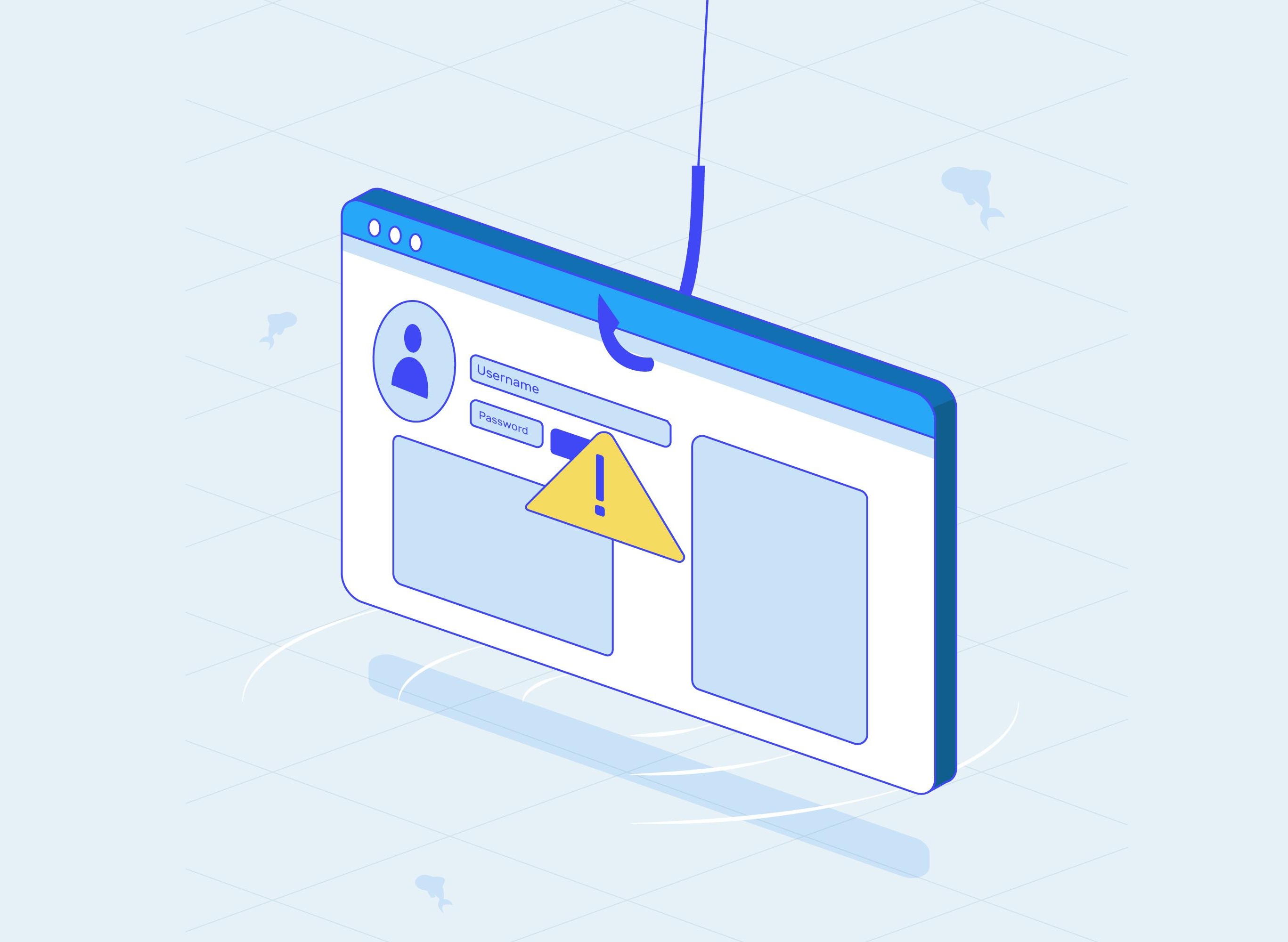
The potential problem is this: There’s no way of really knowing where that link is going to take you. While the full browser version of Facebook at least offers the headline from the original article and the real source, it’s not foolproof, and tweets offer pretty much zero ability to scrutinize where the link will take you. It could be to the site mentioned in the post, or it could be to a spam site or worse. I do occasionally include shortened URLs, but my policy on clicking on them is entirely based on whether I actually know the person who posted it. That’s not foolproof either, since emails and Facebook posts often get scammed, but it’s better than nothing.
For your information, you can shorten the URLs for many websites, including ours, by removing all but the main site name and an ID number at the end of the address. For instance, the long web address for this article can be shortened to www.cpapracticeadvisor.com/10278893. It’s not as short as a TinyURL, but it at least keeps the name of the website obvious to potential clickers.
Sign in to get access to this free resource, and all of our whitepapers and reports.

Download this content today!
Register Now Already registered? Click here to Log In