
Home
Featured….
IRS Extends RMD Tax Relief for Inherited IRAs
AICPA: Clarification Is Needed for Form 990 Series
Marcum Launches AskMarcum.ai
Attracting and Retaining Clients Starts with Tech Expertise
Contributors….

Becky Livingston

Garrett Wagner

Richard D. Alaniz

Randy Johnston
Webinars and CPE….
Webinar: Effortless Tax Prep and Workflow: Say Goodbye to Client Frustrations
CPE Webcast Apr. 2, 2024: The Future of Media & Entertainment: Leveraging Data and Finance
Events….

Accounting
Xerocon 2024 Nashville: Aug. 14-15, 2024
The event will be hosted at the Music City Center, allowing Xero’s community of accountants and bookkeepers from across the U.S., Canada and beyond the chance to connect, as well as options for earning CPE credit.

Accounting
RightNOW Conference 2024
Top influencer keynotes, transformative tech insights and AI innovators converge to elevate the accounting profession at RightNOW 2024. May 14-16, 2024 | Austin, TX.


IRS Touts Strong, More Efficient 2024 Tax Season
It’s Tax Day, so there’s no better time for the IRS to pat itself on the back for a job well done as filing season ends for most Americans.

Cast Your Vote for 2024 Readers’ Choice Awards!
The CPA Practice Advisor Readers’ Choice Awards give readers the opportunity to spotlight the technologies they most rely on and trust to manage their firms.

Technology
75% of Mid-Market Companies to Invest in AI Over Next Five Years, According to Wipfli Survey
The survey sheds light on the evolving landscape of technology investments and workforce dynamics among these businesses, providing valuable insights into their strategies and challenges.

Taxes
IRS Extends RMD Tax Relief for Inherited IRAs
This relief was provided to certain RMDs in 2021, 2022, and 2023, and is being extended in Notice 2024-35 to 2024.
Taxes
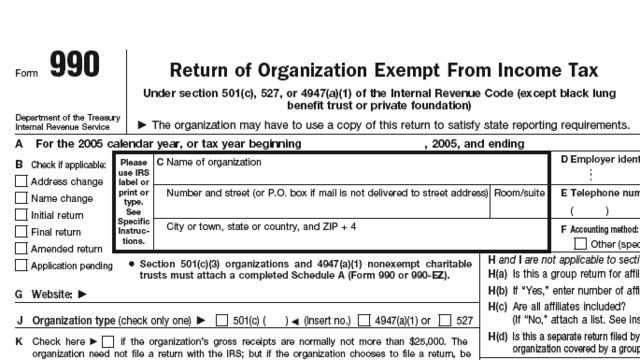
AICPA: Clarification Is Needed for Form 990 Series
The AICPA’s comments also include a matrix for the Form 990 series which focuses on specific sections and the recommendations for those sections.

Marcum Launches AskMarcum.ai
AskMarcum.ai was initially developed for internal use by Marcum Labs, a technology incubator within Marcum LLP, the 13th largest accounting firm in the U.S.

CAS
Attracting and Retaining Clients Starts with Tech Expertise
SMBs rely on their accounting firms for a variety of needs, but one particular area they feel strongly about is having an understanding of the technology they use.

Technology
Thomson Reuters Plans AI Functions for All Professional Users
CoCounsel will unify the entire customer experience and give customers a new way to access Thomson Reuters product capabilities through a single GenAI assistant with applications across Legal, Tax, Risk & Fraud, and Media.

Taxes
Canada Set to Start Taxing Tech Giants This Year Despite U.S. Complaints
The digital services tax currently before Canada’s Parliament would impact U.S.-based companies like Alphabet and Meta Platforms.

Biden Pitches Tax Plan in Pennsylvania While Trump Stuck in Court
Donald Trump’s recent Truth Social videos and Joe Biden’s message in his hometown of Scranton, PA, showed their vast divide on taxes.
Accounting
AICPA Gives FinCEN Recommendations on RIA Regs
The AICPA has asked FinCEN to reassess the proposed regulations to ensure that there is an appropriate balance between regulatory objectives and practical realities faced by RIAs.

Taxes
Point-of-Sale EV Tax Rebates Are a Hit, Treasury Department Says
Treasury says the federal government has reimbursed more than $580 million to the dealers who offered the tax credit.

Taxes
IRS Updates FAQs on Electric Vehicle Tax Credits
The revised FAQs pertain to the new, previously owned, and qualified commercial clean vehicle credits.

Wolters Kluwer Adds Two Senior Execs
Wolters Kluwer, a provider of information, software, and services for professionals, has announced Atul Dubey as General Manager of its Finance, Risk and Regulatory Reporting (FRR) business

Small Business
A Double Edge to International Supply Chain
The U.S. middle market continues to increase revenue through purchasing and selling products and goods in the international supply chains that connect all corners of the world.
Auditing
AuditFile Introduces Compliance Checklist Tool for 501(c)(3) Organizations
The tool is designed to simplify compliance management for 501(c)(3) organizations, offering an affordable and accessible solution for maintaining regulatory adherence.

Taxes
IRS Says Work-Life Referral Services Are a De Minimis Fringe Benefit
The use of such referral and information services would be excluded from employees’ taxable gross income, according to the IRS.

Small Business
March Saw Increase in Job Growth and Retail Sales
The Census Bureau said overall retail sales in March were up 0.7% seasonally adjusted from February and up 4% unadjusted year over year. That compared with increases of 0.9% month over month and 2.1% year over year in February.

Taxes
Bidens Paid 23.7% Effective Federal Tax Rate in 2023
President Joe Biden and first lady Jill Biden paid $146,629 in federal income taxes on a combined $619,976 in AGI last year.

Taxes
Retirees Are Facing Sizable Tax Bills Due to Fraud
A new Senate committee report sheds light on how older adult scam victims end up with big tax bills and lost retirement savings.

Taxes
Tax Refunds Dropped by 3.3 Percent in 2024
Fewer U.S. taxpayers have received a refund this year in the run-up to tax day compared to 2023, signaling some consumer spending may be disrupted.

Taxes
Florida Lawyer Gets 8 Years in Prison for Fraudulent Charity Tax Claims
A Florida attorney was sentenced today to eight years in prison for conspiring to defraud the United States and tax evasion.

Payroll
Why Gen Zers Are the Least-Happiest Employees at Work
Gen Zers have a strong purpose-driven mindset but don’t feel satisfied with their sense of purpose at work, a report found.

Firm Management
How Firms Can Create Success in the Real World of the Remote Work
To be successful as an organization navigating the advantages and challenges of this new way of working, it is essential to have the right team and technologies.
Avalara Appoints Ross Tennenbaum as President
Tennenbaum has been at Avalara for five years and has served as the company’s Chief Financial Officer since 2020.

Accounting
Deloitte’s Time as the Most Prestigious Accounting Firm in the U.S. Has Run Out
After Deloitte ended PwC’s 14-year streak as most prestigious firm in Vault’s 2024 ranking, PwC took that title back for 2025.

Firm Management
Accounting Firms Continue to Prioritize Work-Life Balance
The accounting field is still in the midst of a talent shortage that’s causing some firms to turn down clients during busy times.

Taxes
Corvee Adds Depreciation and Amortization Functions to Instead
With Instead and Instead Pro, users can utilize depreciation to find and compare tax savings for assets categorized as residential, nonresidential, technology and …

Technology
Most Accounting Firms Are Shying Away From Using AI—For Now, Survey Finds
While 35% of firms surveyed by Rightworks have no plans to use AI, 38% not using AI technology now might consider it down the road.
![ficpa-logo__large[1]](https://www.cpapracticeadvisor.com/wp-content/uploads/sites/2/2022/01/ficpa_logo__large_1_.61d751f92fa8d.png)
Accounting Standards
Florida Creates New Status for Retired CPAs in the State
The legislation allows licensed CPAs who are at least 65 years of age to apply to the Florida Board of Accountancy (BOA) to place their license into retired status.

Accounting
PwC Locks Down Top Spot in Vault’s Best Accounting Firms Ranking for 2025
PwC has been ranked the No. 1 best accounting firm to work for by Vault for the last 12 years.

Taxes
7 Data-Driven Trends Impacting Tax Operations
Despite chronic and pandemic-specific challenges however, the IRS is making strides in returning to business as usual.

Small Business
CFO Optimism Hits 3-Year High
A new survey from Grant Thornton LLP shows that chief financial officers are more optimistic about the U.S. economy than they’ve been in nearly three years.
Taxes
IRS Touts Strong, More Efficient 2024 Tax Season
It’s Tax Day, so there’s no better time for the IRS to pat itself on the back for a job well done as filing season ends for most Americans.