
Technology
CCH survey shows cloud, mobile technologies are driving change in tax & accounting
Firms Look to Emerging Technologies to Enhance Client Service; Drive Productivity, Profitability.
Nov. 05, 2012
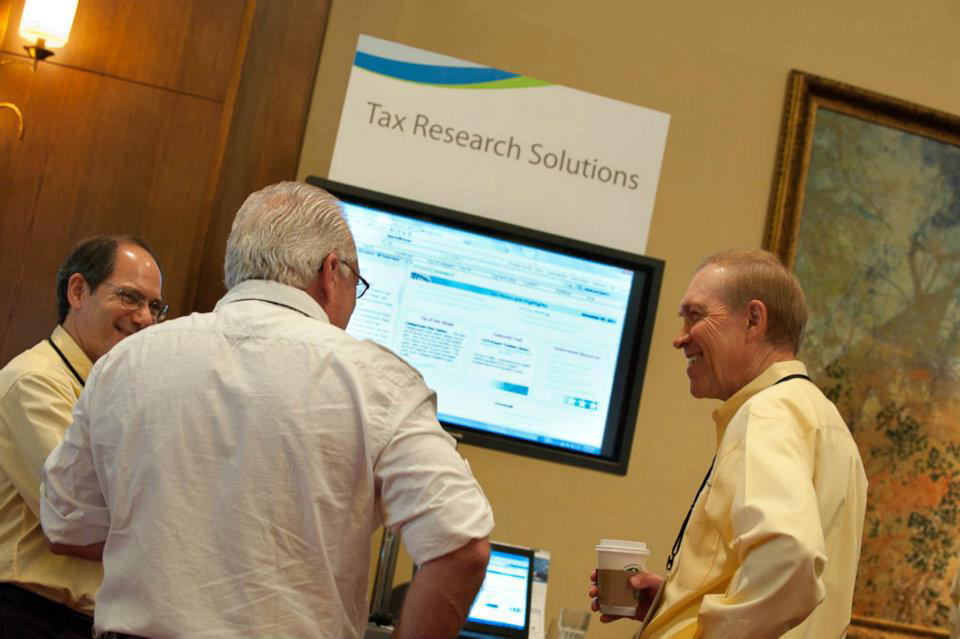
Cloud and mobile top the list of emerging technologies transforming the tax and accounting profession, according to the 2012 CCH Technology Survey, an independent nationwide survey of more than 400 accounting professionals, conducted by ORC International for CCH, a Wolters Kluwer business.
Wolters Kluwer Tax & Accounting CEO Kevin Robert discussed the findings in a keynote address to more than 1,200 professionals at the CCH Connections User Conference in San Diego.
“We’re now at a point where all the benefits that have been talked about from emerging technologies are here – firms using these technologies today are seeing tremendous benefits in productivity and the value they can deliver to clients,” said Robert.
According to professionals surveyed, improved client service is the driving force behind their adoption of these emerging technologies, along with improved productivity and profitability. Firms also report that they still face challenges in leveraging technology effectively, despite its importance to their success. Specifically, survey findings include:
- The majority of firms (64 percent) said that when making decisions to invest in new technology, their top consideration is if it will enhance client service;
- Improved client service is also the top benefit firms say they realize from supporting a mobile workforce, and leveraging social media;
- In addition to cloud and mobile, social media and Big Data are emerging technologies the majority of firms identified as having a future impact on the profession; and
- Two-thirds of firms say leveraging technology is important to their success; yet 87 percent report they can do it more effectively; and fewer than 15 percent were very confident in their ability to understand and manage emerging technologies.
To download the survey white paper, CCH Technology Survey – Technology in Accounting: Then, Now and Next, visit CCHGroup.com/TechnologySurvey. Video clips of Robert’s address are online here.
“Firms need to continuously monitor to ensure they are keeping up with technology changes and investing in the right technology, at the right time, to help deliver the best results,” Robert said.
Emerging Technology Adoption Rates Vary, But Benefits Clear
Across industries, cloud, mobile, Big Data and social media are having a profound impact on businesses.
“Each of these technologies is powerful, but brought together they will have a game-changing impact on the profession,” Robert said. “I believe we’re at a tipping point, when these technologies will deliver new capabilities to firms to get closer to their clients and significantly enhance client service. In the past, firms focused on the improvements that technology could drive within the firm. That’s changed. Firms are now looking at technology in a brand new way – specifically how it increases their relevance to their clients, and strengthens those relationships. “
Key findings from the CCH Technology Survey related to emerging technologies include:
Cloud Solutions
Adoption of cloud-based solutions varies by firm size, with 84 percent of large firms (50 or more employees); 67 percent of mid-size firms (10-49 employees); and 46 percent of small firms (1-9 employees) now using or planning to use cloud solutions in the next three years.
The top benefits of working in the cloud:
- The ability to work anytime, anywhere;
- The ability to serve clients in any location;
- Improved security and backup procedures; and
- Improved collaboration with clients.
Other top benefits include lower costs and greater value to clients.
“Having integrated solutions that are available anytime and can communicate with one another provides professionals with the ability to significantly improve their productivity and the value they can provide to clients,” Robert said. “This is why CCH’s Open Integration Platform is gaining the attention it has: firms want to be able to leverage the cloud to bring together the best applications from across CCH’s offerings, other providers and the firm’s own applications – and our platform provides that open and integrated flexibility.”
Mobile
Accounting professionals are increasingly mobile, with 81 percent reporting they spend time working away from the office. The average number of hours a week professionals work remotely ranges from 5.8 hours for those in mid-size firms to 8.6 hours for those at large firms.
Additionally, firms of all sizes expect an increasing number of their staff will spend more time working remotely. Among key benefits firms report from enabling mobile workers are:
- Improved client service;
- Improved productivity; and
- Work/life benefits.
“Mobility is allowing firms to cast a much wider net in attracting clients and firm talent, and it’s allowing for anytime access and supporting the way many CPAs and their clients entering the market now want to work,” Robert said. “These professionals expect to be able to use platforms such as CCH Mobile to quickly access tax research, software, journals as well as the latest tax industry news.
Social Media
Professional use of social media remains in its infancy across parts of the accounting profession, but firms report they will be quickly embracing social media to strengthen relationships with clients and peers. According to the CCH Technology Survey, 90 percent of large firms have or will implement social media within three years, compared to 66 percent of mid-size firms and 39 percent of small firms.
Today, the average number of hours professionals use social media professionally also varies, with accountants at large firms spending 5.6 hours per week using social media compared to 1.8 hours for accountants at small firms. LinkedIn and Facebook were the leading social media sites accountants said they used professionally.
The greatest benefits professionals say the firm overall realizes from social media include:
- Improved client service;
- Increased profitability; and
- Improved support for mobile workforce.
Overall, large firms are more likely to leverage web and social media compared to small firms. But firms are still under-leveraging the collaborative power of social media, with only about one-third of firms maintaining involvement in professional online communities.
More than one-half of professionals (58 percent) reported they were concerned about social media security and privacy.
“It’s important for firms to set policies, adopt best practices and train staff on how to effectively leverage social media for building professional connections,” Robert said. “Social media can play a powerful role in everything from getting closer to clients, improving your marketing, engaging with peers for expanding knowledge and strengthening relationships; it also is an important resource as more firms begin to explore Big Data.”
Big Data
Two in three professionals (67 percent) believe Big Data will have an impact on the accounting industry in the future. Professionals surveyed also identified analytical and problem-solving skills among the top skills CPAs need to have in the future.
In fact, Big Data has the potential for significantly changing tax and accounting professionals’ work. For example, bots could be used to scour the Internet for a client’s financial transactions with that information then pulled into the tax return, further automating tax preparation. At the same time, many companies are challenged by a shortage of data analytic talent.
“The role of data scientist is a natural fit for accountants and plays right into one of their strongest skills,” said Robert. “It also is a way accountants will add even greater value to clients in the future.”
Technology Innovation: Crucial to Future Success
Today, most firms acknowledge that they take a wait-and-see approach to technology. However, many professionals also realize that their firm will need to move to a first-to-adopt approach to be successful in the future. For example:
- 41 percent of large firms today identify themselves as first to adopt; 53 percent say they will need to take this approach in the future;
- 23 percent of mid-size firms today identify themselves as first to adopt, 46 percent say they will need to take this approach in the future; and
- 6 percent of small firms today identify themselves as first to adopt, but 21 percent say they will need to take this approach in the future.
“Firms have a tremendous opportunity to use emerging technologies to their advantage,” said Robert. “For example, firms that adopt an open architecture and base their infrastructure on the cloud may be able to leapfrog their current positions and be positioned for future technology gains.”